
5 Anime Series Where the Villain Trains the Hero

A hero's journey often involves learning from experienced mentors who help them unlock their potential. However, some anime take a more unusual approach by placing the protagonist under the guidance of someone they are supposed to oppose. These villainous mentors may have selfish motives, hidden agendas or complicated feelings towards their students. In certain stories, their training helps create powerful warriors, while in others, it leads to emotional conflict and unexpected character development. From strict combat lessons to manipulative guidance, these five anime explore what happens when heroes learn from their enemies.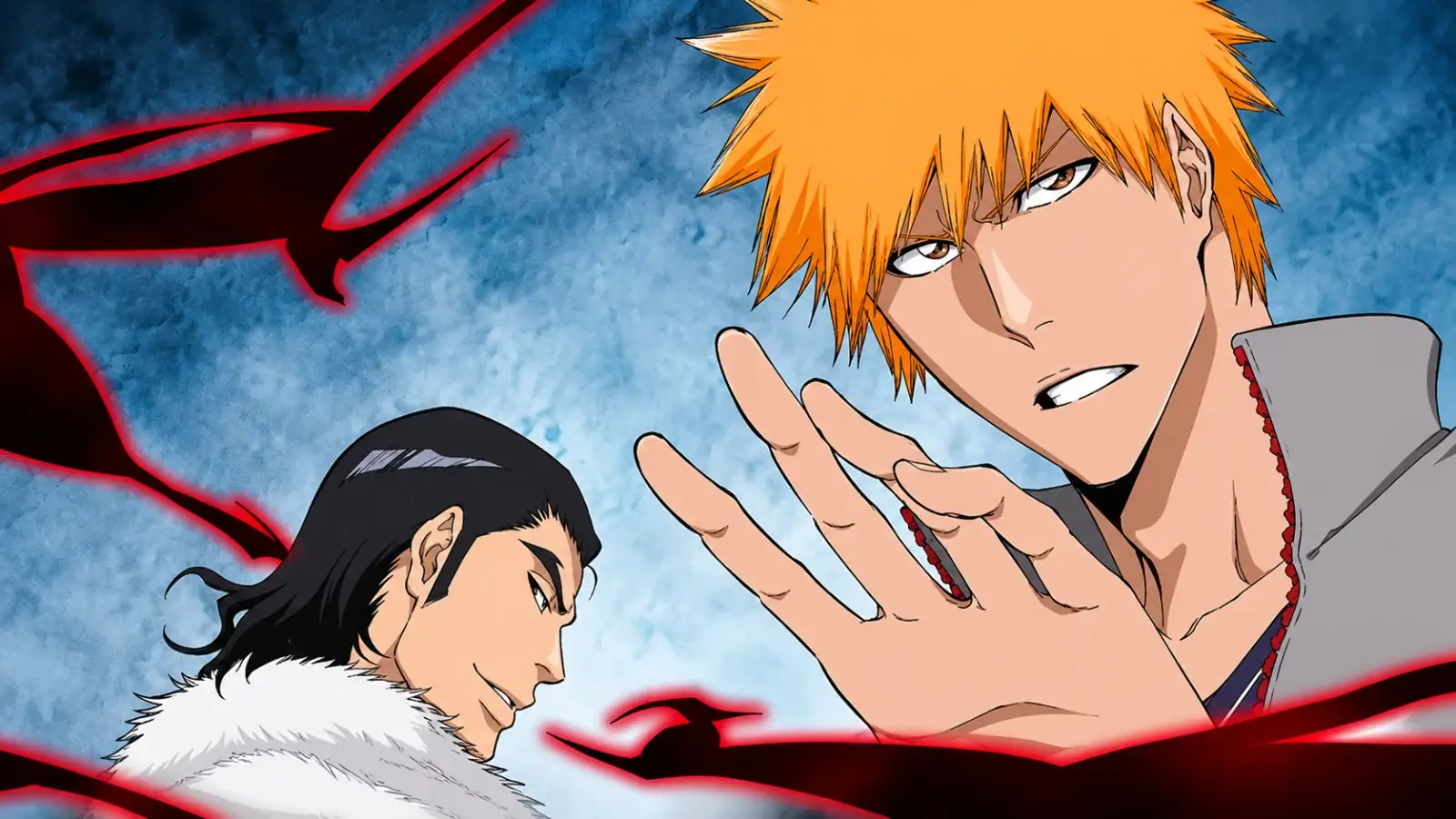
After Goku sacrifices himself to defeat Raditz, Piccolo takes Gohan into the wilderness to prepare him for the coming threat of Vegeta and Nappa. His training methods are extremely harsh, especially considering that Gohan is only four years old. He initially leaves the child alone in the wilderness, forcing him to develop survival skills before personally teaching him how to fight.
The experience changes both characters. Gohan becomes stronger and more confident, while Piccolo gradually develops an attachment to his young student. His tough exterior begins to hide genuine concern for the boy.
This relationship becomes an important turning point in Piccolo's character development, setting the foundation for one of the series' most memorable redemption arcs.
Crona grows up facing emotional abuse and frightening experiments. Medusa repeatedly pushes them towards becoming stronger, showing little concern for their feelings or psychological well-being.
However, Crona's relationship with Maka Albarn introduces a different perspective. Through their friendship, Crona begins experiencing kindness and emotional support that Medusa never provided.
Maka's influence helps Crona question the lessons they received and gradually develop an independent sense of identity. Although Medusa succeeds in creating a formidable fighter, she cannot completely destroy Crona's humanity.
The story highlights the lasting consequences of manipulative mentorship and shows that becoming powerful does not necessarily mean becoming emotionally stronger.
He gives humanity an opportunity to stop him by allowing the students to attempt his assassination. Surprisingly, he also agrees to teach them while they prepare for the mission.
Koro-sensei does not simply avoid their attacks. Whenever a student fails, he explains what went wrong and offers advice on how to improve their technique. His lessons cover observation, timing, strategy and understanding an opponent's weaknesses.
As the students continue learning, their assassination attempts become increasingly sophisticated. They also develop skills that help them beyond the classroom.
Although Koro-sensei initially appears to be their greatest enemy, his role becomes much more complicated as the story progresses. His teaching methods demonstrate that even an apparent threat can become a meaningful mentor.
Kugo Ginjo approaches him during the Lost Agent Arc and introduces him to Xcution, a group whose members possess Fullbring abilities. These powers allow them to manipulate the souls contained within physical objects.
Under Ginjo's guidance, Ichigo begins developing his own Fullbring through his Substitute Soul Reaper badge. Other members of Xcution also help him understand and improve his abilities.
Ginjo eventually becomes directly involved in Ichigo's training, helping him gain greater control over his new power. However, his apparent support hides a selfish objective. He intends to use Ichigo's developing abilities as a way to steal his power.
This makes their relationship particularly interesting because Ichigo's mentor is secretly preparing to betray him.
Consumed by revenge, Thorfinn repeatedly challenges Askeladd to duels. However, he lacks the experience and fighting ability needed to defeat the veteran warrior.
Askeladd allows him to undertake dangerous missions in exchange for opportunities to fight. Although he is not a traditional mentor, their repeated encounters gradually shape Thorfinn's combat skills.
Askeladd also offers advice that helps the young warrior understand his weaknesses and face physically stronger opponents. Their relationship becomes increasingly complicated as Thorfinn spends years learning from the very person responsible for destroying his childhood.
The dynamic gives the first season much of its emotional depth. Askeladd becomes a twisted father figure to Thorfinn, even though their connection is built on hatred, manipulation and revenge.
Meanwhile, Koro-sensei turns an assassination mission into an extraordinary learning experience, Ginjo hides betrayal behind his guidance, and Askeladd shapes Thorfinn through years of conflict.
These relationships add emotional complexity to the traditional mentor-student formula. They also show that a hero's development does not always come from someone they admire. Sometimes, the most important lessons come from an enemy.
1. Dragon Ball Z Turned Piccolo Into Gohan's Unexpected Mentor
When Dragon Ball Z begins, Piccolo is one of Goku's greatest enemies. His rivalry with Goku makes him an unlikely person to trust with the responsibility of protecting young Gohan. However, the arrival of the Saiyans forces him to reconsider his priorities.After Goku sacrifices himself to defeat Raditz, Piccolo takes Gohan into the wilderness to prepare him for the coming threat of Vegeta and Nappa. His training methods are extremely harsh, especially considering that Gohan is only four years old. He initially leaves the child alone in the wilderness, forcing him to develop survival skills before personally teaching him how to fight.
The experience changes both characters. Gohan becomes stronger and more confident, while Piccolo gradually develops an attachment to his young student. His tough exterior begins to hide genuine concern for the boy.
This relationship becomes an important turning point in Piccolo's character development, setting the foundation for one of the series' most memorable redemption arcs.
2. Soul Eater Shows How a Villain Can Damage a Student
In Soul Eater, Medusa Gorgon represents a darker version of the villain-as-mentor relationship. Rather than helping her child develop through encouragement, the powerful witch treats Crona as an experiment designed to become a dangerous weapon.Crona grows up facing emotional abuse and frightening experiments. Medusa repeatedly pushes them towards becoming stronger, showing little concern for their feelings or psychological well-being.
However, Crona's relationship with Maka Albarn introduces a different perspective. Through their friendship, Crona begins experiencing kindness and emotional support that Medusa never provided.
Maka's influence helps Crona question the lessons they received and gradually develop an independent sense of identity. Although Medusa succeeds in creating a formidable fighter, she cannot completely destroy Crona's humanity.
The story highlights the lasting consequences of manipulative mentorship and shows that becoming powerful does not necessarily mean becoming emotionally stronger.
3. Assassination Classroom Makes the Target an Excellent Teacher
Assassination Classroom presents one of the most unusual teacher-student relationships in anime. Koro-sensei enters Class 3-E claiming responsibility for destroying most of the Moon and threatening to do the same to Earth.He gives humanity an opportunity to stop him by allowing the students to attempt his assassination. Surprisingly, he also agrees to teach them while they prepare for the mission.
Koro-sensei does not simply avoid their attacks. Whenever a student fails, he explains what went wrong and offers advice on how to improve their technique. His lessons cover observation, timing, strategy and understanding an opponent's weaknesses.
As the students continue learning, their assassination attempts become increasingly sophisticated. They also develop skills that help them beyond the classroom.
Although Koro-sensei initially appears to be their greatest enemy, his role becomes much more complicated as the story progresses. His teaching methods demonstrate that even an apparent threat can become a meaningful mentor.
4. Bleach Uses Ginjo to Help Ichigo Unlock Fullbring
In Bleach, Ichigo Kurosaki struggles after losing his Soul Reaper powers. Having spent so much time protecting his friends and fighting dangerous enemies, he finds it difficult to return to an ordinary life without his abilities.Kugo Ginjo approaches him during the Lost Agent Arc and introduces him to Xcution, a group whose members possess Fullbring abilities. These powers allow them to manipulate the souls contained within physical objects.
Under Ginjo's guidance, Ichigo begins developing his own Fullbring through his Substitute Soul Reaper badge. Other members of Xcution also help him understand and improve his abilities.
Ginjo eventually becomes directly involved in Ichigo's training, helping him gain greater control over his new power. However, his apparent support hides a selfish objective. He intends to use Ichigo's developing abilities as a way to steal his power.
You may also like
- Javed Akhtar admitted he was attracted to Shabana Azmi 'much before he told it to himself'
- Viineet Kumar Siingh 'Every moment with you is a blessing' on another year of marital bliss
- Priyanka Chopra: From Miss World to Global Superstar
- Ariana Grande talks about being in 'survival mode', reveals what helped her heal
- Adhavan Muthukumar Steps into Songwriting, Continuing His Late Fathers Legacy
This makes their relationship particularly interesting because Ichigo's mentor is secretly preparing to betray him.
5. Vinland Saga Turns Askeladd Into Thorfinn's Twisted Mentor
Vinland Saga explores one of anime's most complicated relationships between a young warrior and the man he wants to kill. Thorfinn joins Askeladd's mercenary group after the latter kills his father, Thors.Consumed by revenge, Thorfinn repeatedly challenges Askeladd to duels. However, he lacks the experience and fighting ability needed to defeat the veteran warrior.
Askeladd allows him to undertake dangerous missions in exchange for opportunities to fight. Although he is not a traditional mentor, their repeated encounters gradually shape Thorfinn's combat skills.
Askeladd also offers advice that helps the young warrior understand his weaknesses and face physically stronger opponents. Their relationship becomes increasingly complicated as Thorfinn spends years learning from the very person responsible for destroying his childhood.
The dynamic gives the first season much of its emotional depth. Askeladd becomes a twisted father figure to Thorfinn, even though their connection is built on hatred, manipulation and revenge.
Why Villainous Mentors Make Anime Stories More Interesting
Anime becomes particularly compelling when the person teaching the hero is also someone they should fear. Piccolo's relationship with Gohan leads to personal redemption, while Medusa's treatment of Crona reveals the destructive side of controlling mentorship.Meanwhile, Koro-sensei turns an assassination mission into an extraordinary learning experience, Ginjo hides betrayal behind his guidance, and Askeladd shapes Thorfinn through years of conflict.
These relationships add emotional complexity to the traditional mentor-student formula. They also show that a hero's development does not always come from someone they admire. Sometimes, the most important lessons come from an enemy.






Loving Newspoint? Download the app now
