
10 Anime That Are Even Better the Second Time Around

An anime's rewatch value is not simply about having impressive animation or a memorable plot. The best series bring together storytelling, characters, atmosphere and emotion in a way that stays with viewers long after the final episode.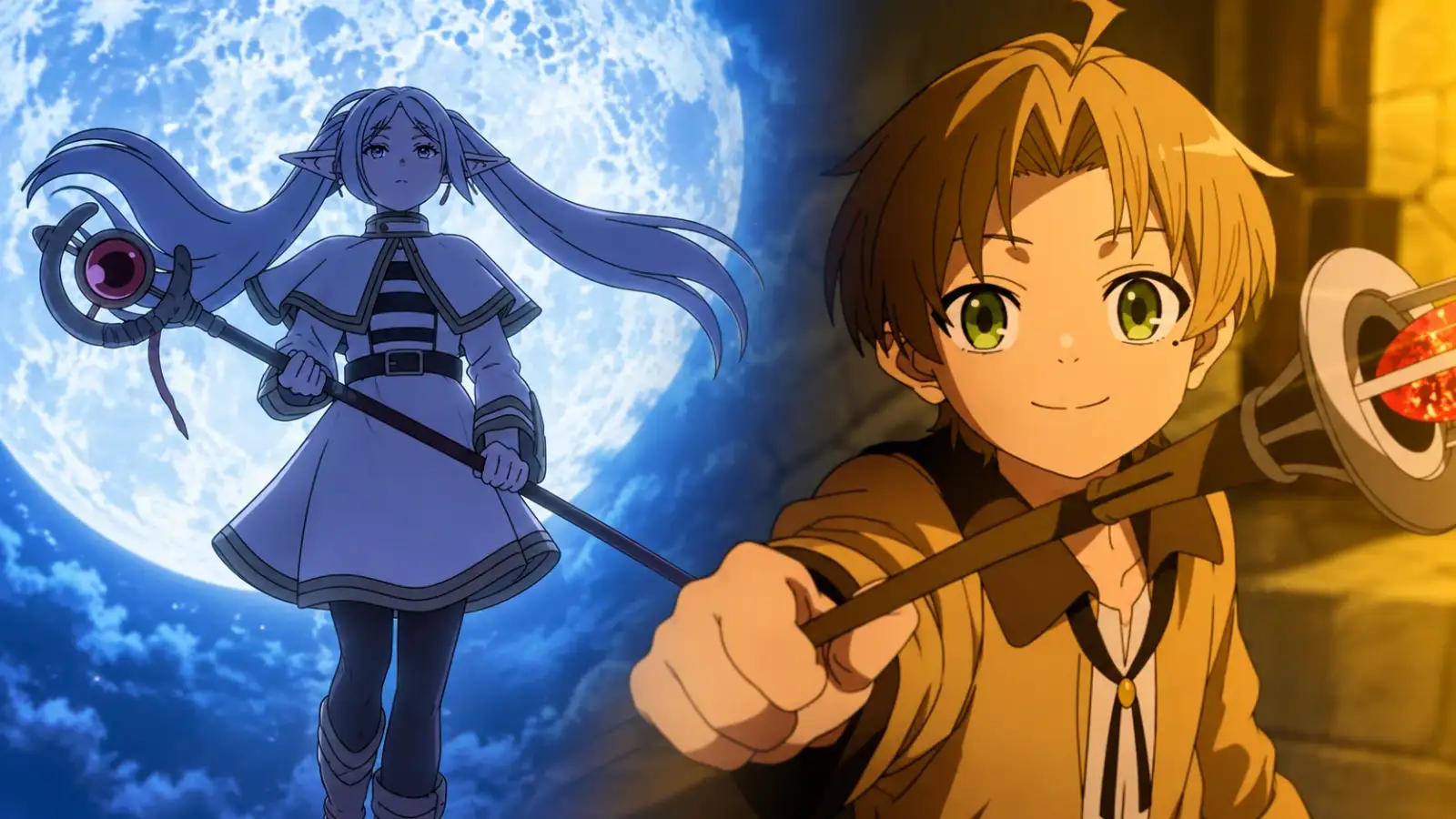
Some anime reward a second viewing because their deeper themes become easier to understand. Others are simply so entertaining that knowing what happens next does little to reduce the enjoyment. From emotional dramas and inspiring sports stories to absurd comedies and expansive fantasy adventures, these anime have plenty to offer beyond their first watch.
Frieren is an elf whose exceptionally long lifespan makes human relationships difficult for her to fully appreciate. After losing Himmel, one of the people who mattered most to her, she begins to recognise how little she understood about the time they spent together.
That emotional realisation gives the series much of its power. A second viewing can make seemingly small conversations and memories feel considerably more important.
Its beautiful direction, calm atmosphere and thoughtful approach to time and relationships make Frieren particularly effective when watched at a slower pace.
Asobi Asobase follows three schoolgirls who form a club supposedly dedicated to playing games and passing the time. Their innocent activities regularly descend into completely ridiculous situations.
The comedy thrives on sudden changes in expression, bizarre reactions and situations that become increasingly unhinged. The three leads also have contrasting personalities, allowing the smallest disagreements to become elaborate disasters.
Because many jokes are built around timing and visual reactions, a second viewing can reveal details that were easy to miss while laughing at the first one.
It is an ideal comfort watch when the goal is entertainment rather than emotional heaviness.
His life changes after professional boxer Mamoru Takamura introduces him to the sport. What begins as an attempt to become stronger gradually becomes a much deeper journey involving discipline, confidence and self-respect.
The anime's greatest strength is the way it presents improvement. Ippo does not become successful overnight. Training, setbacks and difficult opponents continually force him to develop.
That makes the series unusually motivating to revisit. Knowing the struggles that await the characters can actually make their victories more satisfying because the effort behind them is already understood.
The combination of compelling fights and genuine character development gives Hajime no Ippo lasting rewatch value.
Great Teacher Onizuka uses Onizuka's unconventional behaviour to create plenty of comedy, but the series is more thoughtful than its outrageous humour initially suggests.
Rather than treating troubled students as problems that need to be fixed, GTO gives them individual motivations, fears and personal struggles. Onizuka's methods may be bizarre, but he often understands his students better than the adults around them.
The relationship between teacher and students is the main reason the series remains enjoyable. Beneath the ridiculous situations is a coming-of-age story about people learning to deal with their problems.
The series focuses heavily on ambition and perseverance. Inori has to overcome doubts and setbacks while Tsukasa works to help her develop into a serious competitor.
What makes Medalist particularly inspiring is its understanding of failure. Progress does not happen without mistakes, injuries and disappointing results.
A second viewing can make the message about persistence even clearer because the audience already understands how much effort lies behind every achievement.
Rudeus is given another opportunity at life after being reincarnated in a fantasy world. His journey is not simply about becoming powerful. He must confront the failures of his previous existence and gradually learn how relationships, responsibility and personal growth matter.
The large-scale worldbuilding means that a single viewing can make it difficult to absorb everything happening around the characters. Returning to earlier episodes can make character motivations and developments easier to appreciate.
Its mixture of adventure and human drama makes it particularly rewarding for viewers willing to look beyond the isekai framework.
The series has plenty of fast-paced battles, but its world is what makes repeated viewing particularly worthwhile. The game's mechanics, hidden details and various encounters gradually build into a much larger system.
Small pieces of information become more meaningful as the adventure progresses. A second viewing can therefore make it easier to notice details that seemed insignificant the first time.
Its energetic animation and elaborate action sequences add another reason to return, particularly for viewers who enjoy game-inspired fantasy.
The series treats dance as far more than a collection of impressive movements. It explores the physical demands, competitiveness and emotional pressure involved in improving as a performer.
Tatara's development is central to the story. He starts with very little knowledge but gradually discovers what makes dancers successful and begins developing his own identity.
The anime's energetic animation gives the performances considerable impact, while its character relationships provide the emotional foundation. Rewatching the series makes Tatara's progress easier to appreciate because his starting point is already familiar.
The series is less interested in dramatic fantasy than in the complicated process of two people learning how to live together.
Asa and Makio both carry grief and emotional baggage, and neither immediately knows how to communicate those feelings. Their relationship develops gradually as they begin to understand one another.
The show's themes surrounding loss, healing and family become easier to appreciate with a second viewing. Details that initially seem like ordinary interactions can take on greater significance once the emotional background of the characters is understood.
The story follows Kintaro Oe, a young man who leaves his studies behind and travels around Japan, taking different jobs and learning through experience.
The series combines workplace comedy with Kintaro's exaggerated personality and his frequently inappropriate fascination with beautiful women. Its animation gives the OVA a distinctive visual quality that has helped it remain memorable decades after its release.
Its short format also works in its favour. Unlike lengthy anime that require a significant time commitment, Golden Boy can be revisited in a single sitting.
Frieren becomes more emotional when its themes of time and memory are already familiar. Hajime no Ippo makes its characters' victories more rewarding once their struggles are understood. Asobi Asobase delivers comedy through details that can be easy to miss, while Shangri-La Frontier rewards viewers who pay attention to its expanding world.
Meanwhile, Great Teacher Onizuka, Medalist, Mushoku Tensei, Welcome to the Ballroom, Journal with Witch and Golden Boy offer very different reasons to return.
Whether the goal is inspiration, emotional reflection, deeper understanding or simply a few hours of entertainment, these anime prove that knowing what happens next does not necessarily make a story less enjoyable.
Some anime reward a second viewing because their deeper themes become easier to understand. Others are simply so entertaining that knowing what happens next does little to reduce the enjoyment. From emotional dramas and inspiring sports stories to absurd comedies and expansive fantasy adventures, these anime have plenty to offer beyond their first watch.
1. Frieren: Beyond Journey's End Turns Memories Into the Story
Frieren: Beyond Journey's End takes a quieter approach to fantasy. Instead of focusing entirely on battles and grand quests, the series explores what happens after the legendary adventure has already finished.Frieren is an elf whose exceptionally long lifespan makes human relationships difficult for her to fully appreciate. After losing Himmel, one of the people who mattered most to her, she begins to recognise how little she understood about the time they spent together.
That emotional realisation gives the series much of its power. A second viewing can make seemingly small conversations and memories feel considerably more important.
Its beautiful direction, calm atmosphere and thoughtful approach to time and relationships make Frieren particularly effective when watched at a slower pace.
2. Asobi Asobase Is Pure, Unpredictable Comedy
Sometimes the best reason to rewatch an anime is simply to laugh at it again.Asobi Asobase follows three schoolgirls who form a club supposedly dedicated to playing games and passing the time. Their innocent activities regularly descend into completely ridiculous situations.
The comedy thrives on sudden changes in expression, bizarre reactions and situations that become increasingly unhinged. The three leads also have contrasting personalities, allowing the smallest disagreements to become elaborate disasters.
Because many jokes are built around timing and visual reactions, a second viewing can reveal details that were easy to miss while laughing at the first one.
It is an ideal comfort watch when the goal is entertainment rather than emotional heaviness.
3. Hajime no Ippo Makes Hard Work Feel Rewarding
Hajime no Ippo follows Ippo Makunouchi, a shy teenager who is frequently bullied before discovering boxing.His life changes after professional boxer Mamoru Takamura introduces him to the sport. What begins as an attempt to become stronger gradually becomes a much deeper journey involving discipline, confidence and self-respect.
The anime's greatest strength is the way it presents improvement. Ippo does not become successful overnight. Training, setbacks and difficult opponents continually force him to develop.
That makes the series unusually motivating to revisit. Knowing the struggles that await the characters can actually make their victories more satisfying because the effort behind them is already understood.
The combination of compelling fights and genuine character development gives Hajime no Ippo lasting rewatch value.
4. Great Teacher Onizuka Balances Chaos With Genuine Heart
Former gang member Eikichi Onizuka decides to become a teacher, despite having almost none of the qualities normally associated with the profession.Great Teacher Onizuka uses Onizuka's unconventional behaviour to create plenty of comedy, but the series is more thoughtful than its outrageous humour initially suggests.
Rather than treating troubled students as problems that need to be fixed, GTO gives them individual motivations, fears and personal struggles. Onizuka's methods may be bizarre, but he often understands his students better than the adults around them.
The relationship between teacher and students is the main reason the series remains enjoyable. Beneath the ridiculous situations is a coming-of-age story about people learning to deal with their problems.
5. Medalist Is a Story About Refusing to Give Up
Medalist centres on Tsukasa Akeuraji and Inori Yuitsuka, a coach and aspiring figure skater who enter the competitive world of skating despite arriving later than many of their peers.The series focuses heavily on ambition and perseverance. Inori has to overcome doubts and setbacks while Tsukasa works to help her develop into a serious competitor.
What makes Medalist particularly inspiring is its understanding of failure. Progress does not happen without mistakes, injuries and disappointing results.
A second viewing can make the message about persistence even clearer because the audience already understands how much effort lies behind every achievement.
6. Mushoku Tensei Goes Beyond Its Isekai Premise
At first glance, Mushoku Tensei: Jobless Reincarnation appears to be another fantasy reincarnation story. Its world is expansive, filled with magic, adventure and dangerous journeys, but its strongest material comes from its characters.Rudeus is given another opportunity at life after being reincarnated in a fantasy world. His journey is not simply about becoming powerful. He must confront the failures of his previous existence and gradually learn how relationships, responsibility and personal growth matter.
The large-scale worldbuilding means that a single viewing can make it difficult to absorb everything happening around the characters. Returning to earlier episodes can make character motivations and developments easier to appreciate.
Its mixture of adventure and human drama makes it particularly rewarding for viewers willing to look beyond the isekai framework.
7. Shangri-La Frontier Rewards Viewers Who Pay Attention
Shangri-La Frontier follows Rakurou Hizutome, a dedicated gamer who decides to tackle an extraordinarily difficult virtual reality game.The series has plenty of fast-paced battles, but its world is what makes repeated viewing particularly worthwhile. The game's mechanics, hidden details and various encounters gradually build into a much larger system.
Small pieces of information become more meaningful as the adventure progresses. A second viewing can therefore make it easier to notice details that seemed insignificant the first time.
Its energetic animation and elaborate action sequences add another reason to return, particularly for viewers who enjoy game-inspired fantasy.
8. Welcome to the Ballroom Turns Dancing Into a Personal Journey
Tatara Fujita begins Welcome to the Ballroom without any clear direction in life. His introduction to competitive ballroom dancing changes that completely.The series treats dance as far more than a collection of impressive movements. It explores the physical demands, competitiveness and emotional pressure involved in improving as a performer.
Tatara's development is central to the story. He starts with very little knowledge but gradually discovers what makes dancers successful and begins developing his own identity.
The anime's energetic animation gives the performances considerable impact, while its character relationships provide the emotional foundation. Rewatching the series makes Tatara's progress easier to appreciate because his starting point is already familiar.
9. Journal with Witch Finds Drama in Everyday Relationships
Journal with Witch focuses on Asa, an orphaned teenager who finds herself without a secure place within her family. Her circumstances change when her estranged aunt Makio takes her in.The series is less interested in dramatic fantasy than in the complicated process of two people learning how to live together.
Asa and Makio both carry grief and emotional baggage, and neither immediately knows how to communicate those feelings. Their relationship develops gradually as they begin to understand one another.
The show's themes surrounding loss, healing and family become easier to appreciate with a second viewing. Details that initially seem like ordinary interactions can take on greater significance once the emotional background of the characters is understood.
10. Golden Boy Remains a Short and Distinctive Comedy
Golden Boy is considerably shorter than most anime on this list, consisting of just six OVA episodes, which makes it particularly easy to revisit.The story follows Kintaro Oe, a young man who leaves his studies behind and travels around Japan, taking different jobs and learning through experience.
The series combines workplace comedy with Kintaro's exaggerated personality and his frequently inappropriate fascination with beautiful women. Its animation gives the OVA a distinctive visual quality that has helped it remain memorable decades after its release.
Its short format also works in its favour. Unlike lengthy anime that require a significant time commitment, Golden Boy can be revisited in a single sitting.
Why These Anime Deserve a Second Watch
A great rewatch does not simply repeat the experience of watching an anime for the first time. It changes what viewers notice.Frieren becomes more emotional when its themes of time and memory are already familiar. Hajime no Ippo makes its characters' victories more rewarding once their struggles are understood. Asobi Asobase delivers comedy through details that can be easy to miss, while Shangri-La Frontier rewards viewers who pay attention to its expanding world.
Meanwhile, Great Teacher Onizuka, Medalist, Mushoku Tensei, Welcome to the Ballroom, Journal with Witch and Golden Boy offer very different reasons to return.
Whether the goal is inspiration, emotional reflection, deeper understanding or simply a few hours of entertainment, these anime prove that knowing what happens next does not necessarily make a story less enjoyable.
Next Story