
The Best Sci-Fi Anime From Every Year of the 2000s: 10 Must-Watch Classics

The 2000s were a transformative decade for the anime industry, bringing fresh storytelling styles, ambitious animation and unforgettable genre experiments. While action-heavy shonen series attracted enormous audiences, science fiction anime explored equally fascinating ideas involving artificial intelligence, time travel, parallel universes and futuristic societies. Some shows delivered spectacular mecha battles, while others focused on philosophical questions about identity, technology and humanity. From the chaotic storytelling of FLCL to the thought-provoking world of Ergo Proxy, every year offered something distinctive. These ten science fiction anime represent some of the decade's most memorable releases and remain worth watching today.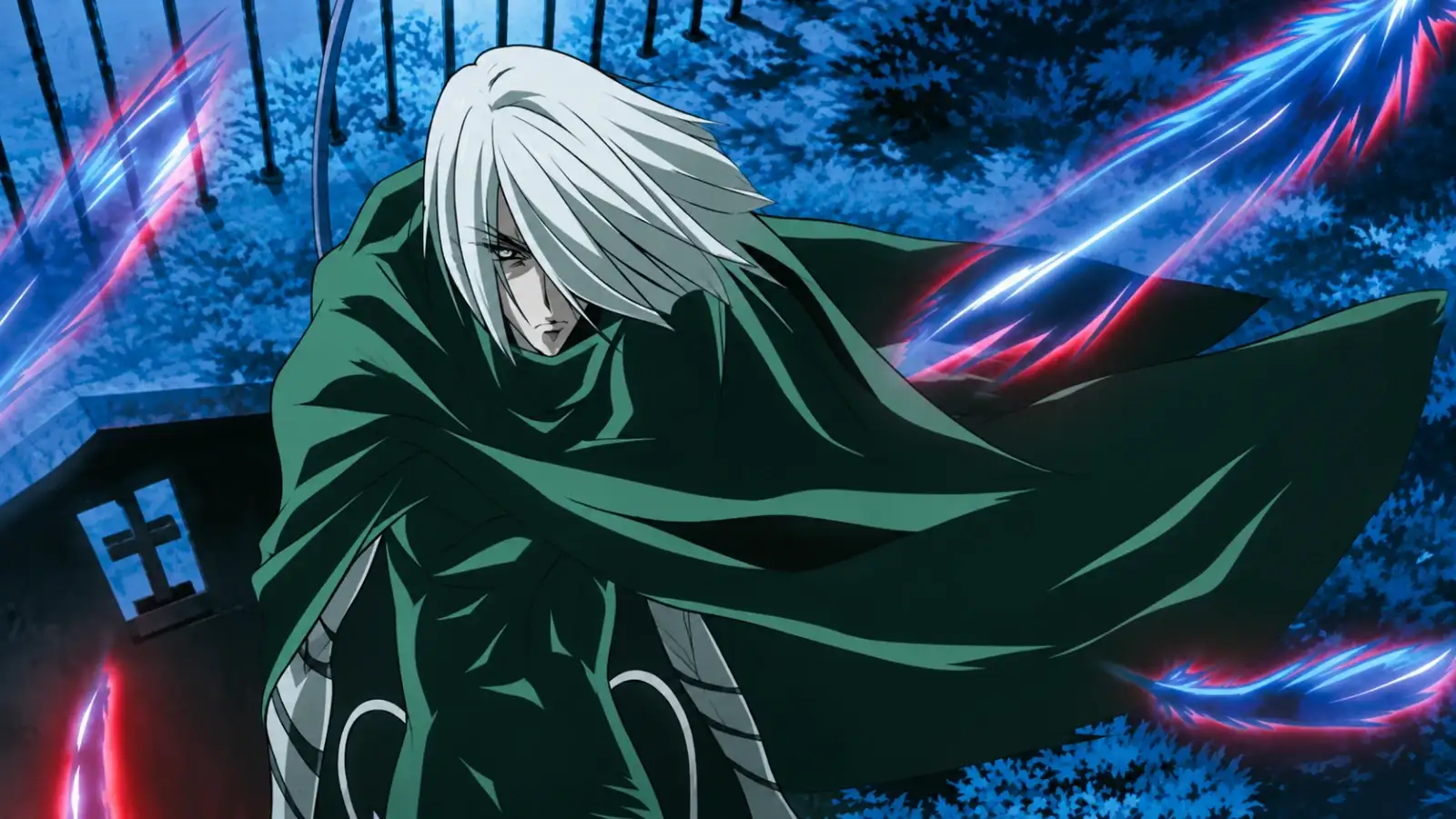
His ordinary life takes an unexpected turn when Haruko Haruhara arrives and brings a series of bizarre events into his world. The result is a fast-paced experience filled with absurd humour, strange machines and unpredictable storytelling.
Beneath its chaotic presentation, FLCL explores adolescence, puberty and the confusion of growing up. Its unusual combination of personal drama and futuristic spectacle makes it one of the decade's most distinctive anime.
Written by Chiaki J. Konaka, who also worked on Serial Experiments Lain, the series explores themes such as trauma, grief and the consequences of power. Its characters receive greater emotional depth, while the Digivolution system introduces darker transformations.
One particularly interesting development is the Matrix Digivolution, which allows human characters to fuse with their Digimon partners. These ideas give the series a more complex identity while retaining the appeal of its franchise.
The anime follows Major Motoko Kusanagi and her colleagues in Section 9, an organisation responsible for handling high-tech crimes, corporate conspiracies and other threats. Its technologically advanced setting provides the backdrop for questions about identity, humanity and the relationship between people and machines.
The series balances individual cases with a wider investigation involving extortion and a mysterious criminal threat. Its thoughtful approach to technology and society remains particularly relevant in an increasingly digital world.
Set in 2075, the 26-episode series follows the crew of the Toy Box, a spacecraft responsible for collecting dangerous space debris. These discarded objects can threaten satellites, spacecraft, space stations and even the Earth.
Rather than presenting space exploration as a glamorous adventure, the anime focuses on routine work, personal ambitions and relationships between colleagues. Its patient storytelling and realistic premise make it an excellent example of hard science fiction.
The anime follows a group of villagers who seek help from powerful samurai to protect their community. However, the world they inhabit is far removed from traditional historical Japan. It features technologically advanced cities, futuristic weapons and disturbing samurai-machine hybrids known as Nobuseri.
With 26 episodes, the series has room to develop its characters and explore themes of honour, tradition and rebellion. Its combination of classic samurai storytelling and futuristic elements makes it a distinctive science fiction adaptation.
The story centres on two friends, Haruka and Yu, whose lives change when a mysterious warrior called a Dragon Knight appears. He claims to be Yu from the future and is searching for a powerful object known as the Dragon Torque, which may be connected to Haruka.
The anime gradually reveals the relationship between its characters and the different realities surrounding them. Its layered narrative keeps viewers guessing and makes it a compelling choice for fans of science fiction built around alternate timelines.
Rather than relying on constant action, the anime builds its story around a personal mystery and a search for meaning in a world that appears to have lost its purpose.
Its cynical outlook and thought-provoking ideas make it different from more conventional science fiction anime. The storytelling does not always provide easy answers, encouraging viewers to interpret its themes and uncover the deeper meaning behind its world.
As their journey develops, the titular mecha becomes a symbol of resistance and revolution. The story constantly raises the stakes, moving from a struggle for freedom to increasingly extraordinary battles.
Its exaggerated action, emotional character moments and willingness to push the mecha genre to extreme levels make Gurren Lagann one of the most memorable science fiction anime of the 2000s.
The story follows Kaiba, a boy who wakes up without his memories and begins searching for answers about his past. In this futuristic society, people can preserve their memories on physical media, allowing them to transfer their identities and potentially extend their lives.
However, this technology also exposes deep social inequalities and corruption. The ability to manipulate memories and bodies raises difficult questions about identity, humanity and the meaning of life.
Its surreal visual style and unusual storytelling make Kaiba one of the decade's most distinctive science fiction works.
The story takes place in Academy City, a technologically advanced metropolis where students develop supernatural abilities through scientific research and experimentation. Its central character, Mikoto Misaka, is an Electromaster who can control electricity and uses her abilities to help others.
Initially, the anime combines school-life storytelling with light-hearted adventures. However, its narrative gradually uncovers darker elements involving human experimentation, conspiracies and the consequences of developing psychic powers.
This contrast between everyday school experiences and disturbing scientific secrets gives the series a compelling identity and makes it a fitting choice to close the decade.
1. FLCL (2000) Blends Coming-of-Age Drama With Science Fiction Chaos
FLCL is an unusual six-episode anime that combines an apocalyptic science fiction premise with the personal struggles of growing up. The story follows Naota Nandaba, a reserved 12-year-old boy who is uncertain about adulthood and the responsibilities that come with it.His ordinary life takes an unexpected turn when Haruko Haruhara arrives and brings a series of bizarre events into his world. The result is a fast-paced experience filled with absurd humour, strange machines and unpredictable storytelling.
Beneath its chaotic presentation, FLCL explores adolescence, puberty and the confusion of growing up. Its unusual combination of personal drama and futuristic spectacle makes it one of the decade's most distinctive anime.
2. Digimon Tamers (2001) Gives a Darker Twist to a Familiar Franchise
The third instalment in the Digimon anime franchise, Digimon Tamers takes a more mature approach to the familiar monster-adventure formula. Unlike the earlier series, it presents a more grounded story set in the real world, with a smaller central group of characters.Written by Chiaki J. Konaka, who also worked on Serial Experiments Lain, the series explores themes such as trauma, grief and the consequences of power. Its characters receive greater emotional depth, while the Digivolution system introduces darker transformations.
One particularly interesting development is the Matrix Digivolution, which allows human characters to fuse with their Digimon partners. These ideas give the series a more complex identity while retaining the appeal of its franchise.
3. Ghost in the Shell: Stand Alone Complex (2002) Explores a Cyberpunk Future
Ghost in the Shell: Stand Alone Complex brings the franchise's futuristic crime stories to television through a combination of episodic investigations and longer-running mysteries.The anime follows Major Motoko Kusanagi and her colleagues in Section 9, an organisation responsible for handling high-tech crimes, corporate conspiracies and other threats. Its technologically advanced setting provides the backdrop for questions about identity, humanity and the relationship between people and machines.
The series balances individual cases with a wider investigation involving extortion and a mysterious criminal threat. Its thoughtful approach to technology and society remains particularly relevant in an increasingly digital world.
4. Planetes (2003) Presents a Realistic View of Life in Space
Not every science fiction anime needs futuristic battles or extraordinary technology. Planetes takes a grounded approach by imagining the everyday challenges of working in space.Set in 2075, the 26-episode series follows the crew of the Toy Box, a spacecraft responsible for collecting dangerous space debris. These discarded objects can threaten satellites, spacecraft, space stations and even the Earth.
Rather than presenting space exploration as a glamorous adventure, the anime focuses on routine work, personal ambitions and relationships between colleagues. Its patient storytelling and realistic premise make it an excellent example of hard science fiction.
5. Samurai 7 (2004) Reimagines a Classic Through Sci-Fi and Steampunk
Inspired by Akira Kurosawa's legendary film Seven Samurai, Samurai 7 transports a familiar story into a futuristic world filled with advanced technology and cybernetic warriors.The anime follows a group of villagers who seek help from powerful samurai to protect their community. However, the world they inhabit is far removed from traditional historical Japan. It features technologically advanced cities, futuristic weapons and disturbing samurai-machine hybrids known as Nobuseri.
With 26 episodes, the series has room to develop its characters and explore themes of honour, tradition and rebellion. Its combination of classic samurai storytelling and futuristic elements makes it a distinctive science fiction adaptation.
6. Noein: To Your Other Self (2005) Explores Parallel Universes and Destiny
Noein: To Your Other Self is one of the decade's more overlooked science fiction anime. Across 24 episodes, it explores time travel, parallel realities and the complicated relationship between fate and personal choices.The story centres on two friends, Haruka and Yu, whose lives change when a mysterious warrior called a Dragon Knight appears. He claims to be Yu from the future and is searching for a powerful object known as the Dragon Torque, which may be connected to Haruka.
The anime gradually reveals the relationship between its characters and the different realities surrounding them. Its layered narrative keeps viewers guessing and makes it a compelling choice for fans of science fiction built around alternate timelines.
7. Ergo Proxy (2006) Delivers a Philosophical Dystopian Mystery
Ergo Proxy stands out for its bleak atmosphere and complex exploration of identity, purpose and humanity. Set in a dystopian society, the series examines the relationship between creators and their creations, particularly humans and artificial beings.Rather than relying on constant action, the anime builds its story around a personal mystery and a search for meaning in a world that appears to have lost its purpose.
Its cynical outlook and thought-provoking ideas make it different from more conventional science fiction anime. The storytelling does not always provide easy answers, encouraging viewers to interpret its themes and uncover the deeper meaning behind its world.
8. Gurren Lagann (2007) Takes Mecha Science Fiction to New Heights
Gurren Lagann is an energetic mecha anime that combines futuristic action with an inspiring story about challenging limitations. The series follows Simon and Kamina, two young characters who attempt to escape an underground society using a powerful giant robot.As their journey develops, the titular mecha becomes a symbol of resistance and revolution. The story constantly raises the stakes, moving from a struggle for freedom to increasingly extraordinary battles.
Its exaggerated action, emotional character moments and willingness to push the mecha genre to extreme levels make Gurren Lagann one of the most memorable science fiction anime of the 2000s.
9. Kaiba (2008) Questions Memory, Identity and Immortality
Created by Masaaki Yuasa, Kaiba is an experimental science fiction anime that explores what happens when memories can be removed, stored and transferred between bodies.The story follows Kaiba, a boy who wakes up without his memories and begins searching for answers about his past. In this futuristic society, people can preserve their memories on physical media, allowing them to transfer their identities and potentially extend their lives.
However, this technology also exposes deep social inequalities and corruption. The ability to manipulate memories and bodies raises difficult questions about identity, humanity and the meaning of life.
Its surreal visual style and unusual storytelling make Kaiba one of the decade's most distinctive science fiction works.
10. A Certain Scientific Railgun (2009) Ends the Decade With Superpowered Science
A Certain Scientific Railgun expands the world introduced in A Certain Magical Index, shifting the focus towards science and technology.The story takes place in Academy City, a technologically advanced metropolis where students develop supernatural abilities through scientific research and experimentation. Its central character, Mikoto Misaka, is an Electromaster who can control electricity and uses her abilities to help others.
Initially, the anime combines school-life storytelling with light-hearted adventures. However, its narrative gradually uncovers darker elements involving human experimentation, conspiracies and the consequences of developing psychic powers.
This contrast between everyday school experiences and disturbing scientific secrets gives the series a compelling identity and makes it a fitting choice to close the decade.
Next Story