
5 Classic Anime That Inspired Bleach's Iconic Characters, Villains and Visual Style

Bleach has always stood apart from other shonen anime thanks to its distinctive character designs, stylish battles and supernatural world. However, Tite Kubo's creative vision did not develop in isolation. Several classic anime and manga influenced the way he approached villains, weapons, mythology and visual storytelling. From the larger-than-life antagonists of Dragon Ball to the supernatural creatures of GeGeGe no Kitaro , these influences helped shape the series' creative identity. Some connections are visible in Bleach's battles and character designs, while others are more surprising. Together, they offer a fascinating look at the works that helped inspire one of anime's most recognisable worlds.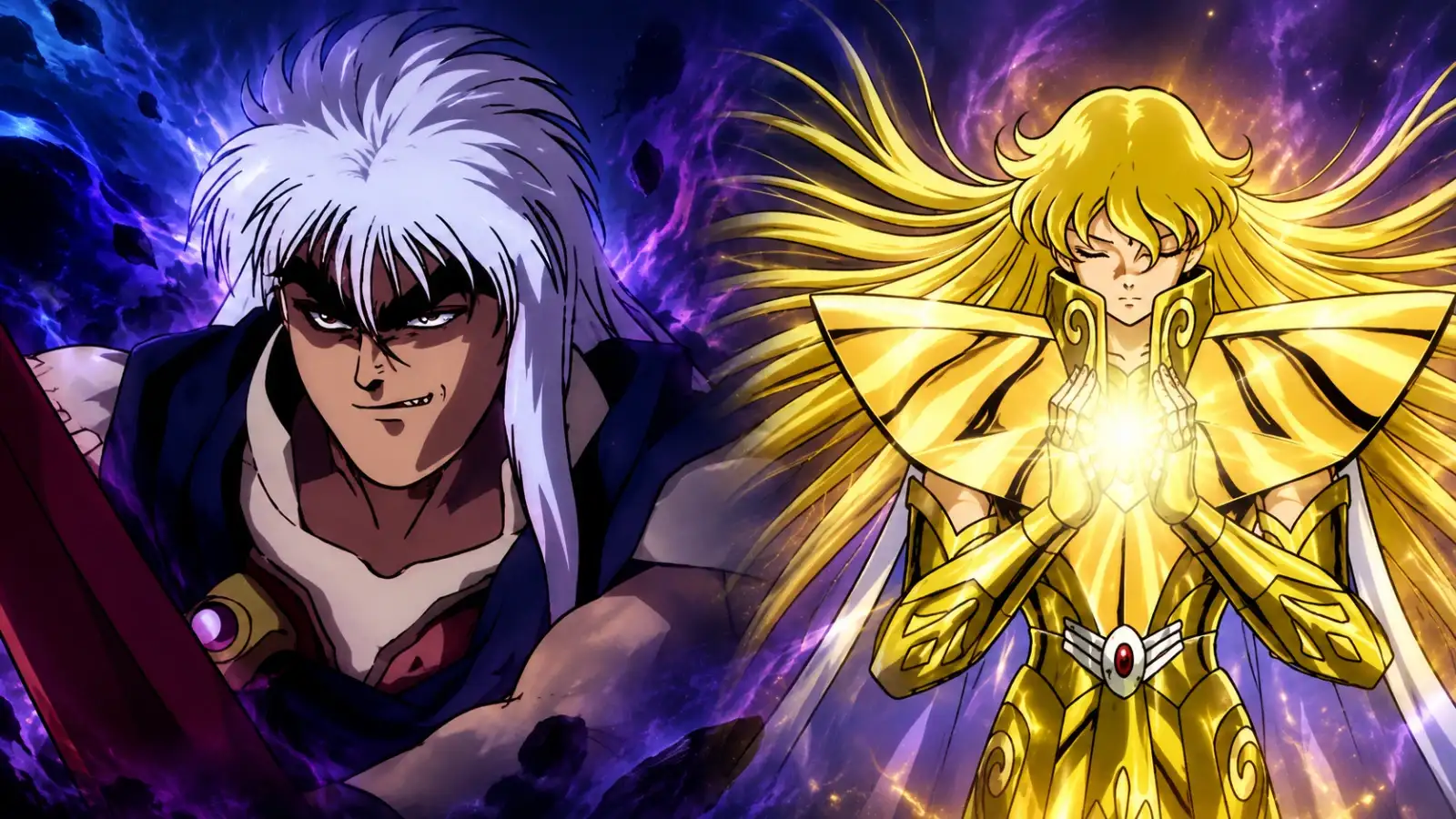
That influence can be seen throughout Bleach. Its major villains are rarely presented as ordinary obstacles for Ichigo Kurosaki to overcome. Instead, they have distinctive appearances, intimidating abilities and personalities that make them memorable in their own right.
Grimmjow's aggressive attitude makes him feel like a fighter who respects strength above almost everything else. Sosuke Aizen, meanwhile, is frightening precisely because of his composure and the intelligence behind his plans.
Like Dragon Ball, Bleach understands that a compelling antagonist needs more than overwhelming power. A memorable design, a strong presence and a recognisable personality can make a villain just as captivating as the hero.
The connection becomes clear when looking at Bleach's varied collection of spirits and monsters. Hollows, in particular, often feature unusual anatomy, distinctive masks and striking silhouettes that separate them from conventional fantasy creatures.
This approach extends beyond their physical appearance. Bleach gives its supernatural characters different personalities, motivations and ways of interacting with the human world. They are not simply monsters created to provide action scenes; many contribute to the wider mythology and emotional complexity of the story.
GeGeGe no Kitaro helped nurture Kubo's early interest in supernatural storytelling. That fascination eventually became an important part of Bleach's identity, from its monstrous Hollows to the spiritual world inhabited by the Soul Reapers.
The connection is particularly interesting because Bleach is widely recognised for its clean compositions, expressive character designs and attention to clothing. Kubo often gives characters room to stand out rather than filling every panel with excessive detail.
Bastard!! embraced dramatic fantasy aesthetics, combining beautiful, grotesque and intimidating designs within the same world. Bleach similarly allows its characters to look radically different from one another.
Captain Genryusai Yamamoto's imposing appearance contrasts sharply with Mayuri Kurotsuchi's unsettling design, while Byakuya Kuchiki's elegance communicates a completely different personality. Their visual identities help readers understand who they are before the story explains their motivations.
Although Kubo developed his own artistic language, Bastard!! helped demonstrate how striking artwork could become a defining feature of a fantasy series.
Once this connection is known, several aspects of Urahara's character become easier to recognise. He initially appears to be an eccentric shopkeeper who spends his time making jokes and behaving casually. Yet his relaxed manner conceals extraordinary intelligence and a deep understanding of the Soul Society.
Urahara's history makes him far more than an amusing supporting character. He previously served as a Soul Reaper captain and played a major role in establishing the Soul Reaper Research and Development Institute.
Like Snufkin, Urahara gives the impression that he prefers independence and rarely reveals everything he knows. His apparently carefree personality contrasts with his ability to plan several steps ahead, making him one of Bleach's most intriguing characters.
Moomin did not provide the foundations for Bleach's battles or supernatural mythology, but its influence on such an important character is a particularly memorable example of Kubo's inspirations.
Most significant Soul Reapers wield a Zanpakuto, a weapon with its own name and abilities. Its Shikai release changes how it functions, while Bankai often transforms the nature and appearance of a battle entirely.
This system makes a fighter's weapon an extension of their identity. Rather than giving every character the same kind of sword and combat style, Bleach uses each Zanpakuto to reflect its owner's personality, powers and development.
Saint Seiya also helped encourage Kubo's interest in mythology. Its use of Greek mythological ideas offered another way to explore the relationships between powerful warriors, supernatural forces and larger cosmic concepts.
Bleach eventually developed a mythology of its own, drawing on a range of cultural and spiritual references. Its distinctive weapons and dramatic battles remain among the clearest ways to understand the influence of classic battle anime on Kubo's creative approach.
These connections show that creative influences can take many forms. Sometimes they shape an entire fictional world; at other times, they inspire a character's personality or the design of a single weapon. Kubo brought those ideas together through his own imagination, giving Bleach a visual style and supernatural identity that remain instantly recognisable.
1. Dragon Ball Taught Bleach How to Make Villains Look Cool
Akira Toriyama's Dragon Ball had a lasting impact on the shonen genre, and one of its most important lessons for Kubo was the importance of making antagonists look impressive. Kubo has highlighted Future Trunks' arrival and confrontation with Frieza as a manga moment that left a strong impression on him.That influence can be seen throughout Bleach. Its major villains are rarely presented as ordinary obstacles for Ichigo Kurosaki to overcome. Instead, they have distinctive appearances, intimidating abilities and personalities that make them memorable in their own right.
Grimmjow's aggressive attitude makes him feel like a fighter who respects strength above almost everything else. Sosuke Aizen, meanwhile, is frightening precisely because of his composure and the intelligence behind his plans.
Like Dragon Ball, Bleach understands that a compelling antagonist needs more than overwhelming power. A memorable design, a strong presence and a recognisable personality can make a villain just as captivating as the hero.
2. GeGeGe no Kitaro Inspired Bleach's Supernatural Creatures
Before developing Bleach, Kubo was fascinated by GeGeGe no Kitaro, the supernatural series created by Shigeru Mizuki. Kubo has specifically discussed how Mizuki's designs of yokai, or supernatural creatures from Japanese folklore, captured his imagination during childhood.The connection becomes clear when looking at Bleach's varied collection of spirits and monsters. Hollows, in particular, often feature unusual anatomy, distinctive masks and striking silhouettes that separate them from conventional fantasy creatures.
This approach extends beyond their physical appearance. Bleach gives its supernatural characters different personalities, motivations and ways of interacting with the human world. They are not simply monsters created to provide action scenes; many contribute to the wider mythology and emotional complexity of the story.
GeGeGe no Kitaro helped nurture Kubo's early interest in supernatural storytelling. That fascination eventually became an important part of Bleach's identity, from its monstrous Hollows to the spiritual world inhabited by the Soul Reapers.
3. Bastard!! Helped Shape Bleach's Distinctive Visual Style
Bastard!! Heavy Metal, Dark Fantasy influenced Kubo through its artwork and visual presentation. Kubo has pointed to Kazushi Hagiwara's polished, anime-like illustrations as an important influence on his developing artistic style.The connection is particularly interesting because Bleach is widely recognised for its clean compositions, expressive character designs and attention to clothing. Kubo often gives characters room to stand out rather than filling every panel with excessive detail.
Bastard!! embraced dramatic fantasy aesthetics, combining beautiful, grotesque and intimidating designs within the same world. Bleach similarly allows its characters to look radically different from one another.
Captain Genryusai Yamamoto's imposing appearance contrasts sharply with Mayuri Kurotsuchi's unsettling design, while Byakuya Kuchiki's elegance communicates a completely different personality. Their visual identities help readers understand who they are before the story explains their motivations.
Although Kubo developed his own artistic language, Bastard!! helped demonstrate how striking artwork could become a defining feature of a fantasy series.
4. Moomin Inspired Kisuke Urahara's Personality
One of the most unexpected connections between Bleach and another series involves Moomin. Kubo has revealed that Kisuke Urahara was inspired by Snufkin, the independent, laid-back wanderer from Tove Jansson's Moomin stories.Once this connection is known, several aspects of Urahara's character become easier to recognise. He initially appears to be an eccentric shopkeeper who spends his time making jokes and behaving casually. Yet his relaxed manner conceals extraordinary intelligence and a deep understanding of the Soul Society.
Urahara's history makes him far more than an amusing supporting character. He previously served as a Soul Reaper captain and played a major role in establishing the Soul Reaper Research and Development Institute.
Like Snufkin, Urahara gives the impression that he prefers independence and rarely reveals everything he knows. His apparently carefree personality contrasts with his ability to plan several steps ahead, making him one of Bleach's most intriguing characters.
Moomin did not provide the foundations for Bleach's battles or supernatural mythology, but its influence on such an important character is a particularly memorable example of Kubo's inspirations.
5. Saint Seiya Influenced Bleach's Weapons and Dramatic Battles
Masami Kurumada's Saint Seiya was another childhood favourite that helped shape Kubo's approach to fighters and combat. Kubo has discussed his admiration for the series' armoured warriors and distinctive weapons, and the influence can be seen in Bleach's emphasis on individualised fighting styles.Most significant Soul Reapers wield a Zanpakuto, a weapon with its own name and abilities. Its Shikai release changes how it functions, while Bankai often transforms the nature and appearance of a battle entirely.
This system makes a fighter's weapon an extension of their identity. Rather than giving every character the same kind of sword and combat style, Bleach uses each Zanpakuto to reflect its owner's personality, powers and development.
Saint Seiya also helped encourage Kubo's interest in mythology. Its use of Greek mythological ideas offered another way to explore the relationships between powerful warriors, supernatural forces and larger cosmic concepts.
Bleach eventually developed a mythology of its own, drawing on a range of cultural and spiritual references. Its distinctive weapons and dramatic battles remain among the clearest ways to understand the influence of classic battle anime on Kubo's creative approach.
How These Classic Series Helped Define Bleach
Bleach's identity comes from the way Kubo combines different influences rather than simply reproducing them. Dragon Ball helped reinforce the appeal of powerful, stylish villains, while GeGeGe no Kitaro encouraged his interest in supernatural creatures. Bastard!! influenced his visual development, Moomin helped inspire Kisuke Urahara, and Saint Seiya contributed to his approach to weapons and mythology.These connections show that creative influences can take many forms. Sometimes they shape an entire fictional world; at other times, they inspire a character's personality or the design of a single weapon. Kubo brought those ideas together through his own imagination, giving Bleach a visual style and supernatural identity that remain instantly recognisable.
Next Story