
5 Classic Anime That Inspired Hunter x Hunter and Shaped Yoshihiro Togashi's Vision

Hunter x Hunter has become one of the most influential shonen anime thanks to its strategic battles, unpredictable storytelling and morally complicated characters. However, Yoshihiro Togashi's distinctive approach developed from a long tradition of anime and manga that shaped his creative instincts. Several classic series influenced how he approached powerful protagonists, unusual abilities and emotionally complex villains. Some connections appear in familiar battle shonen conventions, while others are reflected in specific characters and storylines. From Dragon Ball's adventurous spirit to JoJo's Bizarre Adventure's inventive combat systems, these classics help explain how Togashi built a series that continually challenges expectations.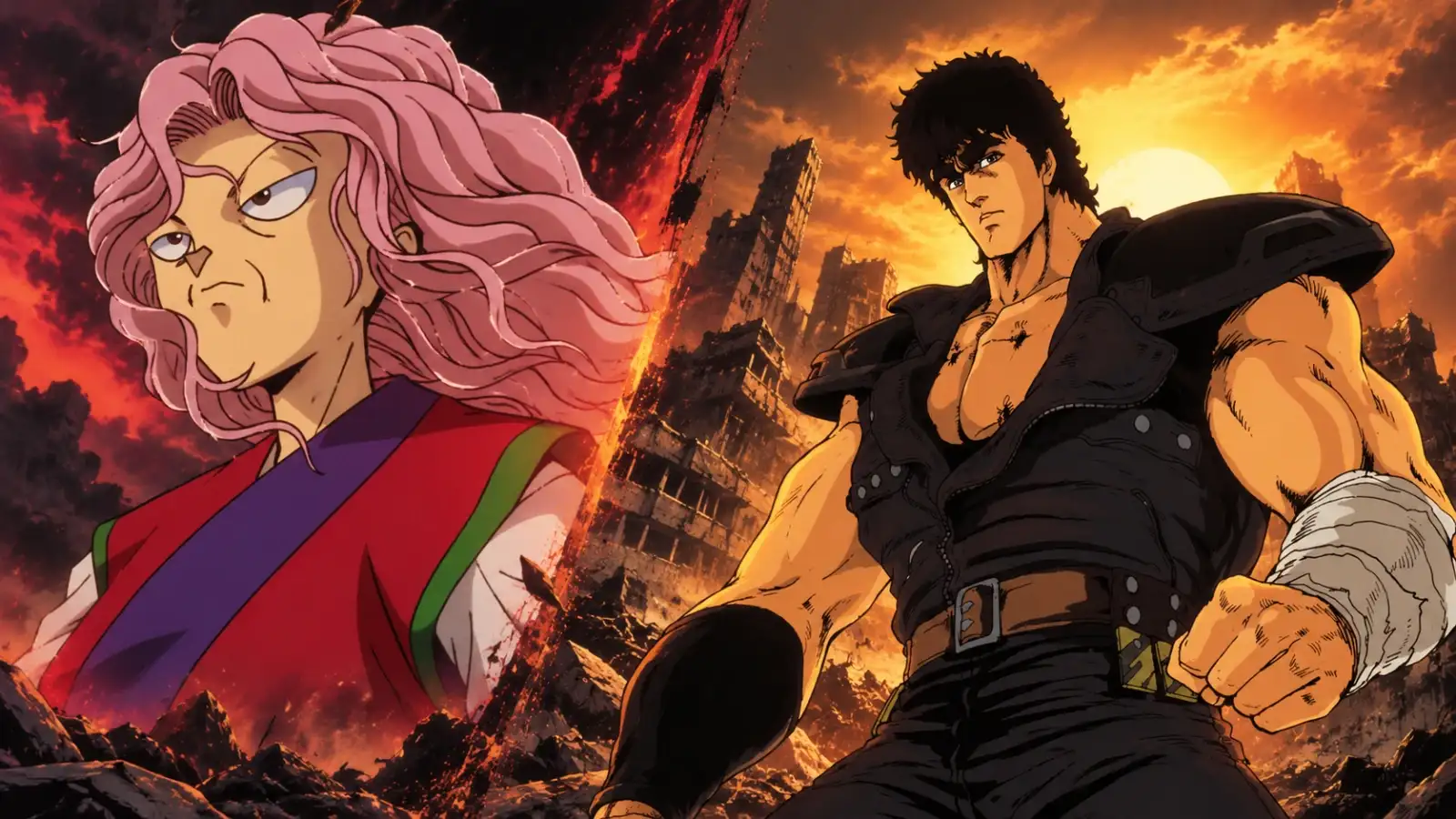
Gon Freecss begins his journey as a cheerful, physically gifted child who leaves home to become a Hunter. His natural talent and enthusiasm recall the early adventures of Goku, who also approaches the world with curiosity and extraordinary physical abilities.
There is even a distinctive connection between their fighting techniques. Goku uses a rock-paper-scissors-inspired attack called Jan Ken, while Gon's Jajanken develops into a Nen technique with Rock, Paper and Scissors variations.
However, Togashi does more than borrow a familiar heroic template. As Hunter x Hunter progresses, Gon's personality becomes increasingly complicated, revealing darker aspects that challenge traditional expectations of a shonen protagonist. Dragon Ball provided part of the foundation, but Togashi used it to explore themes and character development in his own way.
That approach can be seen throughout Hunter x Hunter, where defeating an enemy is not always the most interesting part of the story. Togashi frequently gives antagonists complicated personalities and meaningful relationships that make their eventual fates more affecting.
The Phantom Troupe, for instance, commits terrible acts but also displays genuine loyalty and grief within its own ranks. Meruem begins as a merciless Chimera Ant King, yet his encounters with Komugi gradually transform his understanding of humanity.
The emotional weight of Meruem's final moments also connects to Togashi's appreciation of memorable death scenes in Fist of the North Star. The Chimera Ant Arc demonstrates how a confrontation can become a meditation on identity, compassion and mortality rather than simply a contest of strength.
The Ohmu usually have calm blue eyes, but their eyes turn red when they become enraged. Kurapika and the Kurta Clan share a similar visual feature: their eyes become scarlet when powerful emotions take hold.
In Hunter x Hunter, however, this physical change carries a tragic meaning. The Kurta Clan's Scarlet Eyes are coveted for their beauty, leading to the massacre of Kurapika's people and the theft of their eyes.
Kurapika's distinctive appearance is therefore closely connected to his grief and desire for revenge. His eyes represent both the identity of his people and the cruelty they suffered at the hands of those who treated them as objects to collect.
Rather than simply reproducing a striking visual idea, Togashi turns it into an important part of his character's emotional journey.
This philosophy is central to Hunter x Hunter's Nen system. Kurapika gains formidable abilities by accepting strict conditions and limitations. Knuckle's Hakoware introduces a debt-based mechanic that changes how a fight unfolds, while Morel repeatedly demonstrates the value of adaptability and tactical thinking.
JoJo's Bizarre Adventure explores similar ideas through its Stand battles, where seemingly bizarre powers become dangerous when their rules are understood and used creatively.
The two systems are not identical. Nen has its own framework of aura categories, personal techniques and self-imposed restrictions. Nevertheless, both series reward careful observation and strategic planning, making their fights as much about intelligence as raw strength.
This approach helps explain why Hunter x Hunter's battles remain compelling even when one character appears to have a substantial advantage.
The Dark Tournament Arc demonstrated how opponents could become compelling characters rather than disposable obstacles. Later, the Chapter Black Arc introduced Territory users whose specialised abilities operated according to particular rules.
These ideas foreshadowed elements that Togashi would develop further in Hunter x Hunter. Nen provides a flexible framework for unusual powers, while battles often depend on understanding complicated conditions and making tactical decisions.
The Phantom Troupe also reflects Togashi's interest in giving antagonists the depth and relationships usually associated with protagonists. Meanwhile, Gon gradually becomes a more complicated hero than the cheerful child audiences first meet.
Yu Yu Hakusho gave Togashi an opportunity to explore what made supernatural battle stories effective. Hunter x Hunter builds on that experience, allowing him to experiment further with character morality, power systems and narrative expectations.
JoJo's Bizarre Adventure shares its fascination with highly specific abilities and strategic combat, while Yu Yu Hakusho represents the experience Togashi gained through his own earlier work.
These influences do not diminish Hunter x Hunter's originality. Instead, they show how Togashi combines established conventions with unexpected choices, creating a series in which battles reveal character, victories come with consequences and even the most familiar shonen ideas can lead somewhere surprising.
1. Dragon Ball Helped Establish Hunter x Hunter's Shonen Foundations
Akira Toriyama's Dragon Ball established many conventions that later battle shonen series would adopt, including adventurous young heroes, intensive training, martial arts tournaments and increasingly powerful opponents. Hunter x Hunter uses several of these familiar ideas while taking them in its own direction.Gon Freecss begins his journey as a cheerful, physically gifted child who leaves home to become a Hunter. His natural talent and enthusiasm recall the early adventures of Goku, who also approaches the world with curiosity and extraordinary physical abilities.
There is even a distinctive connection between their fighting techniques. Goku uses a rock-paper-scissors-inspired attack called Jan Ken, while Gon's Jajanken develops into a Nen technique with Rock, Paper and Scissors variations.
However, Togashi does more than borrow a familiar heroic template. As Hunter x Hunter progresses, Gon's personality becomes increasingly complicated, revealing darker aspects that challenge traditional expectations of a shonen protagonist. Dragon Ball provided part of the foundation, but Togashi used it to explore themes and character development in his own way.
2. Fist of the North Star Influenced Togashi's Approach to Villains
Fist of the North Star helped shape the battle manga landscape that Togashi encountered as a young creator. Its confrontations often carried emotional weight because characters brought their personal histories, beliefs and motivations into battle.That approach can be seen throughout Hunter x Hunter, where defeating an enemy is not always the most interesting part of the story. Togashi frequently gives antagonists complicated personalities and meaningful relationships that make their eventual fates more affecting.
The Phantom Troupe, for instance, commits terrible acts but also displays genuine loyalty and grief within its own ranks. Meruem begins as a merciless Chimera Ant King, yet his encounters with Komugi gradually transform his understanding of humanity.
The emotional weight of Meruem's final moments also connects to Togashi's appreciation of memorable death scenes in Fist of the North Star. The Chimera Ant Arc demonstrates how a confrontation can become a meditation on identity, compassion and mortality rather than simply a contest of strength.
3. Nausicaä of the Valley of the Wind Inspired Kurapika's Scarlet Eyes
One of the more surprising influences on Hunter x Hunter comes from Hayao Miyazaki's Nausicaä of the Valley of the Wind. According to the supplied account, the appearance of the Ohmu, the enormous creatures in Miyazaki's story, helped inspire Kurapika's character design.The Ohmu usually have calm blue eyes, but their eyes turn red when they become enraged. Kurapika and the Kurta Clan share a similar visual feature: their eyes become scarlet when powerful emotions take hold.
In Hunter x Hunter, however, this physical change carries a tragic meaning. The Kurta Clan's Scarlet Eyes are coveted for their beauty, leading to the massacre of Kurapika's people and the theft of their eyes.
Kurapika's distinctive appearance is therefore closely connected to his grief and desire for revenge. His eyes represent both the identity of his people and the cruelty they suffered at the hands of those who treated them as objects to collect.
Rather than simply reproducing a striking visual idea, Togashi turns it into an important part of his character's emotional journey.
4. JoJo's Bizarre Adventure Shares Hunter x Hunter's Love of Strategic Battles
JoJo's Bizarre Adventure and Hunter x Hunter both demonstrate that unusual abilities can make battles more interesting than straightforward displays of power. Victory often depends on understanding an opponent's technique, identifying its restrictions and finding a way to exploit its weaknesses.This philosophy is central to Hunter x Hunter's Nen system. Kurapika gains formidable abilities by accepting strict conditions and limitations. Knuckle's Hakoware introduces a debt-based mechanic that changes how a fight unfolds, while Morel repeatedly demonstrates the value of adaptability and tactical thinking.
JoJo's Bizarre Adventure explores similar ideas through its Stand battles, where seemingly bizarre powers become dangerous when their rules are understood and used creatively.
The two systems are not identical. Nen has its own framework of aura categories, personal techniques and self-imposed restrictions. Nevertheless, both series reward careful observation and strategic planning, making their fights as much about intelligence as raw strength.
This approach helps explain why Hunter x Hunter's battles remain compelling even when one character appears to have a substantial advantage.
You may also like
- Yash offered to pay to the paparazzi for loss suffered for not clicking his photos, Arjun Kapoor bought cameras for them, reveals paparazzo: 'He has the best heart'
- From Justin Selvaraj to SJ Suryah: 'Jailer 2' actor reveals how director Vasanth gave him his screen name, recalls Rajinikanth connection
- Tiger Shroff's team issues first statement after firing incident, warns of legal action over fake news and AI-generated videos
- When Kiara Advani revealed why she wanted to slap her 'Kabir Singh' co-star Shahid Kapoor
- Tiger Shroff's team warns legal action over AI-generated videos and spreading fake content
5. Yu Yu Hakusho Helped Togashi Develop Hunter x Hunter
Perhaps the most important predecessor to Hunter x Hunter is Togashi's own earlier series, Yu Yu Hakusho. Working on that story gave him extensive experience with supernatural battles, tournament arcs, memorable supporting characters and antagonists whose motivations extended beyond defeating the hero.The Dark Tournament Arc demonstrated how opponents could become compelling characters rather than disposable obstacles. Later, the Chapter Black Arc introduced Territory users whose specialised abilities operated according to particular rules.
These ideas foreshadowed elements that Togashi would develop further in Hunter x Hunter. Nen provides a flexible framework for unusual powers, while battles often depend on understanding complicated conditions and making tactical decisions.
The Phantom Troupe also reflects Togashi's interest in giving antagonists the depth and relationships usually associated with protagonists. Meanwhile, Gon gradually becomes a more complicated hero than the cheerful child audiences first meet.
Yu Yu Hakusho gave Togashi an opportunity to explore what made supernatural battle stories effective. Hunter x Hunter builds on that experience, allowing him to experiment further with character morality, power systems and narrative expectations.
How These Classics Help Explain Hunter x Hunter's Success
Hunter x Hunter draws on a broad creative tradition, but its strength lies in how Togashi transforms familiar ideas. Dragon Ball contributes the foundations of adventurous battle shonen, Fist of the North Star informs the emotional weight of conflict, and Nausicaä of the Valley of the Wind offers an unexpected connection to Kurapika's design.JoJo's Bizarre Adventure shares its fascination with highly specific abilities and strategic combat, while Yu Yu Hakusho represents the experience Togashi gained through his own earlier work.
These influences do not diminish Hunter x Hunter's originality. Instead, they show how Togashi combines established conventions with unexpected choices, creating a series in which battles reveal character, victories come with consequences and even the most familiar shonen ideas can lead somewhere surprising.






Loving Newspoint? Download the app now
