
From Raja Babu to Partner: The Comeback of Bollywood’s Comedy Era

Bollywood is increasingly turning to its past to secure its present. The decision to re-release some of David Dhawan’s most popular films is not just a nostalgic move. It is a calculated strategy shaped by changing audience behaviour and a shifting theatrical landscape.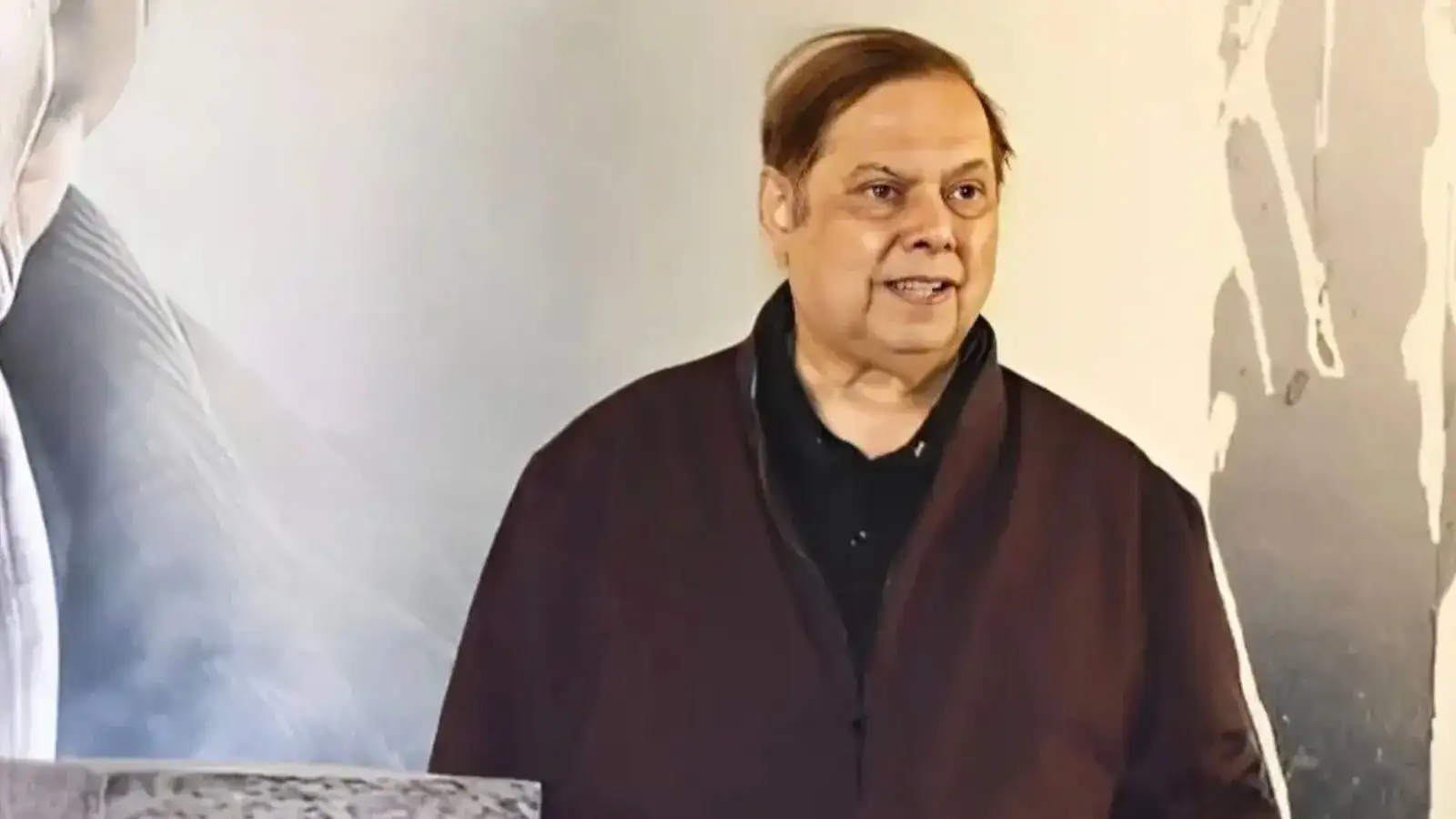
Titles like Raja Babu and Partner are not just films. They represent a specific era of Hindi cinema where comedy, music, and star-driven performances defined box office success. These were films built for mass appeal, where humour was loud, characters were memorable, and the theatre experience was collective.
Bringing them back to cinemas today taps into something deeper than simple recall. It plays on familiarity. In an age where audiences are overwhelmed with content across platforms, familiarity often becomes a reason to step out and watch a film on the big screen.
This re-release also aligns with the build-up to David Dhawan’s upcoming film Hai Jawani Toh Ishq Hona Hai. Revisiting his earlier successes serves as a reminder of his filmmaking style and legacy. It reconnects audiences with the kind of cinema he is known for before introducing something new.
At the same time, this trend reflects a broader shift within the industry. Re-releases are no longer treated as filler content or occasional celebrations. They are becoming part of mainstream theatrical strategy. Old films are being positioned as events, especially when they carry strong recall value.
For younger audiences, this is also an introduction. Many of these films were never experienced in theatres by a new generation that has only seen them on television or streaming platforms. Watching them in a cinema setting changes the experience entirely. Comedy, in particular, benefits from a shared audience environment where timing and reactions amplify the impact.
However, this strategy also highlights a concern. The increasing reliance on older films raises questions about the consistency of new content. When past successes are repeatedly brought back, it suggests a gap in creating equally engaging original cinema.
That said, re-releases are not necessarily replacing new films. They are working alongside them. From a business perspective, they are low-risk and cost-effective. They help keep theatres active, generate additional revenue, and maintain audience engagement between major releases.
The success of such re-releases depends on more than just nostalgia. It relies on how strongly the film is remembered and how relevant it still feels to current audiences. Not every old film can recreate its original impact. But certain titles, especially those rooted in humour and strong performances, tend to age better in terms of audience connection.
In simple terms, the return of David Dhawan’s films is not just about looking back.
It is about using the past to stay relevant in the present.
As Bollywood continues to experiment with ways to bring audiences back to theatres, nostalgia has emerged as one of its most reliable tools. The real test will be whether this strategy complements fresh storytelling or slowly begins to replace it.
Titles like Raja Babu and Partner are not just films. They represent a specific era of Hindi cinema where comedy, music, and star-driven performances defined box office success. These were films built for mass appeal, where humour was loud, characters were memorable, and the theatre experience was collective.
Bringing them back to cinemas today taps into something deeper than simple recall. It plays on familiarity. In an age where audiences are overwhelmed with content across platforms, familiarity often becomes a reason to step out and watch a film on the big screen.
This re-release also aligns with the build-up to David Dhawan’s upcoming film Hai Jawani Toh Ishq Hona Hai. Revisiting his earlier successes serves as a reminder of his filmmaking style and legacy. It reconnects audiences with the kind of cinema he is known for before introducing something new.
At the same time, this trend reflects a broader shift within the industry. Re-releases are no longer treated as filler content or occasional celebrations. They are becoming part of mainstream theatrical strategy. Old films are being positioned as events, especially when they carry strong recall value.
For younger audiences, this is also an introduction. Many of these films were never experienced in theatres by a new generation that has only seen them on television or streaming platforms. Watching them in a cinema setting changes the experience entirely. Comedy, in particular, benefits from a shared audience environment where timing and reactions amplify the impact.
However, this strategy also highlights a concern. The increasing reliance on older films raises questions about the consistency of new content. When past successes are repeatedly brought back, it suggests a gap in creating equally engaging original cinema.
That said, re-releases are not necessarily replacing new films. They are working alongside them. From a business perspective, they are low-risk and cost-effective. They help keep theatres active, generate additional revenue, and maintain audience engagement between major releases.
The success of such re-releases depends on more than just nostalgia. It relies on how strongly the film is remembered and how relevant it still feels to current audiences. Not every old film can recreate its original impact. But certain titles, especially those rooted in humour and strong performances, tend to age better in terms of audience connection.
In simple terms, the return of David Dhawan’s films is not just about looking back.
It is about using the past to stay relevant in the present.
As Bollywood continues to experiment with ways to bring audiences back to theatres, nostalgia has emerged as one of its most reliable tools. The real test will be whether this strategy complements fresh storytelling or slowly begins to replace it.
Next Story