
6 Things Dragon Ball Super: Beerus Episode 4 Changed From the 2015 Anime

Dragon Ball Super: Beerus continues to revisit the God of Destruction Beerus Saga , bringing changes to the original 2015 anime through updated visuals, revised pacing and selective scene omissions. Unlike its previous episodes, which covered several installments of the original series in a shorter runtime, Episode 4, titled 'The Saiyan God', follows the source material more closely.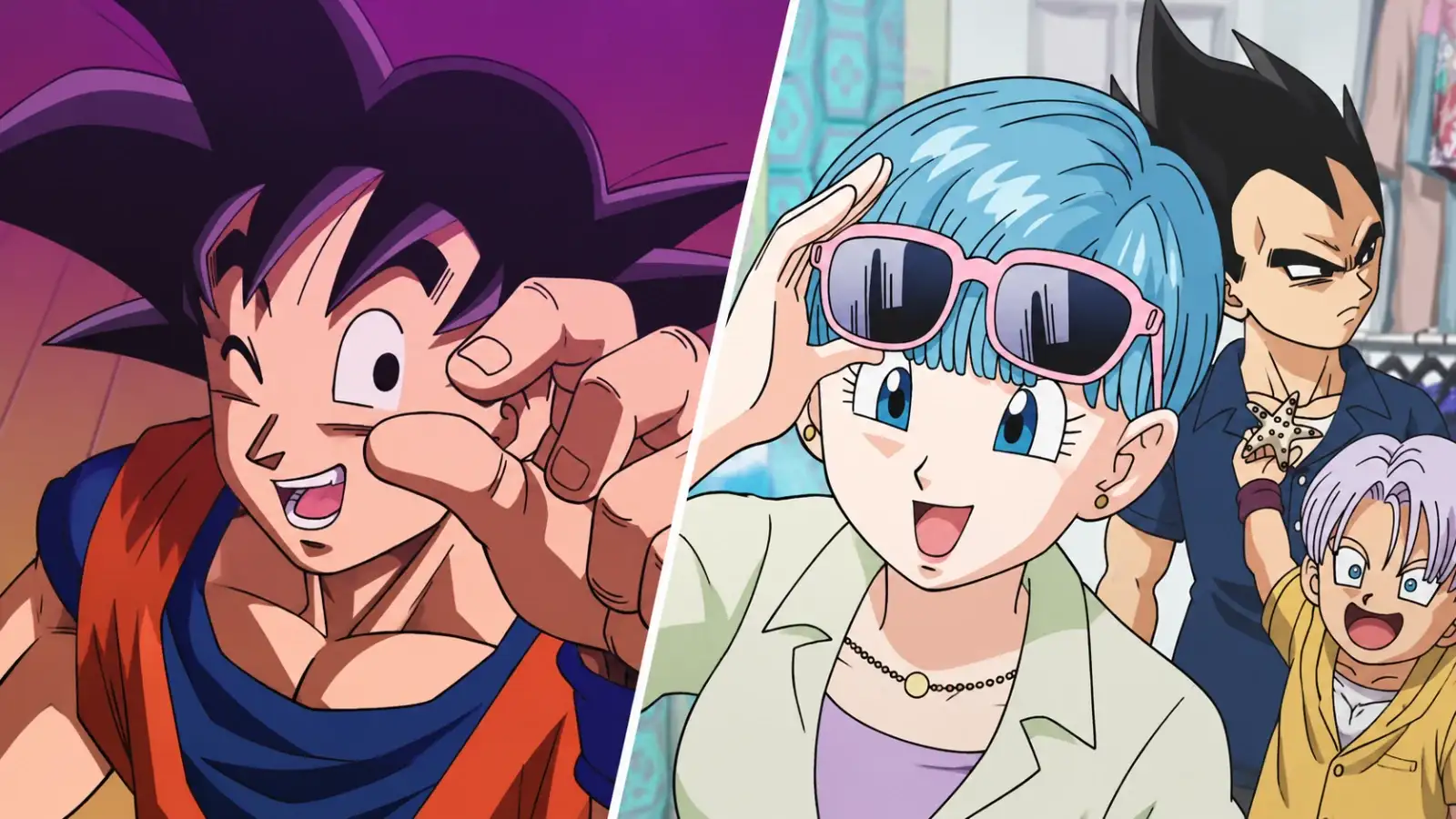
The episode covers approximately one and a half episodes of the 2015 anime, beginning around the second half of Episode 8 and continuing through Episode 9. While several differences are relatively minor, some changes affect the comedy and character moments that made the original memorable. Here are six major differences viewers will notice.
Dragon Ball Super: Beerus retains this ridiculous moment and adds a visual enhancement to make it even more entertaining. The remake features an intense face-off between Oolong and Beerus, presenting the mortal pig and divine cat as though they are preparing for an epic battle.
The addition strengthens the joke without changing its basic premise. Considering that the remake has trimmed several light-hearted scenes, keeping this sequence and giving it extra attention is a welcome decision.
In the original 2015 anime, the gang attempts to escape using a safety boat when Emperor Pilaf notices Shenron appearing in the distance. He immediately orders Mai and Shu to take him back towards Bulma's ship.
The remake retains Pilaf's reaction to Shenron's appearance but removes the dialogue in which he instructs his companions to return. Although this is a relatively small omission, it further reduces the gang's involvement in the unfolding events.
The decision appears consistent with the remake's preference for keeping the main storyline moving rather than spending additional time on secondary characters.
The sequence was absent from the first three episodes of the remake, but Episode 4 brings it back in a shortened form.
When the Dragon Team discusses the requirement of five pure-hearted Saiyans for the Super Saiyan God ritual, Piccolo questions whether Vegeta qualifies. Chi-Chi disagrees, pointing out that Vegeta has changed and become a devoted family man.
As she defends him, the remake shows a brief highlight reel of his family vacation. This allows viewers to understand Chi-Chi's argument without restoring the entire original sequence.
Although the flashback is a useful reminder of Vegeta's character development, fans who enjoyed the original family moments may wish the remake had included more of them.
Some viewers felt that the music did not match the seriousness of the situation. Instead of making Goku's arrival feel like a heroic moment, it created a noticeably lighter atmosphere.
Dragon Ball Super: Beerus does not change Goku's dialogue, meaning his casual attitude remains intact. However, it makes a significant adjustment to the soundtrack by removing the background music from the scene entirely.
This creates a different atmosphere, but the absence of music also makes the moment feel less dramatic than expected. Rather than correcting the original scene's controversial musical choice, the remake takes an unexpectedly quiet approach.
In the 2015 series, the Eternal Dragon becomes visibly nervous when he realises that Beerus, the God of Destruction, is present. His unusually humble behaviour provides a humorous contrast to the immense power and authority usually associated with him.
The remake retains some of Shenron's nervousness but significantly reduces the sequence. It also removes Krillin's joking comment about how quickly Shenron wanted to leave after encountering Beerus.
Although the main purpose of the scene remains unchanged, the reduced dialogue takes away some of its comedic impact. It is another example of how the remake's editing choices sometimes sacrifice smaller character moments.
Dragon Ball Super: Beerus gives the transformation a more cinematic treatment through its updated visuals and presentation. Interestingly, the remake achieves this despite using considerably less screen time.
The sequence, from Videl joining the group to the reveal of Goku's new form, lasts approximately four minutes. In comparison, the corresponding sequence in the 2015 anime runs for around seven minutes.
Despite the shorter duration, the updated visuals make the transformation feel more dramatic and impactful. It also delivers one of the episode's most impressive moments, giving fans a strong reason to appreciate the remake's approach.
The episode covers approximately one and a half episodes of the 2015 anime, beginning around the second half of Episode 8 and continuing through Episode 9. While several differences are relatively minor, some changes affect the comedy and character moments that made the original memorable. Here are six major differences viewers will notice.
1. Oolong's Rock-Paper-Scissors Match With Beerus Gets More Dramatic
One of the most unusual comedy sequences in the Beerus Saga involves Oolong challenging the God of Destruction to a game of rock-paper-scissors. Despite the enormous difference in their power, the scene turns an ordinary game into an exaggerated confrontation.Dragon Ball Super: Beerus retains this ridiculous moment and adds a visual enhancement to make it even more entertaining. The remake features an intense face-off between Oolong and Beerus, presenting the mortal pig and divine cat as though they are preparing for an epic battle.
The addition strengthens the joke without changing its basic premise. Considering that the remake has trimmed several light-hearted scenes, keeping this sequence and giving it extra attention is a welcome decision.
2. The Pilaf Gang Receives Even Less Screen Time
The reduced presence of the Pilaf Gang has been a recurring feature of Dragon Ball Super: Beerus, and Episode 4 continues that trend.In the original 2015 anime, the gang attempts to escape using a safety boat when Emperor Pilaf notices Shenron appearing in the distance. He immediately orders Mai and Shu to take him back towards Bulma's ship.
The remake retains Pilaf's reaction to Shenron's appearance but removes the dialogue in which he instructs his companions to return. Although this is a relatively small omission, it further reduces the gang's involvement in the unfolding events.
The decision appears consistent with the remake's preference for keeping the main storyline moving rather than spending additional time on secondary characters.
3. Vegeta's Family Vacation Appears Only in a Flashback
One of the more noticeable omissions concerns Vegeta's family holiday with Bulma and Trunks. In the original Dragon Ball Super, the Saiyan prince takes a break from training and enjoys time with his family, including amusement park rides and ice cream.The sequence was absent from the first three episodes of the remake, but Episode 4 brings it back in a shortened form.
When the Dragon Team discusses the requirement of five pure-hearted Saiyans for the Super Saiyan God ritual, Piccolo questions whether Vegeta qualifies. Chi-Chi disagrees, pointing out that Vegeta has changed and become a devoted family man.
As she defends him, the remake shows a brief highlight reel of his family vacation. This allows viewers to understand Chi-Chi's argument without restoring the entire original sequence.
Although the flashback is a useful reminder of Vegeta's character development, fans who enjoyed the original family moments may wish the remake had included more of them.
4. Goku's Return to Earth Has No Background Music
Goku's arrival on Earth to confront Beerus was one of the most anticipated moments of the original Dragon Ball Super. However, the 2015 version attracted criticism for two reasons: Goku's unusually playful dialogue and the upbeat background music accompanying his return.Some viewers felt that the music did not match the seriousness of the situation. Instead of making Goku's arrival feel like a heroic moment, it created a noticeably lighter atmosphere.
Dragon Ball Super: Beerus does not change Goku's dialogue, meaning his casual attitude remains intact. However, it makes a significant adjustment to the soundtrack by removing the background music from the scene entirely.
This creates a different atmosphere, but the absence of music also makes the moment feel less dramatic than expected. Rather than correcting the original scene's controversial musical choice, the remake takes an unexpectedly quiet approach.
5. Shenron's Humorous Reaction to Beerus Is Shortened
Shenron's appearance is another moment where the remake removes some of the comedy found in the original anime.In the 2015 series, the Eternal Dragon becomes visibly nervous when he realises that Beerus, the God of Destruction, is present. His unusually humble behaviour provides a humorous contrast to the immense power and authority usually associated with him.
The remake retains some of Shenron's nervousness but significantly reduces the sequence. It also removes Krillin's joking comment about how quickly Shenron wanted to leave after encountering Beerus.
Although the main purpose of the scene remains unchanged, the reduced dialogue takes away some of its comedic impact. It is another example of how the remake's editing choices sometimes sacrifice smaller character moments.
6. Goku's Super Saiyan God Transformation Looks More Cinematic
The biggest improvement in Episode 4 comes with Goku's transformation into Super Saiyan God. The original 2015 anime had already established the importance of this moment, but its presentation did not receive the same appreciation as the version featured in the Battle of Gods film.Dragon Ball Super: Beerus gives the transformation a more cinematic treatment through its updated visuals and presentation. Interestingly, the remake achieves this despite using considerably less screen time.
The sequence, from Videl joining the group to the reveal of Goku's new form, lasts approximately four minutes. In comparison, the corresponding sequence in the 2015 anime runs for around seven minutes.
Despite the shorter duration, the updated visuals make the transformation feel more dramatic and impactful. It also delivers one of the episode's most impressive moments, giving fans a strong reason to appreciate the remake's approach.
Next Story