
5 Isekai Anime That Went From Massive Hype to Being Forgotten

Isekai anime has become one of the most crowded genres in modern animation. With countless stories featuring fantasy kingdoms, powerful heroes and familiar game-inspired settings, standing out has become increasingly difficult. However, some series once managed to capture viewers' attention with unusual concepts, entertaining characters and fresh approaches to the genre. Unfortunately, not all of them maintained their popularity. Long gaps between seasons, changes in animation quality and disappointing storytelling gradually affected their reputations. These five once-hyped isekai anime show how quickly a promising series can lose its place in the spotlight.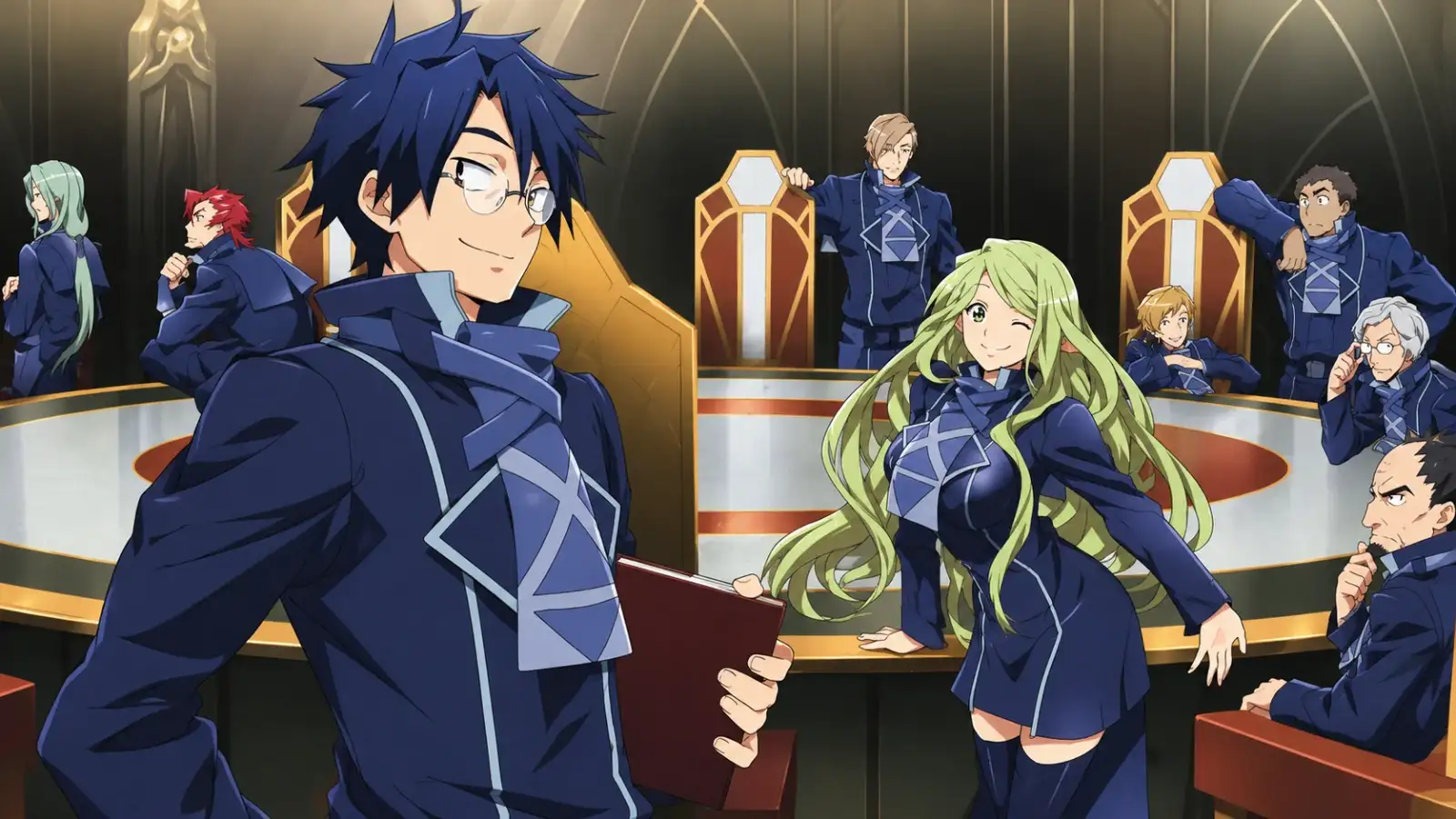
His excessive caution becomes the source of much of the show's comedy. Seiya can spend weeks preparing to defeat a weak slime and still use an overwhelmingly powerful attack to make sure the enemy is finished. Meanwhile, the goddess Ristarte struggles to cope with his behaviour, creating plenty of entertaining exchanges.
However, the series offers more than comic situations. Its final episodes introduce a surprisingly serious emotional direction that gives the story greater depth.
Despite its initial popularity, the anime has not received a sequel announcement in the source's account. As time passes, the excitement surrounding a potential second season has naturally faded.
Sadao Maou's everyday struggles created an entertaining combination of workplace comedy, fantasy action and character interactions. The supporting cast also helped make the series enjoyable, while its animation brought personality to both its comedic scenes and battles.
However, the long wait between the first and second seasons weakened the momentum. The return also came with a change in animation studio, and many viewers felt that the visual quality, pacing and character writing had declined.
The later story moved further away from the workplace comedy that originally attracted audiences. The introduction of a new central character also changed the direction of the narrative. As a result, the excitement surrounding this once-popular reverse isekai gradually disappeared.
Unlike many isekai protagonists, Naofumi begins his journey at a serious disadvantage. After being falsely accused and rejected by much of society, he has to build his strength through experience and the support of his companions.
The series initially stood out because its protagonist could not simply overpower every opponent. Teamwork, character development and a balanced power system played important roles in the story.
However, the later seasons struggled to recreate the impact of the original. The storytelling became less engaging for many viewers, while criticism of the animation and slower pacing affected the series' reputation.
Although the franchise continued, the enthusiasm that surrounded its first season became harder to maintain.
The anime combined fantasy adventures, romance, comedy and ecchi elements. Its magical system and class-based society also provided a setting that helped distinguish it from several other fantasy series of its time.
The franchise became popular enough to receive four seasons, but its appeal has changed over the years. Modern viewers have criticised its treatment of classism and slavery, while some of its romantic and comedic elements have not aged well.
The repeated use of familiar storylines and character tropes also made later instalments feel less fresh. What once seemed like an exciting fantasy adventure can now feel repetitive to viewers discovering it for the first time.
The story follows Shiroe, an intelligent player who uses strategy, negotiation and teamwork to deal with the challenges facing the adventurers. Politics, diplomacy and social organisation become just as important as battles.
Its first season received attention for building a detailed world in which characters had to understand the rules of their new environment. This approach helped distinguish it from other video game-inspired anime.
However, the series struggled to maintain the same momentum in its later instalments. The second season received criticism, while the third arrived after a lengthy gap and was viewed by some fans as less engaging. The reduced excitement surrounding the franchise meant that it gradually lost the attention it once enjoyed.
Meanwhile, The Familiar of Zero has aged differently for modern audiences, and Log Horizon found it difficult to maintain its early storytelling strengths.
Each series once offered something distinctive to the isekai genre. Their fading popularity also highlights how important consistent writing, production quality and timely sequels can be in keeping an anime relevant.
1. Cautious Hero : The Hero Is Overpowered but Overly Cautious Deserves Another Adventure
Cautious Hero: The Hero Is Overpowered but Overly Cautious attracted attention with its unusual take on the familiar summoned-hero storyline. Instead of rushing into battle, its protagonist, Seiya Ryuuguuin, prepares for practically every possible danger, even when facing opponents who appear completely harmless.His excessive caution becomes the source of much of the show's comedy. Seiya can spend weeks preparing to defeat a weak slime and still use an overwhelmingly powerful attack to make sure the enemy is finished. Meanwhile, the goddess Ristarte struggles to cope with his behaviour, creating plenty of entertaining exchanges.
However, the series offers more than comic situations. Its final episodes introduce a surprisingly serious emotional direction that gives the story greater depth.
Despite its initial popularity, the anime has not received a sequel announcement in the source's account. As time passes, the excitement surrounding a potential second season has naturally faded.
2. The Devil Is a Part-Timer ! Lost Its Charm After a Long Break
The Devil Is a Part-Timer! originally stood out by reversing the traditional isekai formula. Instead of following someone transported to a fantasy world, it brings a powerful demon lord into modern-day Japan, where he has to survive by working at a fast-food restaurant.Sadao Maou's everyday struggles created an entertaining combination of workplace comedy, fantasy action and character interactions. The supporting cast also helped make the series enjoyable, while its animation brought personality to both its comedic scenes and battles.
However, the long wait between the first and second seasons weakened the momentum. The return also came with a change in animation studio, and many viewers felt that the visual quality, pacing and character writing had declined.
The later story moved further away from the workplace comedy that originally attracted audiences. The introduction of a new central character also changed the direction of the narrative. As a result, the excitement surrounding this once-popular reverse isekai gradually disappeared.
3. The Rising of the Shield Hero Struggled to Maintain Its First-Season Quality
The Rising of the Shield Hero became a major talking point when its first season introduced Naofumi Iwatani, a young man summoned to another world as one of its legendary heroes.Unlike many isekai protagonists, Naofumi begins his journey at a serious disadvantage. After being falsely accused and rejected by much of society, he has to build his strength through experience and the support of his companions.
The series initially stood out because its protagonist could not simply overpower every opponent. Teamwork, character development and a balanced power system played important roles in the story.
However, the later seasons struggled to recreate the impact of the original. The storytelling became less engaging for many viewers, while criticism of the animation and slower pacing affected the series' reputation.
Although the franchise continued, the enthusiasm that surrounded its first season became harder to maintain.
4. The Familiar of Zero Has Not Aged Particularly Well
The Familiar of Zero was an influential title during the earlier development of modern isekai anime. Its story follows Saito Hiraga, an ordinary young man summoned to a magical world by Louise Françoise Le Blanc de La Vallière, a noble student known for her inability to use magic successfully.The anime combined fantasy adventures, romance, comedy and ecchi elements. Its magical system and class-based society also provided a setting that helped distinguish it from several other fantasy series of its time.
The franchise became popular enough to receive four seasons, but its appeal has changed over the years. Modern viewers have criticised its treatment of classism and slavery, while some of its romantic and comedic elements have not aged well.
The repeated use of familiar storylines and character tropes also made later instalments feel less fresh. What once seemed like an exciting fantasy adventure can now feel repetitive to viewers discovering it for the first time.
5. Log Horizon Lost Momentum Despite Its Ambitious Worldbuilding
Log Horizon offered a different perspective on the trapped-in-a-game isekai concept. Rather than focusing entirely on survival and combat, it explored how people would establish a functioning society after becoming trapped inside a virtual world.You may also like
- 'Happy to be out there again': Tiger Shroff on returning to the stage more than a month after the attack on his car
- List of 17 interesting titles releasing on OTT (Nov 23-29)
- Bollywoods 2026: A Year Dominated by Sequels from Border 2 to Mardaani 3
- Kangana Ranaut explores art and history during Agra visit with family, calls it a matter of pride
- Venkatesh Daggubati extends birthday wishes to Anil Ravipudi and nephew Naga Chaitanya; shares special posts
The story follows Shiroe, an intelligent player who uses strategy, negotiation and teamwork to deal with the challenges facing the adventurers. Politics, diplomacy and social organisation become just as important as battles.
Its first season received attention for building a detailed world in which characters had to understand the rules of their new environment. This approach helped distinguish it from other video game-inspired anime.
However, the series struggled to maintain the same momentum in its later instalments. The second season received criticism, while the third arrived after a lengthy gap and was viewed by some fans as less engaging. The reduced excitement surrounding the franchise meant that it gradually lost the attention it once enjoyed.
Why These Isekai Anime Lost Their Popularity
These five series demonstrate that an exciting premise is not always enough to maintain an anime's popularity. Cautious Hero left viewers waiting for a continuation, The Devil Is a Part-Timer! struggled after its long break, and The Rising of the Shield Hero faced criticism over its later seasons.Meanwhile, The Familiar of Zero has aged differently for modern audiences, and Log Horizon found it difficult to maintain its early storytelling strengths.
Each series once offered something distinctive to the isekai genre. Their fading popularity also highlights how important consistent writing, production quality and timely sequels can be in keeping an anime relevant.






Loving Newspoint? Download the app now
