
From Kerala to Met Gala: The Craft Behind the World’s Most Watched Carpet

Behind the glamour of the Met Gala lies a detail most viewers rarely notice - The carpet. Every year, as celebrities walk into one of the most photographed events in the world, they step onto a surface that has quietly travelled thousands of kilometres. Its origins are not in New York, but in Kerala.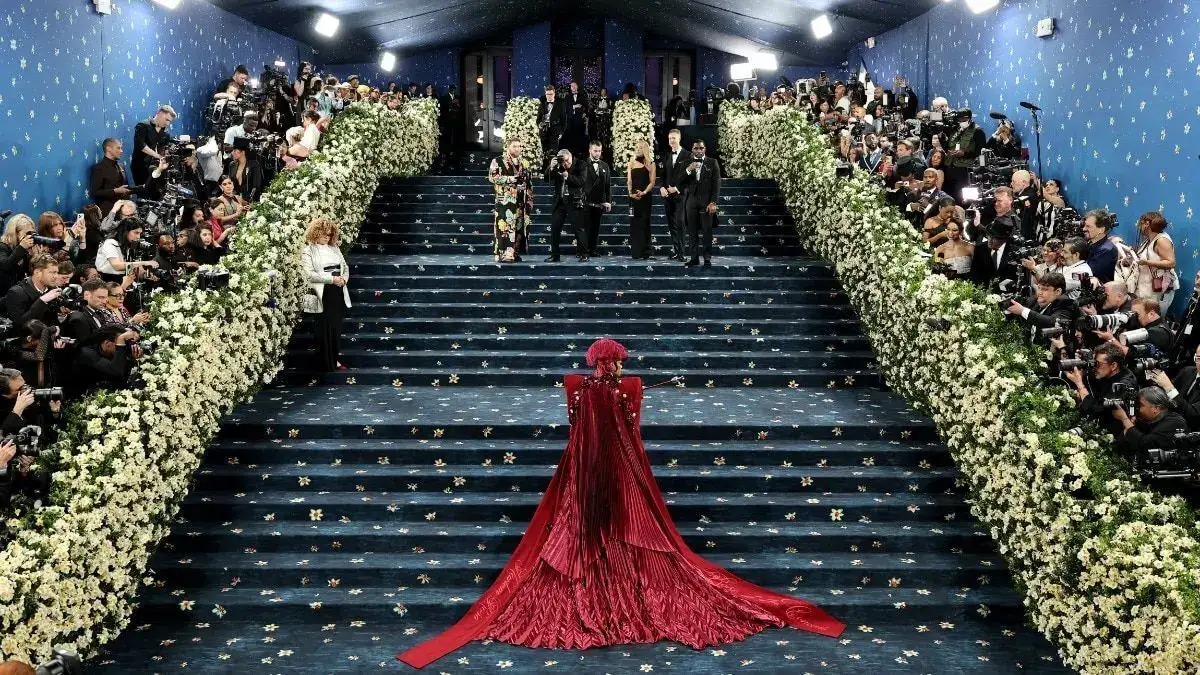
A company based in the state has been responsible for weaving the Met Gala carpet for multiple years, bringing Indian craftsmanship to a global stage without much spotlight.
The process is far from simple.
Creating a carpet for an event of this scale requires months of preparation. It begins with design discussions that align with the theme of the event. The colour, texture, and finish must complement not just the aesthetic of the evening, but also the expectations of a global audience.
Once the design is finalised, the work shifts to execution. Skilled artisans handle the weaving process, ensuring precision at every step. Unlike standard carpets, this one must meet both visual and functional demands. It needs to look flawless under intense lighting and constant photography, while also being durable enough to handle heavy foot traffic.
There is also a logistical challenge.
The carpet has to be produced, packed, and transported internationally within strict timelines. Any delay can disrupt preparations for an event that operates on a highly coordinated schedule.
What makes this story significant is not just the scale, but the continuity.
The fact that the same Kerala-based company has been trusted repeatedly reflects consistency in quality. In global events where every detail is scrutinised, reliability becomes as important as creativity.
This is also a reflection of India’s textile legacy.
Kerala, known for its traditional weaving practices, has long been part of the country’s larger craft ecosystem. While these skills are often associated with local markets and heritage products, their application in global luxury events shows how adaptable they are.
The Met Gala carpet becomes a bridge between tradition and modernity.
On one hand, it carries techniques that have been passed down through generations. On the other, it is designed for a contemporary event that defines global fashion trends.
There is also an economic dimension.
Projects like these highlight how Indian companies are contributing to international industries, often behind the scenes. While the spotlight remains on celebrities and designers, the infrastructure supporting these events is equally global.
For audiences in India, this connection adds a different layer to the Met Gala. It is not just an international spectacle. It also carries a subtle imprint of Indian craftsmanship.
In simple terms, the story of the Met Gala carpet is not about visibility. It is about presence. A presence that may not always be acknowledged on the red carpet, but is undeniably part of it.
A company based in the state has been responsible for weaving the Met Gala carpet for multiple years, bringing Indian craftsmanship to a global stage without much spotlight.
The process is far from simple.
Creating a carpet for an event of this scale requires months of preparation. It begins with design discussions that align with the theme of the event. The colour, texture, and finish must complement not just the aesthetic of the evening, but also the expectations of a global audience.
Once the design is finalised, the work shifts to execution. Skilled artisans handle the weaving process, ensuring precision at every step. Unlike standard carpets, this one must meet both visual and functional demands. It needs to look flawless under intense lighting and constant photography, while also being durable enough to handle heavy foot traffic.
There is also a logistical challenge.
The carpet has to be produced, packed, and transported internationally within strict timelines. Any delay can disrupt preparations for an event that operates on a highly coordinated schedule.
What makes this story significant is not just the scale, but the continuity.
The fact that the same Kerala-based company has been trusted repeatedly reflects consistency in quality. In global events where every detail is scrutinised, reliability becomes as important as creativity.
You may also like
- Lokesh Kanagaraj launches title of Rishikanth, Anishma Anilkumar's film
- Meet the butterfly with the most chromosomes in the world: A tiny insect that stunned scientists with its 229 chromosome pairs
- Academy introduces major changes for international films, acting categories
- Rajinikanth temple marks Labour Day with Baashha-themed tribute to workers
- Conway dies at 73 after pancreatic cancer wrote Spider-Man arc
This is also a reflection of India’s textile legacy.
Kerala, known for its traditional weaving practices, has long been part of the country’s larger craft ecosystem. While these skills are often associated with local markets and heritage products, their application in global luxury events shows how adaptable they are.
The Met Gala carpet becomes a bridge between tradition and modernity.
On one hand, it carries techniques that have been passed down through generations. On the other, it is designed for a contemporary event that defines global fashion trends.
There is also an economic dimension.
Projects like these highlight how Indian companies are contributing to international industries, often behind the scenes. While the spotlight remains on celebrities and designers, the infrastructure supporting these events is equally global.
For audiences in India, this connection adds a different layer to the Met Gala. It is not just an international spectacle. It also carries a subtle imprint of Indian craftsmanship.
In simple terms, the story of the Met Gala carpet is not about visibility. It is about presence. A presence that may not always be acknowledged on the red carpet, but is undeniably part of it.






More from our partners


Loving Newspoint? Download the app now
