
Koh-i-Noor Back in Debate: Why a New York Mayor Raised India’s Old Demand

The Koh-i-Noor diamond has once again returned to global headlines, this time not from India or the United Kingdom, but from the United States.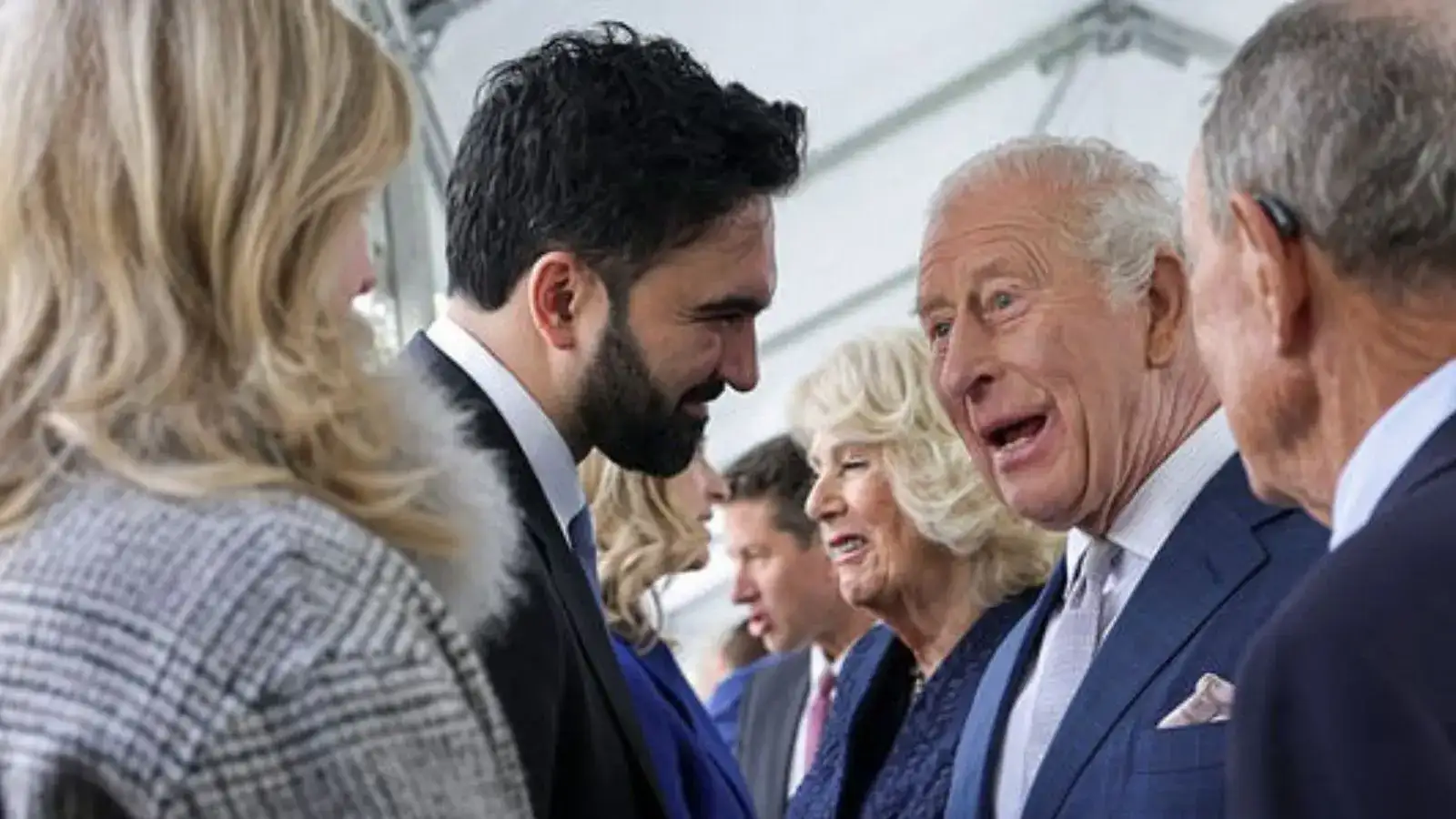
During British monarch King Charles III’s recent visit to New York, the city’s mayor Zohran Mamdani made a pointed remark. If given the chance, he said, he would encourage the King to return the Koh-i-Noor diamond to India.
At one level, it was a brief comment made ahead of a ceremonial event. But it quickly gained attention because it touched a deeply sensitive and unresolved issue.
The Koh-i-Noor is not just a diamond. It is one of the most contested symbols of colonial history. Weighing over 100 carats, the gem was taken by the British after the annexation of Punjab in 1849 and later presented to Queen Victoria. Since then, it has remained part of the British Crown Jewels.
India has, for decades, demanded its return. The argument is rooted in history. The diamond was acquired under colonial rule, and many in India see it as a symbol of exploitation rather than a legitimate transfer of ownership.
What makes Mamdani’s remark significant is not just what he said, but where it came from. As a mayor in the United States, his statement reflects how the debate over colonial artefacts is no longer confined to former colonies. It has become part of a broader global conversation about restitution and historical justice.
At the same time, the issue remains complex. The United Kingdom has consistently maintained that the diamond’s ownership is legally settled under historical agreements. There are also competing claims from other countries, including Pakistan, Iran, and Afghanistan, each linking the gem to their own historical narratives.
Despite these complications, the emotional weight of the Koh-i-Noor in India remains strong. It is not just about the value of the diamond, but what it represents. Colonial memory, lost sovereignty, and the question of whether historical wrongs can or should be corrected today.
Interestingly, Mamdani later met King Charles at a public event, but it remains unclear whether the issue was raised directly in conversation. Buckingham Palace did not comment, and there has been no official response to the remark.
That silence, however, is not unusual. The Koh-i-Noor debate has surfaced repeatedly over the years, often during moments of political or diplomatic attention, but has rarely led to concrete action.
What has changed is the frequency and geography of these conversations. Calls for the return of colonial-era artefacts are now being made across institutions, governments, and public platforms worldwide.
In simple terms, Mamdani’s statement did not create a new demand.It amplified an old one.
And as long as questions around colonial legacy remain unresolved, the Koh-i-Noor will continue to be more than a jewel. It will remain a symbol of a past that still shapes present-day politics.
During British monarch King Charles III’s recent visit to New York, the city’s mayor Zohran Mamdani made a pointed remark. If given the chance, he said, he would encourage the King to return the Koh-i-Noor diamond to India.
At one level, it was a brief comment made ahead of a ceremonial event. But it quickly gained attention because it touched a deeply sensitive and unresolved issue.
The Koh-i-Noor is not just a diamond. It is one of the most contested symbols of colonial history. Weighing over 100 carats, the gem was taken by the British after the annexation of Punjab in 1849 and later presented to Queen Victoria. Since then, it has remained part of the British Crown Jewels.
India has, for decades, demanded its return. The argument is rooted in history. The diamond was acquired under colonial rule, and many in India see it as a symbol of exploitation rather than a legitimate transfer of ownership.
You may also like
- TV actor Sambhavna Seth, husband Avinash Dwivedi announce pregnancy
- LeAnn Rimes postpones multiple concerts due to 'severe illness'
- Samantha Ruth Prabhu's 'Maa Inti Bangaaram' release date may change
- 100-foot Vishnuvardhan cutout crashes on busy Bengaluru road; Internet reacts
- 'Ek Din' releases tomorrow: Cast, plot, runtime, and more
What makes Mamdani’s remark significant is not just what he said, but where it came from. As a mayor in the United States, his statement reflects how the debate over colonial artefacts is no longer confined to former colonies. It has become part of a broader global conversation about restitution and historical justice.
At the same time, the issue remains complex. The United Kingdom has consistently maintained that the diamond’s ownership is legally settled under historical agreements. There are also competing claims from other countries, including Pakistan, Iran, and Afghanistan, each linking the gem to their own historical narratives.
Despite these complications, the emotional weight of the Koh-i-Noor in India remains strong. It is not just about the value of the diamond, but what it represents. Colonial memory, lost sovereignty, and the question of whether historical wrongs can or should be corrected today.
Interestingly, Mamdani later met King Charles at a public event, but it remains unclear whether the issue was raised directly in conversation. Buckingham Palace did not comment, and there has been no official response to the remark.
That silence, however, is not unusual. The Koh-i-Noor debate has surfaced repeatedly over the years, often during moments of political or diplomatic attention, but has rarely led to concrete action.
What has changed is the frequency and geography of these conversations. Calls for the return of colonial-era artefacts are now being made across institutions, governments, and public platforms worldwide.
In simple terms, Mamdani’s statement did not create a new demand.It amplified an old one.
And as long as questions around colonial legacy remain unresolved, the Koh-i-Noor will continue to be more than a jewel. It will remain a symbol of a past that still shapes present-day politics.






More from our partners


Loving Newspoint? Download the app now
