
Mahesh Bhatt Birthday Special: 5 Powerful Films That Showcase His Filmmaking Legacy

Mahesh Bhatt, one of Hindi cinema’s most recognised filmmakers, celebrates his birthday on 20 September. Born in 1948, Bhatt has built a career around emotionally intense stories, complex characters and films that often explore relationships, personal struggles and social realities.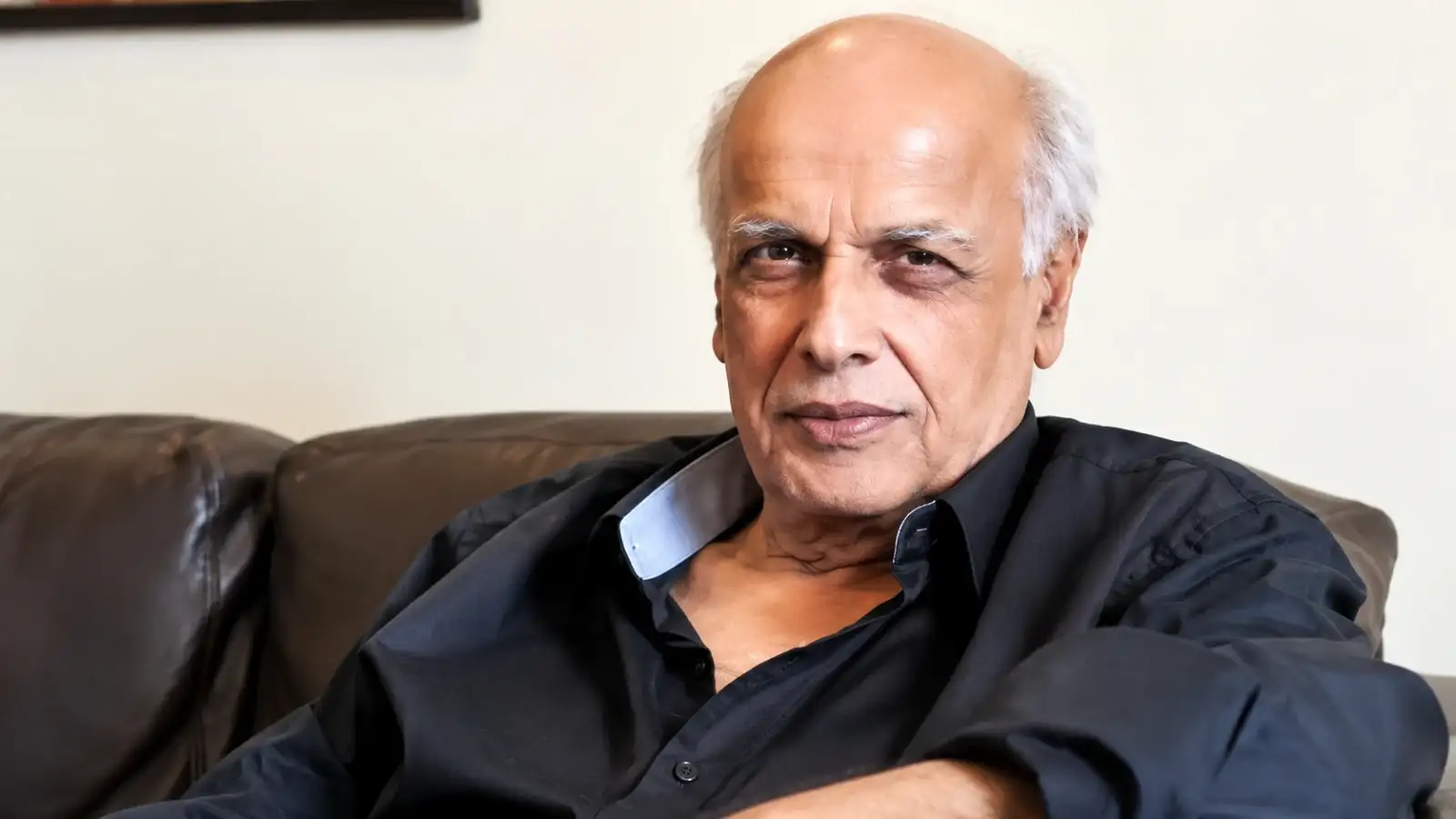
Over the decades, he has worked as a director, producer and screenwriter. His filmography includes critically acclaimed dramas, romantic films and commercially successful projects. His work during the 1980s and 1990s helped establish a distinctive style of Hindi filmmaking that combined personal storytelling with popular entertainment.
On the occasion of Mahesh Bhatt’s birthday, here is a look at his cinematic journey and five notable films associated with his directorial career.
His breakthrough period included films such as Arth , Saaransh , Naam, Aashiqui and Dil Hai Ki Manta Nahin . He also directed films that addressed personal and social issues through intimate storytelling rather than relying only on conventional commercial formulas.
Bhatt has also been associated with the Vishesh Films banner, which he co-founded with his brother Mukesh Bhatt. Over the years, his work has influenced several actors, writers and filmmakers in the Hindi film industry.
The film stars Shabana Azmi, Kulbhushan Kharbanda and Smita Patil in central roles. Its story focuses on a woman who is forced to reassess her life after her marriage faces a serious crisis.
Rather than presenting relationships through a simple romantic lens, Arth examines emotional pain, self-respect and personal independence. The film’s restrained storytelling and strong performances made it an important work in Hindi parallel cinema.
Arth also holds a special place in Bhatt’s career because of its personal and semi-autobiographical elements. It helped establish his reputation as a filmmaker willing to address complicated emotional subjects.
Anupam Kher plays the role of BV Pradhan, a retired schoolteacher who is dealing with grief, anger and a crisis of faith. Rohini Hattangadi plays his wife, Parvati.
The film explores loss, helplessness, corruption and the emotional impact of tragedy on an ordinary family. Its narrative is deeply personal but also reflects broader social concerns.
Saaransh received critical acclaim and was screened at the Moscow International Film Festival. It was also selected as India’s official entry for the Academy Award for Best Foreign Language Film for that year, although it did not receive a nomination.
The film remains significant for its mature treatment of grief and its powerful performances.
The film stars Rahul Roy and Anu Aggarwal as two young people whose relationship develops amid personal challenges and professional ambitions. Its story explores love, sacrifice, insecurity and the pressures that can affect a romantic relationship.
The soundtrack, composed by Nadeem-Shravan, became one of the defining features of the film. Songs such as ‘Dheere Dheere Se’ and ‘Nazar Ke Saamne’ became widely popular and helped establish the film as a landmark musical romance.
Aashiqui demonstrated Bhatt’s ability to connect emotionally driven storytelling with mainstream audience preferences. It also became an important cultural reference point for romantic films of the early 1990s.
The film combines romance, comedy, music and travel with a story about personal choice and emotional discovery. Its narrative was influenced by the structure of classic road romances, while retaining a distinctly Indian setting and tone.
Aamir Khan and Pooja Bhatt’s performances contributed to the film’s appeal, while its music became an important part of its popularity.
The film is remembered for its light-hearted storytelling, memorable characters and engaging chemistry between its lead actors. It also showed another side of Mahesh Bhatt’s directorial style, which could move between serious dramas and accessible romantic entertainment.
Ajay Devgn plays the central character, while Pooja Bhatt and Nagarjuna also appear in important roles. The film draws upon themes connected with identity, memory, social divisions and the emotional consequences of communal conflict.
Zakhm is notable for its serious subject matter and its examination of how personal histories can be affected by wider social tensions. It is often discussed as one of the more personal and politically sensitive films in Bhatt’s body of work.
Zakhm, meanwhile, examines identity, memory and communal tension through a personal narrative.
Together, these films demonstrate the range of subjects associated with Bhatt’s cinema. They also show how Hindi films can combine personal experiences with larger questions about relationships, society and individual choice.
Mahesh Bhatt’s contribution to Hindi cinema extends across several decades and genres. His films have explored love, loss, family, identity and social conflict through stories that often place human emotions at the centre.
On his birthday, revisiting films such as Arth, Saaransh, Aashiqui, Dil Hai Ki Manta Nahin and Zakhm offers an opportunity to understand the different creative phases of his career.
These films remain part of discussions around Hindi cinema because of their performances, music, themes and distinctive storytelling approaches.
Over the decades, he has worked as a director, producer and screenwriter. His filmography includes critically acclaimed dramas, romantic films and commercially successful projects. His work during the 1980s and 1990s helped establish a distinctive style of Hindi filmmaking that combined personal storytelling with popular entertainment.
On the occasion of Mahesh Bhatt’s birthday, here is a look at his cinematic journey and five notable films associated with his directorial career.
Mahesh Bhatt’s Journey in Hindi Cinema
Mahesh Bhatt began his filmmaking career in the 1970s and gradually became known for exploring subjects that were often emotionally challenging and socially relevant. His films frequently focused on relationships, family conflicts, loneliness, ambition and personal redemption.His breakthrough period included films such as Arth , Saaransh , Naam, Aashiqui and Dil Hai Ki Manta Nahin . He also directed films that addressed personal and social issues through intimate storytelling rather than relying only on conventional commercial formulas.
Bhatt has also been associated with the Vishesh Films banner, which he co-founded with his brother Mukesh Bhatt. Over the years, his work has influenced several actors, writers and filmmakers in the Hindi film industry.
1. Arth, 1982
Arth is widely regarded as one of Mahesh Bhatt’s most important films. The drama explores marriage, emotional dependence, betrayal and the process of rebuilding one’s identity after a relationship breaks down.The film stars Shabana Azmi, Kulbhushan Kharbanda and Smita Patil in central roles. Its story focuses on a woman who is forced to reassess her life after her marriage faces a serious crisis.
Rather than presenting relationships through a simple romantic lens, Arth examines emotional pain, self-respect and personal independence. The film’s restrained storytelling and strong performances made it an important work in Hindi parallel cinema.
Arth also holds a special place in Bhatt’s career because of its personal and semi-autobiographical elements. It helped establish his reputation as a filmmaker willing to address complicated emotional subjects.
2. Saaransh, 1984
Saaransh is another major film in Mahesh Bhatt’s career. The story follows an elderly couple who are struggling to cope with the death of their only son.Anupam Kher plays the role of BV Pradhan, a retired schoolteacher who is dealing with grief, anger and a crisis of faith. Rohini Hattangadi plays his wife, Parvati.
The film explores loss, helplessness, corruption and the emotional impact of tragedy on an ordinary family. Its narrative is deeply personal but also reflects broader social concerns.
Saaransh received critical acclaim and was screened at the Moscow International Film Festival. It was also selected as India’s official entry for the Academy Award for Best Foreign Language Film for that year, although it did not receive a nomination.
The film remains significant for its mature treatment of grief and its powerful performances.
3. Aashiqui, 1990
Aashiqui marked a major shift in Mahesh Bhatt’s career, bringing together romance, music and emotional drama in a commercially successful format.The film stars Rahul Roy and Anu Aggarwal as two young people whose relationship develops amid personal challenges and professional ambitions. Its story explores love, sacrifice, insecurity and the pressures that can affect a romantic relationship.
The soundtrack, composed by Nadeem-Shravan, became one of the defining features of the film. Songs such as ‘Dheere Dheere Se’ and ‘Nazar Ke Saamne’ became widely popular and helped establish the film as a landmark musical romance.
Aashiqui demonstrated Bhatt’s ability to connect emotionally driven storytelling with mainstream audience preferences. It also became an important cultural reference point for romantic films of the early 1990s.
4. Dil Hai Ki Manta Nahin, 1991
Dil Hai Ki Manta Nahin is a romantic road film starring Aamir Khan and Pooja Bhatt. It follows a young woman who leaves home and embarks on a journey, during which she develops a close bond with a journalist.The film combines romance, comedy, music and travel with a story about personal choice and emotional discovery. Its narrative was influenced by the structure of classic road romances, while retaining a distinctly Indian setting and tone.
Aamir Khan and Pooja Bhatt’s performances contributed to the film’s appeal, while its music became an important part of its popularity.
The film is remembered for its light-hearted storytelling, memorable characters and engaging chemistry between its lead actors. It also showed another side of Mahesh Bhatt’s directorial style, which could move between serious dramas and accessible romantic entertainment.
5. Zakhm , 1998
Zakhm is a deeply personal drama that explores religious identity, family relationships and communal tension. The film follows a man who confronts painful memories about his mother and his family background during a period of social unrest.Ajay Devgn plays the central character, while Pooja Bhatt and Nagarjuna also appear in important roles. The film draws upon themes connected with identity, memory, social divisions and the emotional consequences of communal conflict.
Zakhm is notable for its serious subject matter and its examination of how personal histories can be affected by wider social tensions. It is often discussed as one of the more personal and politically sensitive films in Bhatt’s body of work.
Why These Films Still Matter
The selected films represent different phases of Mahesh Bhatt’s career. Arth and Saaransh focus on emotional and social dilemmas, while Aashiqui and Dil Hai Ki Manta Nahin explore romance and popular storytelling.Zakhm, meanwhile, examines identity, memory and communal tension through a personal narrative.
Together, these films demonstrate the range of subjects associated with Bhatt’s cinema. They also show how Hindi films can combine personal experiences with larger questions about relationships, society and individual choice.
Mahesh Bhatt’s contribution to Hindi cinema extends across several decades and genres. His films have explored love, loss, family, identity and social conflict through stories that often place human emotions at the centre.
On his birthday, revisiting films such as Arth, Saaransh, Aashiqui, Dil Hai Ki Manta Nahin and Zakhm offers an opportunity to understand the different creative phases of his career.
These films remain part of discussions around Hindi cinema because of their performances, music, themes and distinctive storytelling approaches.
Next Story