
‘I Worked Till the End’: Neha Dhupia Recalls Experiencing Contractions While Shooting

For many years, pregnancy in the film industry has often been associated with stepping away from work, at least temporarily. The expectation has been clear. Slow down, prioritise rest, and return only after motherhood settles into routine.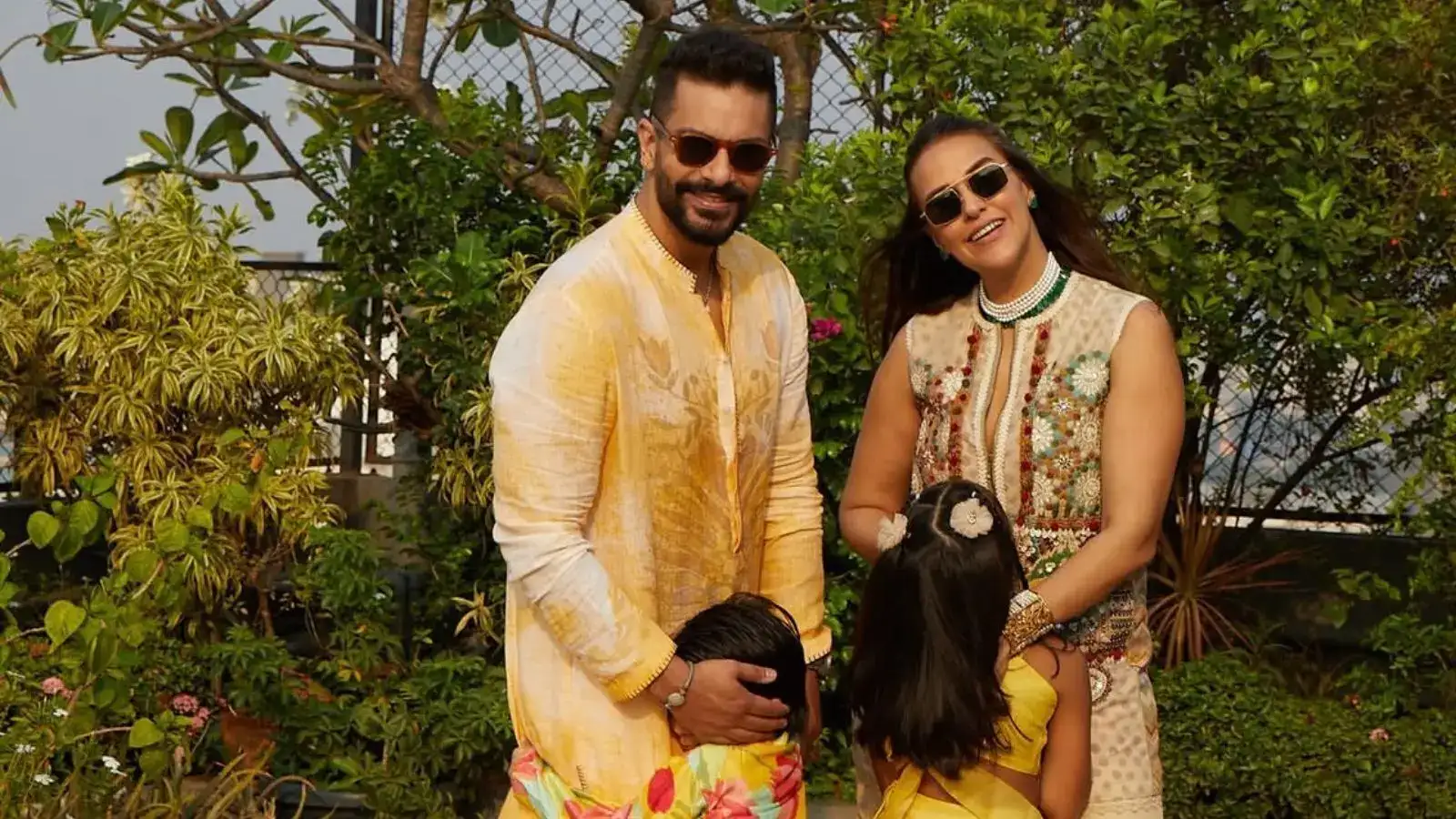
But stories like that of Neha Dhupia are gradually reshaping that narrative.
In a recent conversation, the actor shared a deeply personal moment from her pregnancy journey. She revealed that she continued working until the very final stages and even experienced labour contractions while she was on a film set at Yash Raj Studios. The revelation has sparked conversations around how working women, especially in demanding industries like cinema, navigate motherhood.
Dhupia spoke about working until she was nearly eight and a half months pregnant, staying committed to her professional responsibilities despite the physical demands. For her, continuing to work was not just about obligation but also about choice. She emphasised that becoming a mother should not automatically redefine a woman’s ambitions or limit her decisions.
This perspective reflects a broader shift in how pregnancy and careers are being viewed today. Increasingly, women are challenging the idea that motherhood must come at the cost of professional identity. Instead of choosing one over the other, many are attempting to strike a balance, even in high pressure environments.
Dhupia’s experience also highlights the realities behind that balance. Working through pregnancy is not always easy. It involves navigating physical discomfort, fatigue, and constant adjustments. In her case, the fact that contractions began while she was still on set underscores just how demanding that commitment can be.
At the same time, her story is not framed as a recommendation for all, but rather as a reflection of personal choice. Not every pregnancy journey looks the same, and not every individual may want or be able to continue working in similar circumstances. What stands out is the agency behind the decision.
The conversation also touches on societal expectations placed on mothers. Women in the public eye are often judged for how they manage their personal and professional lives. Whether it is working too much or stepping back too soon, scrutiny tends to follow. Dhupia’s comments challenge that lens, suggesting that the “right” way to approach motherhood can differ from person to person.
Beyond the individual story, there is also a larger industry context. The entertainment industry, like many others, has slowly begun adapting to more inclusive work environments. Conversations around maternity policies, flexible schedules, and support systems are becoming more visible, although there is still progress to be made.
Dhupia’s journey also brings attention to the emotional aspect of motherhood. Alongside the physical experience, there is the mental negotiation of identity, responsibility, and ambition. For many women, including those in the public eye, these layers coexist rather than replace one another.
In the end, her story is less about a single moment on a film set and more about a changing mindset.
It reflects a world where motherhood and career are no longer seen as opposing paths, but as parallel journeys that women are increasingly defining on their own terms.
But stories like that of Neha Dhupia are gradually reshaping that narrative.
In a recent conversation, the actor shared a deeply personal moment from her pregnancy journey. She revealed that she continued working until the very final stages and even experienced labour contractions while she was on a film set at Yash Raj Studios. The revelation has sparked conversations around how working women, especially in demanding industries like cinema, navigate motherhood.
Dhupia spoke about working until she was nearly eight and a half months pregnant, staying committed to her professional responsibilities despite the physical demands. For her, continuing to work was not just about obligation but also about choice. She emphasised that becoming a mother should not automatically redefine a woman’s ambitions or limit her decisions.
This perspective reflects a broader shift in how pregnancy and careers are being viewed today. Increasingly, women are challenging the idea that motherhood must come at the cost of professional identity. Instead of choosing one over the other, many are attempting to strike a balance, even in high pressure environments.
You may also like
- Deepika Padukone and Ranveer Singh's throwback 'Nashe Si Chadh Gayi' dance clip goes viral after second pregnancy announcement
- Murder case: D4vd's team pushes for public release of evidence
- Abhay Deol revisits 'Dev.D' ahead of re-release, shares memory of 'creative flow' with Anurag Kashyap
- Battle of revenge, dreams, ambition intensifies in Sapne vs Everyone 2 trailer, to stream from May 1
- Swastika Mukherjee highlights electoral issues, says she can't vote in West Bengal elections 2026 - Know the reason here
Dhupia’s experience also highlights the realities behind that balance. Working through pregnancy is not always easy. It involves navigating physical discomfort, fatigue, and constant adjustments. In her case, the fact that contractions began while she was still on set underscores just how demanding that commitment can be.
At the same time, her story is not framed as a recommendation for all, but rather as a reflection of personal choice. Not every pregnancy journey looks the same, and not every individual may want or be able to continue working in similar circumstances. What stands out is the agency behind the decision.
The conversation also touches on societal expectations placed on mothers. Women in the public eye are often judged for how they manage their personal and professional lives. Whether it is working too much or stepping back too soon, scrutiny tends to follow. Dhupia’s comments challenge that lens, suggesting that the “right” way to approach motherhood can differ from person to person.
Beyond the individual story, there is also a larger industry context. The entertainment industry, like many others, has slowly begun adapting to more inclusive work environments. Conversations around maternity policies, flexible schedules, and support systems are becoming more visible, although there is still progress to be made.
Dhupia’s journey also brings attention to the emotional aspect of motherhood. Alongside the physical experience, there is the mental negotiation of identity, responsibility, and ambition. For many women, including those in the public eye, these layers coexist rather than replace one another.
In the end, her story is less about a single moment on a film set and more about a changing mindset.
It reflects a world where motherhood and career are no longer seen as opposing paths, but as parallel journeys that women are increasingly defining on their own terms.






More from our partners


Loving Newspoint? Download the app now
