
5 Non-Japanese Animated Series That Feel Like Anime at Its Best

Anime's influence has travelled far beyond Japan. Its distinctive visual language, dramatic storytelling, elaborate action and emotionally layered characters have inspired creators around the world. While these productions are not technically Japanese anime, several have developed their own identity while borrowing elements that anime fans immediately recognise.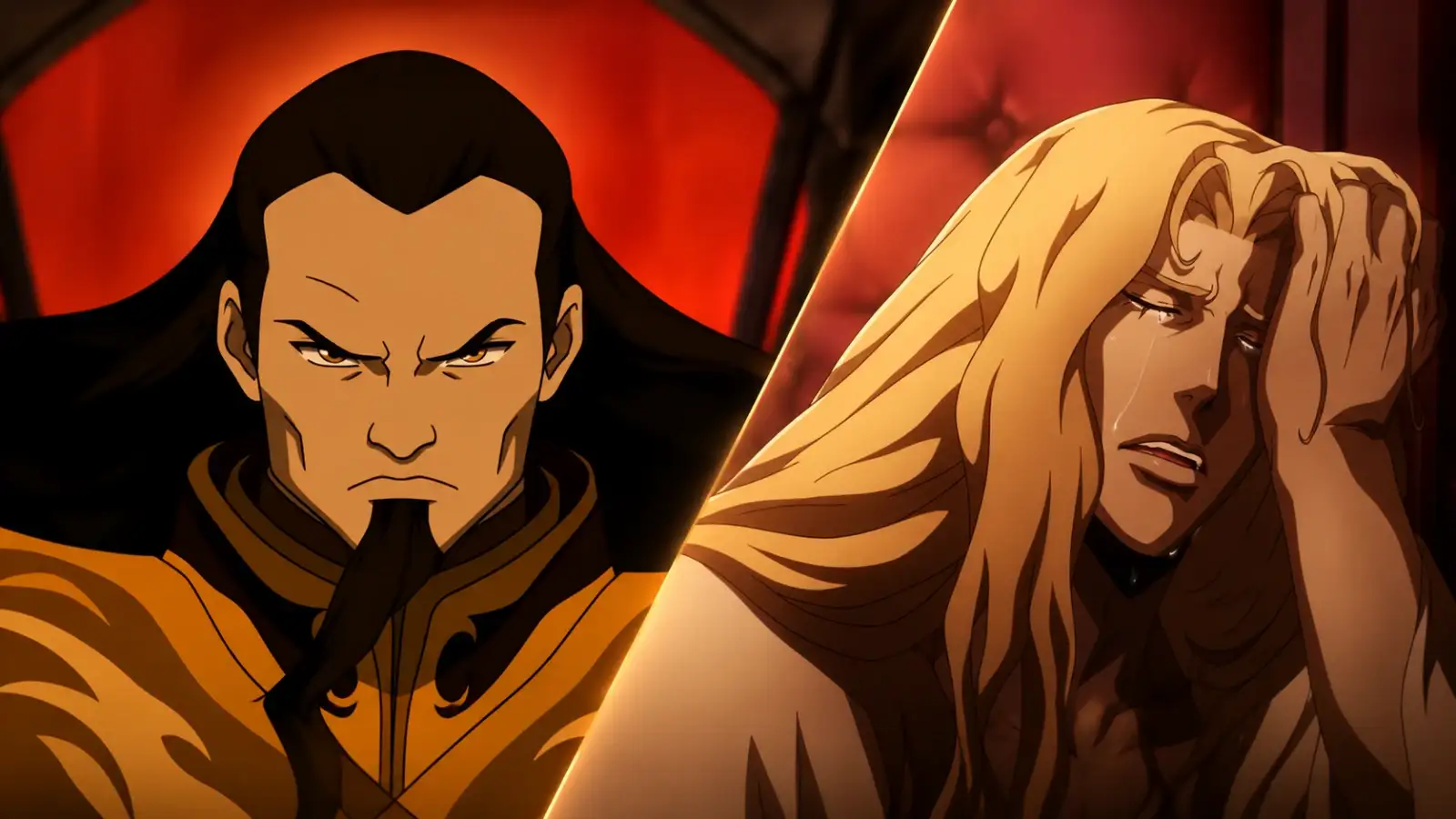
From fantasy adventures and supernatural thrillers to social satire and gothic horror, these shows demonstrate how flexible the anime-inspired format can be.
The concept initially sounds like a clever science-fiction gimmick, but the series quickly turns it into an emotional source of tension. Cheng can inhabit the person captured in a photograph, allowing him to experience their emotions and circumstances directly. Lu Guang, meanwhile, attempts to keep events under control by observing what happened and guiding his friend.
The central rule is simple: changing the past can have devastating consequences. That creates tension even during seemingly ordinary missions.
As the story progresses, Link Click develops into a tightly constructed mystery thriller filled with emotional revelations and unexpected twists. Its combination of expressive animation, suspense and character-driven storytelling makes it particularly appealing to viewers who enjoy anime with complicated narratives.
At its centre is Dracula, whose hatred of humanity begins after the death of his wife, Lisa. Rather than presenting him as a straightforward monster, the series explores the grief and anger that gradually consume him. His decision to wage war on humanity becomes both horrifying and strangely understandable.
Trevor Belmont, Sypha Belnades and Alucard become the central figures standing against Dracula's forces. Their personalities and conflicting motivations give the story considerably more depth than a simple battle between heroes and villains.
The animation is particularly effective during combat, with fluid movement and brutal choreography that capture the intensity many anime fans expect from action series. At the same time, the show develops its own gothic atmosphere through dark castles, supernatural creatures and morally complicated characters.
The series follows a dysfunctional group of adventurers whose personalities are almost as entertaining as the threats they face. They are selfish, reckless and frequently responsible for creating their own problems, but their relationships gradually become the emotional core of the story.
The fantasy world is filled with dragons, magic, political conflicts and dangerous creatures, while the characters continue to evolve through their adventures. Each member of Vox Machina has personal weaknesses and unresolved issues that become increasingly important as the stakes rise.
Its combination of mature humour, graphic action and high fantasy gives the series a distinct identity. It also demonstrates how effectively the storytelling principles of tabletop role-playing games can translate into animation.
The story follows Aang, the last surviving Air Nomad and the Avatar, as he learns to control the four elements while preparing to confront the Fire Nation and end the Hundred Year War.
What makes the series particularly effective is the detail behind its world. The four nations are influenced by different Asian, Arctic and Indigenous cultures, while their martial arts, philosophies and traditions are reflected in the characters' abilities.
The story also gives its supporting cast meaningful development. Zuko's transformation from an angry prince obsessed with capturing Aang into someone capable of questioning his family's ideology remains one of the show's strongest character arcs.
Despite being aimed primarily at younger audiences, the series does not avoid difficult subjects. War, displacement, authoritarianism, grief and personal responsibility all become important parts of the narrative.
Its combination of worldbuilding, humour, action and character development explains why Avatar: The Last Airbender continues to attract new audiences decades after its debut.
The show's visual style draws noticeable influence from anime, particularly in its action sequences and expressive character animation. But its greatest strength lies in its writing.
Through Huey, Riley and their grandfather Robert, the series explores race, class, politics, cultural identity and social contradictions in America. Its comedy can be deliberately provocative, but the controversy is often part of the point.
The series is not afraid to mock almost everyone. Its satire targets individuals, institutions and cultural attitudes without making itself comfortable for too long.
That combination of anime-inspired visuals and fearless social commentary gives The Boondocks a personality that remains difficult to replicate.
Avatar: The Last Airbender builds an expansive fantasy world, Castlevania embraces gothic horror, Link Click uses anime-style storytelling for psychological suspense, The Legend of Vox Machina transforms tabletop fantasy into animation, and The Boondocks uses the medium for uncompromising satire.
None of these series needs to be Japanese to demonstrate why anime has become such a powerful global influence.
From fantasy adventures and supernatural thrillers to social satire and gothic horror, these shows demonstrate how flexible the anime-inspired format can be.
1. Link Click Turns Photography Into a Dangerous Time-Travel Tool
Link Click comes from China and follows Cheng Xiaoshi and Lu Guang, two friends who operate a small photography studio. Their unusual ability allows them to enter photographs and experience events from the past.The concept initially sounds like a clever science-fiction gimmick, but the series quickly turns it into an emotional source of tension. Cheng can inhabit the person captured in a photograph, allowing him to experience their emotions and circumstances directly. Lu Guang, meanwhile, attempts to keep events under control by observing what happened and guiding his friend.
The central rule is simple: changing the past can have devastating consequences. That creates tension even during seemingly ordinary missions.
As the story progresses, Link Click develops into a tightly constructed mystery thriller filled with emotional revelations and unexpected twists. Its combination of expressive animation, suspense and character-driven storytelling makes it particularly appealing to viewers who enjoy anime with complicated narratives.
2. Castlevania Gives Gothic Fantasy a Dark New Identity
Netflix's Castlevania takes the mythology of the classic video-game franchise and expands it into a much broader gothic fantasy story.At its centre is Dracula, whose hatred of humanity begins after the death of his wife, Lisa. Rather than presenting him as a straightforward monster, the series explores the grief and anger that gradually consume him. His decision to wage war on humanity becomes both horrifying and strangely understandable.
Trevor Belmont, Sypha Belnades and Alucard become the central figures standing against Dracula's forces. Their personalities and conflicting motivations give the story considerably more depth than a simple battle between heroes and villains.
The animation is particularly effective during combat, with fluid movement and brutal choreography that capture the intensity many anime fans expect from action series. At the same time, the show develops its own gothic atmosphere through dark castles, supernatural creatures and morally complicated characters.
3. The Legend of Vox Machina Turns a D&D Campaign Into Epic Fantasy
Adapting a lengthy tabletop campaign into an animated series could easily have resulted in an overcrowded story. The Legend of Vox Machina manages to make its enormous source material feel surprisingly accessible.The series follows a dysfunctional group of adventurers whose personalities are almost as entertaining as the threats they face. They are selfish, reckless and frequently responsible for creating their own problems, but their relationships gradually become the emotional core of the story.
The fantasy world is filled with dragons, magic, political conflicts and dangerous creatures, while the characters continue to evolve through their adventures. Each member of Vox Machina has personal weaknesses and unresolved issues that become increasingly important as the stakes rise.
Its combination of mature humour, graphic action and high fantasy gives the series a distinct identity. It also demonstrates how effectively the storytelling principles of tabletop role-playing games can translate into animation.
4. Avatar: The Last Airbender Remains a Benchmark for Fantasy Animation
Few Western animated series have achieved the lasting reputation of Avatar: The Last Airbender.The story follows Aang, the last surviving Air Nomad and the Avatar, as he learns to control the four elements while preparing to confront the Fire Nation and end the Hundred Year War.
What makes the series particularly effective is the detail behind its world. The four nations are influenced by different Asian, Arctic and Indigenous cultures, while their martial arts, philosophies and traditions are reflected in the characters' abilities.
The story also gives its supporting cast meaningful development. Zuko's transformation from an angry prince obsessed with capturing Aang into someone capable of questioning his family's ideology remains one of the show's strongest character arcs.
Despite being aimed primarily at younger audiences, the series does not avoid difficult subjects. War, displacement, authoritarianism, grief and personal responsibility all become important parts of the narrative.
Its combination of worldbuilding, humour, action and character development explains why Avatar: The Last Airbender continues to attract new audiences decades after its debut.
5. The Boondocks Uses Anime-Inspired Animation for Sharp Social Satire
The Boondocks takes a very different approach from fantasy adventures and supernatural thrillers. Created by Aaron McGruder, the American animated series follows the Freeman family after they move into a predominantly white suburban community.The show's visual style draws noticeable influence from anime, particularly in its action sequences and expressive character animation. But its greatest strength lies in its writing.
Through Huey, Riley and their grandfather Robert, the series explores race, class, politics, cultural identity and social contradictions in America. Its comedy can be deliberately provocative, but the controversy is often part of the point.
The series is not afraid to mock almost everyone. Its satire targets individuals, institutions and cultural attitudes without making itself comfortable for too long.
That combination of anime-inspired visuals and fearless social commentary gives The Boondocks a personality that remains difficult to replicate.
Why Anime's Influence Keeps Growing
These shows demonstrate that anime's influence is no longer limited to visual imitation. Creators outside Japan have borrowed its approach to character development, action, worldbuilding and emotional storytelling while adapting those ideas to their own cultures and audiences.Avatar: The Last Airbender builds an expansive fantasy world, Castlevania embraces gothic horror, Link Click uses anime-style storytelling for psychological suspense, The Legend of Vox Machina transforms tabletop fantasy into animation, and The Boondocks uses the medium for uncompromising satire.
None of these series needs to be Japanese to demonstrate why anime has become such a powerful global influence.
Next Story