
8 Classic Toonami Anime That Never Reached Their Full Potential

The 1990s helped introduce anime to a new generation of viewers through American television. Toonami played an important role in bringing Japanese animation into living rooms, turning several series into memorable favourites. However, not every show received the same opportunity to succeed. Some were heavily edited, others aired for only a handful of episodes, while a few were placed on platforms that were difficult for young viewers to access. Despite their interesting characters, imaginative settings and distinctive storytelling, these anime struggled to find an audience. Here are eight overlooked titles that deserved a better opportunity.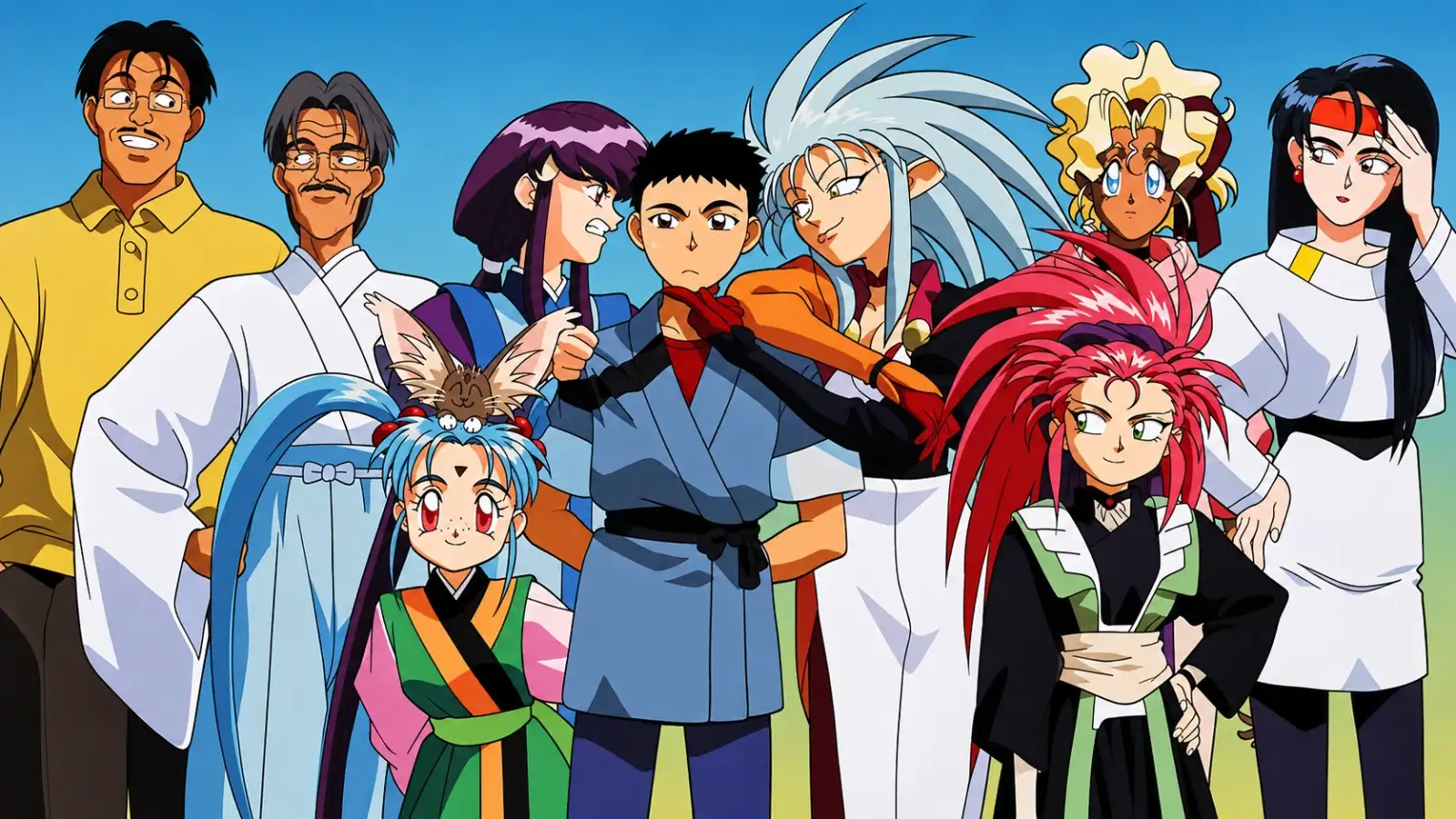
The series follows Gene Starwind, an outlaw who acquires a powerful spaceship known as the Outlaw Star. Alongside his unusual crew, including Melfina, Aisha Clanclan and Suzuka, Gene travels across space in search of the mysterious Galactic Leyline.
The journey features dangerous encounters, strange locations, humour and plenty of character conflicts. Gene is far from a perfect hero, and disagreements between crew members give the story additional personality.
Unfortunately, the Toonami broadcast was heavily edited, with one complete episode left out. These changes affected the original viewing experience and prevented television audiences from seeing the series in its intended form.
The story takes place in Paradigm City, where residents have lost their memories of the past. Roger Smith works as a negotiator, handling unusual situations across the city. When ordinary methods are not enough, he calls upon a giant robot known as Big O.
The series combines detective mysteries with giant robot battles, but its central attraction is the strange world surrounding Roger. Each case reveals another detail while introducing fresh questions about the city's history.
Its first season contained only 13 episodes, and its Toonami broadcast in 2001 was brief. Viewers looking for constant action may have overlooked its slower storytelling, although its distinctive atmosphere eventually earned it a dedicated following.
By the time it reached a newer generation of viewers, several more recent action anime were already competing for attention. Its presentation and animation therefore felt dated compared with contemporary shows.
The story follows a group of young defenders who combine their individual abilities to protect Earth from dangerous enemies. Each member contributes different skills, making teamwork an important part of the series.
Although the concept offered plenty of action and adventure, the show's older style made it harder to stand out. Its limited Toonami exposure also meant that many viewers never had enough time to become familiar with its characters and storyline.
At the time, reliable high-speed internet was far from universal. Watching complete anime episodes online was not as convenient as switching on the television after school, making the series difficult for many potential viewers to discover.
The story follows Parn, a young man who dreams of becoming a great knight. He joins a group of adventurers and becomes involved in a fantasy journey filled with magic, monsters and dangerous enemies.
Its traditional fantasy setting resembles the world of a role-playing adventure, with heroic characters and sinister forces shaping the journey. The story had the ingredients for a memorable fantasy anime, but its online-only availability limited its reach.
The anime follows Akito Tenkawa, a young man who initially dreams of becoming a chef. His plans take an unexpected turn when he joins the crew of a massive spaceship called the Nadesico.
The crew becomes involved in dangerous battles and complicated personal situations. Akito's love for fictional anime about heroic pilots adds another layer of humour, particularly because real warfare is far less entertaining than the adventures he enjoys watching.
The series balances comedy with serious science-fiction storytelling while frequently playing with familiar mecha anime conventions. Unfortunately, three episodes were not enough to demonstrate how effectively these contrasting elements worked together.
The story takes place in a future where much of Earth has been flooded. Humanity faces a dangerous threat from unusual aquatic creatures, creating a conflict involving survival, war and the relationship between humans and nature.
The anime also attracted attention for combining traditional animation with early computer-generated imagery. Its visual presentation looked different from many other shows of the period, which could be challenging for some viewers.
Despite its interesting premise and ambitious themes, the four-episode format left little room for deeper exploration. A longer series might have given audiences more time to connect with its characters and understand its world.
The series follows five young warriors who wear enchanted armour, with each character possessing distinctive abilities. Their battles against powerful enemies provide the action, while their personal struggles add emotional depth.
The samurai-inspired themes and Japanese cultural references were altered in the English version. As a result, some of the original identity of the series became less apparent to viewers.
The five warriors were not simply characters wearing impressive armour. Their journey also involved learning to trust one another, confronting personal fears and understanding their responsibilities. These elements gave the action greater meaning, but the altered presentation may have prevented some viewers from appreciating the full experience.
Ryoko, Ayeka, Sasami, Mihoshi and the other characters bring different personalities and comic situations into the story. Much of the entertainment comes from their interactions and the chaos surrounding Tenchi.
However, the Toonami television version was heavily adapted to suit a younger audience. Some content was removed or changed, and digital clothing was added to certain characters to make the programme more suitable for broadcast.
These alterations affected the original tone, particularly because the series was known for its harem comedy and suggestive humour. Although Tenchi Muyo! already had an established fanbase, the edited television presentation made it harder for new viewers to understand its appeal.
Toonami helped introduce countless viewers to Japanese animation, but not every series received the same opportunity. Many of these overlooked titles still offer interesting characters, imaginative worlds and storytelling approaches worth discovering today.
1. Outlaw Star Lost Important Story Elements Through TV Editing
Outlaw Star arrived on Toonami in January 2001, with another broadcast run later that year. Although it belonged to the same broad era as popular space anime such as Cowboy Bebop and Trigun, its American television presentation created problems for viewers trying to experience the complete story.The series follows Gene Starwind, an outlaw who acquires a powerful spaceship known as the Outlaw Star. Alongside his unusual crew, including Melfina, Aisha Clanclan and Suzuka, Gene travels across space in search of the mysterious Galactic Leyline.
The journey features dangerous encounters, strange locations, humour and plenty of character conflicts. Gene is far from a perfect hero, and disagreements between crew members give the story additional personality.
Unfortunately, the Toonami broadcast was heavily edited, with one complete episode left out. These changes affected the original viewing experience and prevented television audiences from seeing the series in its intended form.
2. The Big O Was Too Different From Typical Toonami Action Shows
While many Toonami favourites focused on fast-paced battles, The Big O took a slower and more mysterious approach. Its dark atmosphere, detective-style storytelling and gradual revelations made it different from the action-heavy anime commonly associated with the programming block.The story takes place in Paradigm City, where residents have lost their memories of the past. Roger Smith works as a negotiator, handling unusual situations across the city. When ordinary methods are not enough, he calls upon a giant robot known as Big O.
The series combines detective mysteries with giant robot battles, but its central attraction is the strange world surrounding Roger. Each case reveals another detail while introducing fresh questions about the city's history.
Its first season contained only 13 episodes, and its Toonami broadcast in 2001 was brief. Viewers looking for constant action may have overlooked its slower storytelling, although its distinctive atmosphere eventually earned it a dedicated following.
3. G-Force Struggled to Compete With Newer Anime
G-Force: Guardians of Space had an unusual disadvantage when it appeared on Toonami. The series was based on the older Japanese anime Science Ninja Team Gatchaman, originally released during the 1970s.By the time it reached a newer generation of viewers, several more recent action anime were already competing for attention. Its presentation and animation therefore felt dated compared with contemporary shows.
The story follows a group of young defenders who combine their individual abilities to protect Earth from dangerous enemies. Each member contributes different skills, making teamwork an important part of the series.
Although the concept offered plenty of action and adventure, the show's older style made it harder to stand out. Its limited Toonami exposure also meant that many viewers never had enough time to become familiar with its characters and storyline.
4. Record of Lodoss War Was Difficult to Access
Record of Lodoss War had an accessibility problem that made its journey to American audiences particularly challenging. Rather than receiving a conventional television broadcast, it was made available through Toonami Reactor, the network's online video service.At the time, reliable high-speed internet was far from universal. Watching complete anime episodes online was not as convenient as switching on the television after school, making the series difficult for many potential viewers to discover.
The story follows Parn, a young man who dreams of becoming a great knight. He joins a group of adventurers and becomes involved in a fantasy journey filled with magic, monsters and dangerous enemies.
Its traditional fantasy setting resembles the world of a role-playing adventure, with heroic characters and sinister forces shaping the journey. The story had the ingredients for a memorable fantasy anime, but its online-only availability limited its reach.
5. Martian Successor Nadesico Received Almost No Room to Build an Audience
Martian Successor Nadesico had an extremely short opportunity to introduce itself to Toonami viewers. Only three episodes aired during Giant Robot Week in 2003, leaving little time for the series to establish its characters and central storyline.The anime follows Akito Tenkawa, a young man who initially dreams of becoming a chef. His plans take an unexpected turn when he joins the crew of a massive spaceship called the Nadesico.
The crew becomes involved in dangerous battles and complicated personal situations. Akito's love for fictional anime about heroic pilots adds another layer of humour, particularly because real warfare is far less entertaining than the adventures he enjoys watching.
The series balances comedy with serious science-fiction storytelling while frequently playing with familiar mecha anime conventions. Unfortunately, three episodes were not enough to demonstrate how effectively these contrasting elements worked together.
6. Blue Submarine No. 6 Was Too Short to Develop Its Ideas Fully
With just four episodes, Blue Submarine No. 6 had limited time to establish its world and develop its themes. Although the complete series aired on Toonami in November 2000, its short format made it difficult to build a large following.The story takes place in a future where much of Earth has been flooded. Humanity faces a dangerous threat from unusual aquatic creatures, creating a conflict involving survival, war and the relationship between humans and nature.
The anime also attracted attention for combining traditional animation with early computer-generated imagery. Its visual presentation looked different from many other shows of the period, which could be challenging for some viewers.
Despite its interesting premise and ambitious themes, the four-episode format left little room for deeper exploration. A longer series might have given audiences more time to connect with its characters and understand its world.
7. Ronin Warriors Lost Some of Its Original Identity in English
Ronin Warriors had the ingredients of an exciting action anime, but changes made to its English presentation affected how American viewers experienced the story.The series follows five young warriors who wear enchanted armour, with each character possessing distinctive abilities. Their battles against powerful enemies provide the action, while their personal struggles add emotional depth.
The samurai-inspired themes and Japanese cultural references were altered in the English version. As a result, some of the original identity of the series became less apparent to viewers.
The five warriors were not simply characters wearing impressive armour. Their journey also involved learning to trust one another, confronting personal fears and understanding their responsibilities. These elements gave the action greater meaning, but the altered presentation may have prevented some viewers from appreciating the full experience.
You may also like
- After FDA's notices to Shah Rukh Khan and Ajay Devgn, Salman Khan gets notice over pan masala ad from Rajasthan Consumer Commission, calling it allegedly misleading
- Bigg Boss: Love Gill's mother spotted at Mumbai airport amid Scout controversy; is a family intervention on the cards?
- Actor Deepak Parashar Collapses After Altercation with Deepak Kajir Kejriwal at SINTA Office
- Neena Gupta on playing villager: 'Just because I wear a spaghetti strap doesn't mean I have changed from the inside'
- Western Railway's Jagjivan Ram Hospital Achieves A Historic Medical Milestone
8. Tenchi Muyo! Lost Its Appeal Through Heavy Television Edits
Tenchi Muyo! offered a combination of science fiction, comedy and romance built around an unusual group of characters. Its story follows Tenchi Masaki, whose relatively ordinary life changes after he encounters several extraordinary women.Ryoko, Ayeka, Sasami, Mihoshi and the other characters bring different personalities and comic situations into the story. Much of the entertainment comes from their interactions and the chaos surrounding Tenchi.
However, the Toonami television version was heavily adapted to suit a younger audience. Some content was removed or changed, and digital clothing was added to certain characters to make the programme more suitable for broadcast.
These alterations affected the original tone, particularly because the series was known for its harem comedy and suggestive humour. Although Tenchi Muyo! already had an established fanbase, the edited television presentation made it harder for new viewers to understand its appeal.
Why These Toonami Anime Deserved More Attention
These eight series demonstrate how broadcast timing, accessibility and television editing can influence an anime's popularity. Outlaw Star lost parts of its original story, The Big O struggled with its slower style, and Record of Lodoss War was difficult to access online. Meanwhile, Martian Successor Nadesico received only a handful of episodes, while Blue Submarine No. 6 had limited time to develop its ideas.Toonami helped introduce countless viewers to Japanese animation, but not every series received the same opportunity. Many of these overlooked titles still offer interesting characters, imaginative worlds and storytelling approaches worth discovering today.






Loving Newspoint? Download the app now
