
5 Most Unwatchable Space Opera Anime That Failed to Reach the Stars

Space opera anime often promise spectacular intergalactic battles, complicated political conflicts and unforgettable journeys through distant galaxies. When everything comes together, these stories can deliver some of the most ambitious experiences in Japanese animation. However, impressive concepts and futuristic settings cannot always compensate for weak storytelling. Some series struggle with confusing plots, inconsistent characters, repetitive animation or rushed production decisions that make their adventures difficult to follow. Even exciting mecha designs and elaborate worldbuilding cannot save a show when its execution falls apart. These five space opera anime demonstrate how ambitious science fiction concepts can turn into frustrating viewing experiences.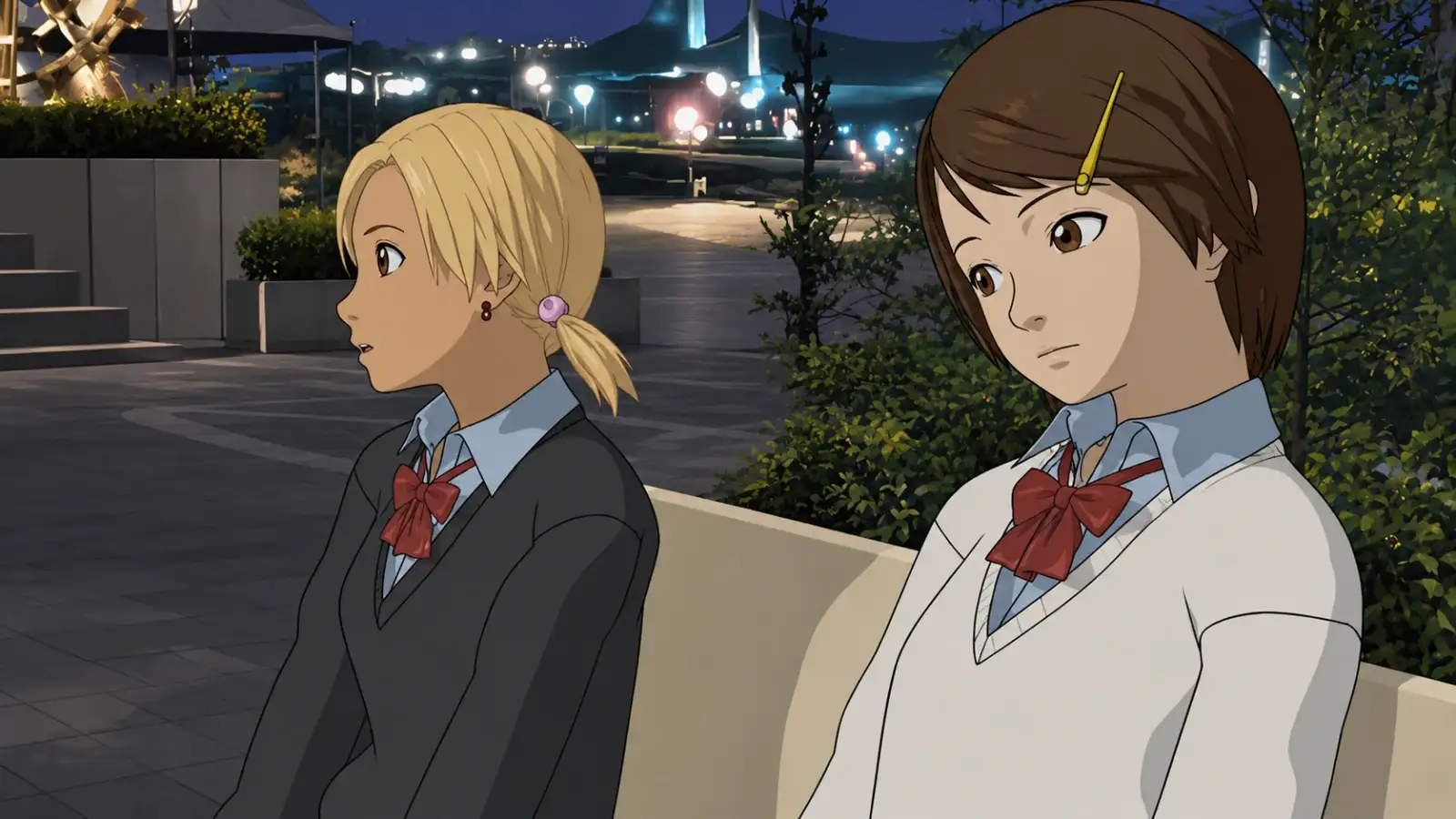
However, the story quickly moves away from conventional military science fiction. The students declare their school an independent nation, while Haruto discovers that piloting the experimental machine comes with a disturbing consequence. He becomes an immortal being capable of taking over other people's bodies, surviving through supernatural abilities that involve biting their necks.
The series introduces political negotiations, betrayals and new factions at an extremely rapid pace. Instead of allowing its complicated setting to develop naturally, it mixes high-school drama, musical sequences and supernatural developments into an increasingly unpredictable narrative.
Some viewers may enjoy its outrageous twists, but its inconsistent storytelling makes it difficult to take the larger conflict seriously. A particularly controversial sexual assault scene also clashes sharply with the show's otherwise colourful and exaggerated tone. With rushed character development and confusing worldbuilding, Valvrave the Liberator struggles to maintain a coherent identity.
Bellri pilots the advanced G-Self mobile suit while facing pirates, rival military groups and competing political interests. The series features attractive character designs and fluid hand-drawn animation, but its storytelling is considerably less accessible.
Characters frequently change allegiances, introduce unfamiliar political terminology and engage in battles without clearly explaining their motivations. Important details about the world and its different factions are often delivered through brief conversations, making it difficult for viewers to understand the larger conflict.
The sudden transitions between light-hearted comedy and brutal battlefield incidents also weaken the emotional impact. Even viewers familiar with the political complexity of Gundam may struggle to follow its numerous factions and rapidly changing conflicts. Its ambitious ideas are difficult to appreciate when the narrative moves faster than its audience can process.
The central character, Jet Siegel, leads a team equipped with special Dinobreaker vehicles. These machines can transform from motorcycles into mechanical dinosaurs, giving the series an unusual combination of futuristic technology and creature-inspired action.
Unfortunately, the concept does not develop into particularly engaging storytelling. Most episodes follow a predictable structure, with the team receiving a mission, transforming their vehicles and defeating the latest threat. Repeated transformation sequences and familiar catchphrases further reduce the sense of excitement.
The villains also lack memorable personalities, often serving as temporary obstacles rather than meaningful threats. According to the original article, Cartoon Network removed D.I.C.E. from its Toonami programming after approximately ten episodes because of poor ratings and limited viewer interest.
Without stronger character development or an engaging overarching storyline, the series struggles to offer the depth expected from a space opera.
The opening episodes establish an interesting perspective through a new protagonist whose experiences and motivations differ from those of the previous cast. However, the series gradually loses direction as its character development becomes increasingly inconsistent.
Shinn's personal growth takes a back seat as former protagonist Kira Yamato returns to occupy much of the spotlight. Several established characters also appear to behave differently from their earlier portrayals, creating unnecessary interpersonal conflicts and weakening the emotional continuity.
Another major criticism concerns the repeated use of stock animation. Mobile suit launches, beam attacks and explosions frequently reuse familiar footage, making several battles feel repetitive.
With a 50-episode run, the series has plenty of room to develop its ideas, but inconsistent writing and recycled action sequences make the experience increasingly frustrating. What begins as an interesting continuation eventually struggles to deliver a satisfying narrative.
Through their mobile phones, the girls can observe private activities and uncover secrets that would otherwise remain hidden. The premise offers opportunities to explore privacy, voyeurism, technology and the consequences of unrestricted surveillance.
However, the execution makes the series difficult to enjoy. Each instalment runs for approximately five minutes, leaving very little time for meaningful character development or satisfying storytelling. A considerable portion of that runtime is also occupied by opening and ending sequences.
The early 2000s computer-generated visuals are another major weakness. The stiff character movements, unnatural expressions and limited animation make the characters appear lifeless. The voice performances also do little to make the dialogue feel convincing.
Although the central concept has the potential to support an interesting cyberpunk mystery, its extremely short episodes and dated presentation prevent it from reaching that potential.
1. Valvrave the Liberator Becomes a Chaotic Mecha Soap Opera
Valvrave the Liberator begins in a peaceful space colony caught between two powerful galactic nations. When Dorssian military forces launch an invasion, high school student Haruto Tokishima enters a mysterious mecha known as the Valvrave to protect his classmates.However, the story quickly moves away from conventional military science fiction. The students declare their school an independent nation, while Haruto discovers that piloting the experimental machine comes with a disturbing consequence. He becomes an immortal being capable of taking over other people's bodies, surviving through supernatural abilities that involve biting their necks.
The series introduces political negotiations, betrayals and new factions at an extremely rapid pace. Instead of allowing its complicated setting to develop naturally, it mixes high-school drama, musical sequences and supernatural developments into an increasingly unpredictable narrative.
Some viewers may enjoy its outrageous twists, but its inconsistent storytelling makes it difficult to take the larger conflict seriously. A particularly controversial sexual assault scene also clashes sharply with the show's otherwise colourful and exaggerated tone. With rushed character development and confusing worldbuilding, Valvrave the Liberator struggles to maintain a coherent identity.
2. Gundam Reconguista in G Makes Its Story Difficult to Follow
Created by legendary director Yoshiyuki Tomino for the 35th anniversary of the Gundam franchise, Gundam Reconguista in G features an ambitious futuristic setting. Taking place centuries after the Universal Century era, the series follows Bellri Zenam, a young cadet who becomes involved in a conflict surrounding an orbital space elevator.Bellri pilots the advanced G-Self mobile suit while facing pirates, rival military groups and competing political interests. The series features attractive character designs and fluid hand-drawn animation, but its storytelling is considerably less accessible.
Characters frequently change allegiances, introduce unfamiliar political terminology and engage in battles without clearly explaining their motivations. Important details about the world and its different factions are often delivered through brief conversations, making it difficult for viewers to understand the larger conflict.
The sudden transitions between light-hearted comedy and brutal battlefield incidents also weaken the emotional impact. Even viewers familiar with the political complexity of Gundam may struggle to follow its numerous factions and rapidly changing conflicts. Its ambitious ideas are difficult to appreciate when the narrative moves faster than its audience can process.
3. D.I.C.E. Repeats the Same Saturday Morning Formula
Set in the distant Sarbylion galaxy, D.I.C.E., also known as Dinobreakers, follows a youth rescue organisation called DNA Integrated Cybernetic Enterprises. Its members respond to emergencies involving natural disasters and criminal activity across different planetary colonies.The central character, Jet Siegel, leads a team equipped with special Dinobreaker vehicles. These machines can transform from motorcycles into mechanical dinosaurs, giving the series an unusual combination of futuristic technology and creature-inspired action.
Unfortunately, the concept does not develop into particularly engaging storytelling. Most episodes follow a predictable structure, with the team receiving a mission, transforming their vehicles and defeating the latest threat. Repeated transformation sequences and familiar catchphrases further reduce the sense of excitement.
The villains also lack memorable personalities, often serving as temporary obstacles rather than meaningful threats. According to the original article, Cartoon Network removed D.I.C.E. from its Toonami programming after approximately ten episodes because of poor ratings and limited viewer interest.
Without stronger character development or an engaging overarching storyline, the series struggles to offer the depth expected from a space opera.
You may also like
- Sooraj Barjatya Reveals Why He Put His Bold Marriage-Based Film on Hold
- 'Varanasi': Video claiming to show SS Rajamouli-Mahesh Babu film's massive Kasi set in Hyderabad surfaces online
- The Hunger Games: Sunrise on the Reaping Opens to $225 Million Worldwide
- Sooraj Barjatya shelves explosive film on marriage: 'People warned me, said it was dangerous'
- Sapna Choudhary Files for Divorce from Veer Sahu After 6 Years
4. Mobile Suit Gundam SEED Destiny Relies Too Heavily on Recycled Animation
Taking place two years after the events of Mobile Suit Gundam SEED, Mobile Suit Gundam SEED Destiny introduces Shinn Asuka, a young pilot fighting alongside the genetically enhanced Coordinators. Haunted by the loss of his family during an earlier conflict, Shinn channels his anger into battles against Earth Alliance forces using the Impulse Gundam.The opening episodes establish an interesting perspective through a new protagonist whose experiences and motivations differ from those of the previous cast. However, the series gradually loses direction as its character development becomes increasingly inconsistent.
Shinn's personal growth takes a back seat as former protagonist Kira Yamato returns to occupy much of the spotlight. Several established characters also appear to behave differently from their earlier portrayals, creating unnecessary interpersonal conflicts and weakening the emotional continuity.
Another major criticism concerns the repeated use of stock animation. Mobile suit launches, beam attacks and explosions frequently reuse familiar footage, making several battles feel repetitive.
With a 50-episode run, the series has plenty of room to develop its ideas, but inconsistent writing and recycled action sequences make the experience increasingly frustrating. What begins as an interesting continuation eventually struggles to deliver a satisfying narrative.
5. Platonic Chain Combines Short Episodes With Unconvincing CGI
Platonic Chain explores a near-future society where digital surveillance has become part of everyday life. The story follows three high school students, Hitomi, Kanae and Rika, who discover a mysterious online network that gives them access to hidden cameras across the world.Through their mobile phones, the girls can observe private activities and uncover secrets that would otherwise remain hidden. The premise offers opportunities to explore privacy, voyeurism, technology and the consequences of unrestricted surveillance.
However, the execution makes the series difficult to enjoy. Each instalment runs for approximately five minutes, leaving very little time for meaningful character development or satisfying storytelling. A considerable portion of that runtime is also occupied by opening and ending sequences.
The early 2000s computer-generated visuals are another major weakness. The stiff character movements, unnatural expressions and limited animation make the characters appear lifeless. The voice performances also do little to make the dialogue feel convincing.
Although the central concept has the potential to support an interesting cyberpunk mystery, its extremely short episodes and dated presentation prevent it from reaching that potential.






Loving Newspoint? Download the app now
