
Yodha Review: Sidharth Malhotra, Raashii Khanna, And Disha Patani's Film Soars With 'Aero-Undynamic' Flair

A couple of weeks back, Siddharth Anand, the director of "Fighter," hinted that his ambitious project revolving around aerial combat might be faltering due to the lack of familiarity with air travel among a significant portion of the Indian cinema audience. With "Yodha," which also connotes "fighter," under their belt, I doubt directors Sagar Ombre and Pushkar Ojha would find that to be an issue.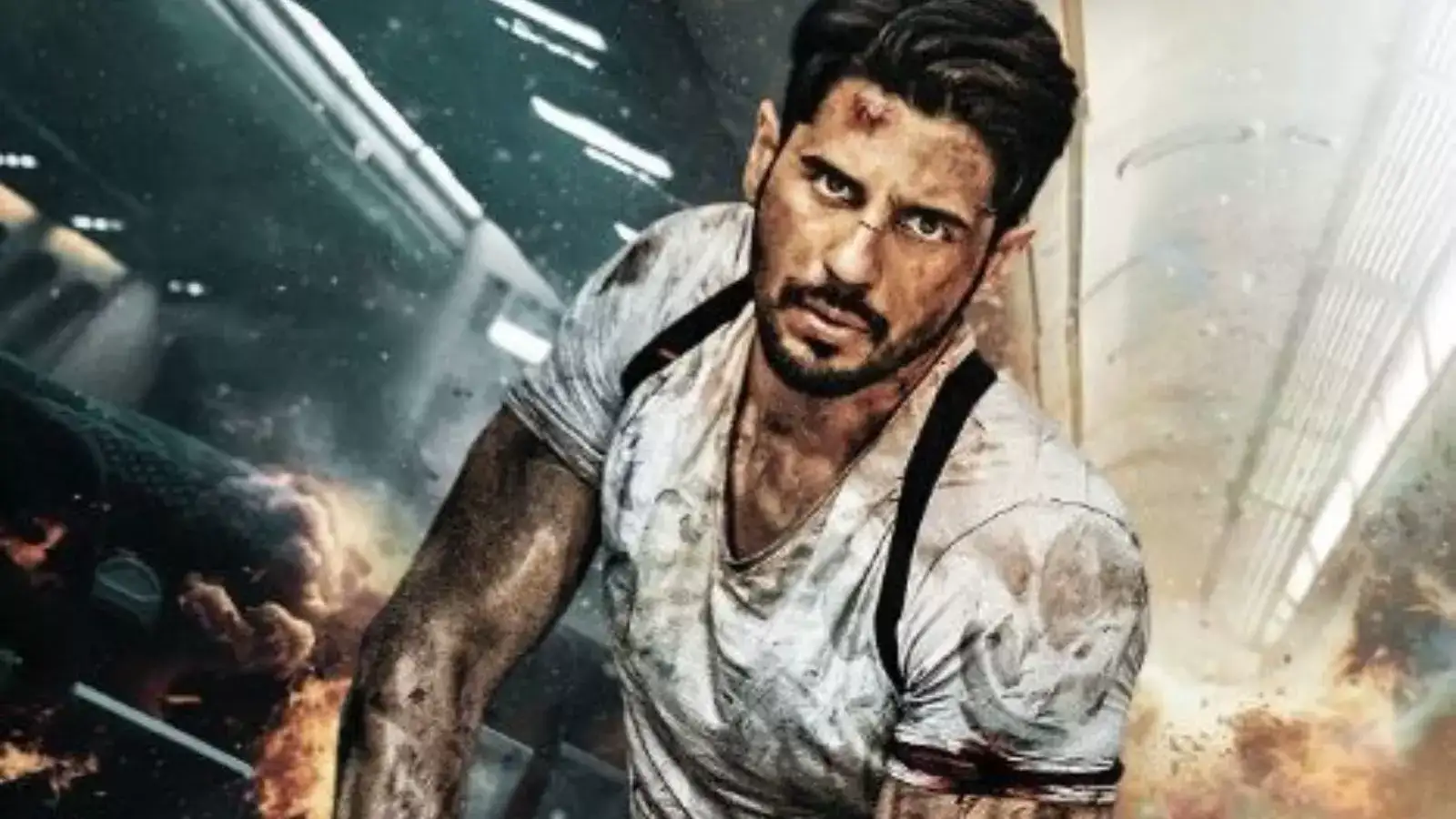
The narrative aspirations of this unwieldy Sidharth Malhotra and Raashii Khanna-starrer are marred by turbulence—tumbling, twisting, rolling, and rumbling—making it easy to predict the plot (if one cared to).
Sidharth embodies Arun Katyal, a special forces commando who effectively leads an elite task force, a position inherited from his father Surender (portrayed by Ronit Roy), who founded the unit. The trope of task forces feels tiresome; creators should explore fresh narratives beyond this adolescent fantasy. Raashii portrays his wife, Priyamvada, initially a senior bureaucrat in the ministry, later ascending to the role of secretary to a seemingly despondent and feeble-looking Indian Prime Minister.
Meanwhile, Arun embodies a cavalier one-man army, impulsively embarking on perilous extraction missions and returning triumphantly with tricolour smoke grenades billowing behind him. Priyamvada, his exasperated wife, seeks accountability, seemingly perennially on the brink of serving him divorce papers. The film opens with a context-setting sequence where Arun neutralizes half a dozen Bangladeshi infiltrators in the Sundarbans, followed by a generic track by Vishal Mishra depicting the couple's seemingly invincible romance.
Without delay, the film thrusts the protagonist into his downfall: a plane hijacking that he ultimately fails to thwart despite engaging in multiple combat sequences throughout the flight. Subsequently, an inquiry is conducted, finding Arun guilty of insubordination, leading to the disbandment of the task force.
Yodha's major flaw lies not only in its rush towards a crash-landing finale filled with decent stunt work but also in its neglect of other crucial elements. The script hastily glosses over pivotal aspects such as the protagonist's fall from grace and the fracture in his relationship with his wife, treating them with a sense of detachment and triviality. The introduction of Disha Patani's character towards the end feels forced and smug. Despite Sidharth's physical attributes and experience portraying decorated war heroes, army men, and spies, his portrayal of this character lacks depth. His one-dimensional depiction, devoid of conflict or turmoil, is distracting. His attempt at cracking whistle-worthy one-liners and imitating SRK's signature gestures to reconcile with his wife only adds to the sloppiness and self-absorption of such characters, rather than presenting them as slick and nuanced.
Attempting to navigate between divergent viewpoints and steering clear of a singularly jingoistic narrative template is a challenge previously tackled by films like Tiger and Pathaan. However, Yodha's trite and complacent approach to this endeavor, coupled with its surface-level interpretation of the Kashmir issue and terrorism, leaves the film with nothing innovative to offer. There's a glimmer of potential when the idea of the hero going rogue is briefly hinted at, but this possibility is swiftly dismissed. Instead, the film dives headfirst into resolving the puzzle it has created with broad strokes. While the aeronautical explanations and Sidharth's improbable combat feats may raise eyebrows among experts, such liberties are par for the course in Bollywood.
It's disheartening to see screenwriters rely so heavily on stereotypical unhinged antagonists to inject menace into their characters and provide the hero with moral justification for their actions. The antagonist's cliché dialogue, "Agar dono mulkon ke beech shaanti samjhauta ho gaya toh hamaara karobar kaise chalega," merely serves as a wake-up call for the audience who may have been disengaged until then. Sunny Hinduja's portrayal of the antagonist lacks originality and fails to evoke any real impact, leaving Sidharth's character's eventual triumph over him feeling anticlimactic. Furthermore, Raashii's character fails to fulfill the promised depth in the script, missing out on opportunities to engage in genuine conflict with her self-absorbed husband.
In closing, several questions arise: What role does Chittranjan Tripathy's character play, and why is the actor portraying a seemingly random Punjabi? How could Blackberrys from 2006 manage to play 1080p video? Where did Disha's character acquire her hand combat skills? (Considering her proficiency in beating Sidharth.) Why do the villains persist in conversing instead of shooting when necessary? If you're able to overlook these queries, then consider boarding the flight.
The narrative aspirations of this unwieldy Sidharth Malhotra and Raashii Khanna-starrer are marred by turbulence—tumbling, twisting, rolling, and rumbling—making it easy to predict the plot (if one cared to).
Sidharth embodies Arun Katyal, a special forces commando who effectively leads an elite task force, a position inherited from his father Surender (portrayed by Ronit Roy), who founded the unit. The trope of task forces feels tiresome; creators should explore fresh narratives beyond this adolescent fantasy. Raashii portrays his wife, Priyamvada, initially a senior bureaucrat in the ministry, later ascending to the role of secretary to a seemingly despondent and feeble-looking Indian Prime Minister.
Meanwhile, Arun embodies a cavalier one-man army, impulsively embarking on perilous extraction missions and returning triumphantly with tricolour smoke grenades billowing behind him. Priyamvada, his exasperated wife, seeks accountability, seemingly perennially on the brink of serving him divorce papers. The film opens with a context-setting sequence where Arun neutralizes half a dozen Bangladeshi infiltrators in the Sundarbans, followed by a generic track by Vishal Mishra depicting the couple's seemingly invincible romance.
Without delay, the film thrusts the protagonist into his downfall: a plane hijacking that he ultimately fails to thwart despite engaging in multiple combat sequences throughout the flight. Subsequently, an inquiry is conducted, finding Arun guilty of insubordination, leading to the disbandment of the task force.
Yodha's major flaw lies not only in its rush towards a crash-landing finale filled with decent stunt work but also in its neglect of other crucial elements. The script hastily glosses over pivotal aspects such as the protagonist's fall from grace and the fracture in his relationship with his wife, treating them with a sense of detachment and triviality. The introduction of Disha Patani's character towards the end feels forced and smug. Despite Sidharth's physical attributes and experience portraying decorated war heroes, army men, and spies, his portrayal of this character lacks depth. His one-dimensional depiction, devoid of conflict or turmoil, is distracting. His attempt at cracking whistle-worthy one-liners and imitating SRK's signature gestures to reconcile with his wife only adds to the sloppiness and self-absorption of such characters, rather than presenting them as slick and nuanced.
Attempting to navigate between divergent viewpoints and steering clear of a singularly jingoistic narrative template is a challenge previously tackled by films like Tiger and Pathaan. However, Yodha's trite and complacent approach to this endeavor, coupled with its surface-level interpretation of the Kashmir issue and terrorism, leaves the film with nothing innovative to offer. There's a glimmer of potential when the idea of the hero going rogue is briefly hinted at, but this possibility is swiftly dismissed. Instead, the film dives headfirst into resolving the puzzle it has created with broad strokes. While the aeronautical explanations and Sidharth's improbable combat feats may raise eyebrows among experts, such liberties are par for the course in Bollywood.
It's disheartening to see screenwriters rely so heavily on stereotypical unhinged antagonists to inject menace into their characters and provide the hero with moral justification for their actions. The antagonist's cliché dialogue, "Agar dono mulkon ke beech shaanti samjhauta ho gaya toh hamaara karobar kaise chalega," merely serves as a wake-up call for the audience who may have been disengaged until then. Sunny Hinduja's portrayal of the antagonist lacks originality and fails to evoke any real impact, leaving Sidharth's character's eventual triumph over him feeling anticlimactic. Furthermore, Raashii's character fails to fulfill the promised depth in the script, missing out on opportunities to engage in genuine conflict with her self-absorbed husband.
In closing, several questions arise: What role does Chittranjan Tripathy's character play, and why is the actor portraying a seemingly random Punjabi? How could Blackberrys from 2006 manage to play 1080p video? Where did Disha's character acquire her hand combat skills? (Considering her proficiency in beating Sidharth.) Why do the villains persist in conversing instead of shooting when necessary? If you're able to overlook these queries, then consider boarding the flight.
Next Story