
From Prominent Voice To Limited Role, The Shift In Raghav Chadha’s Position

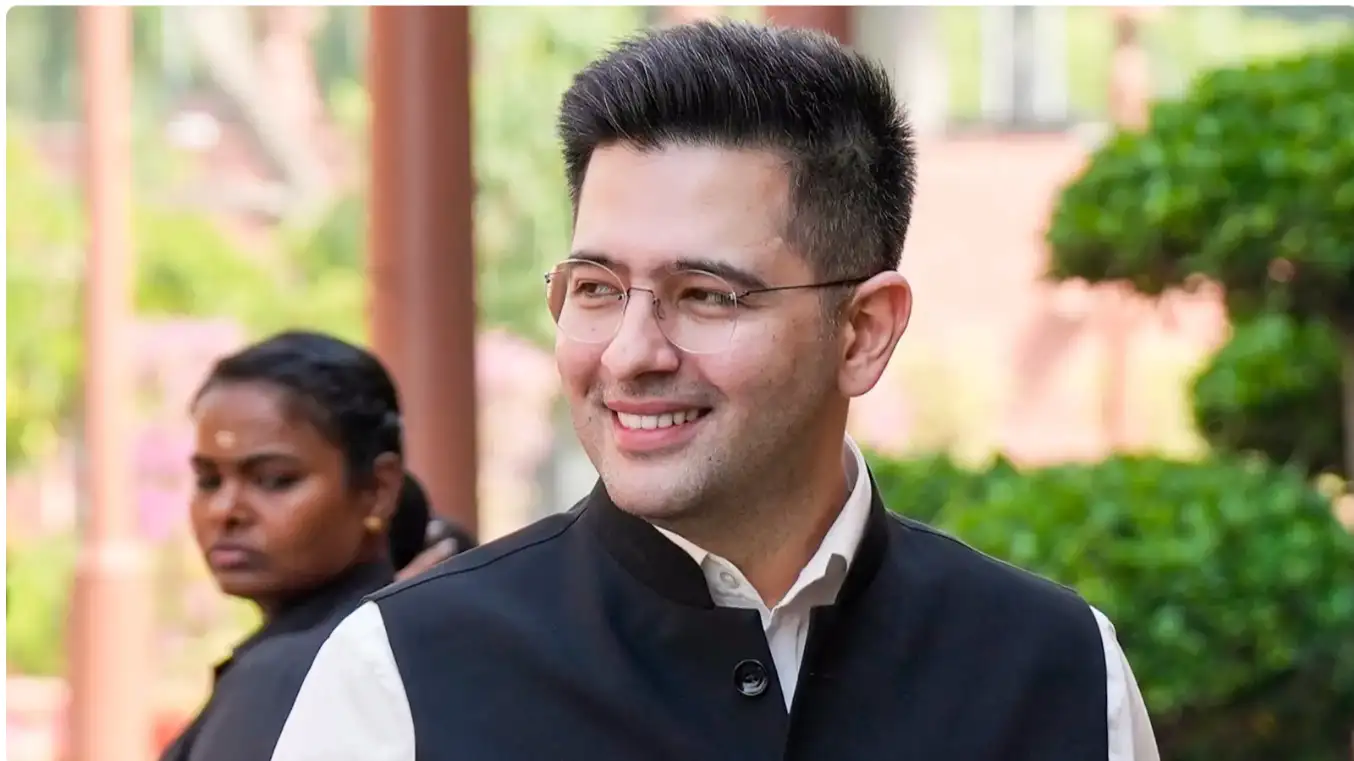
One of the most well-known and vocal representatives of the Aam Aadmi Party (AAP) in national politics in recent years is Raghav Chadha . He embodied a new generation of political leadership that was well-liked by the media and young people. Known for his calm demeanor, sharp arguments, and strong presence in the Rajya Sabha , he represented a new generation of political leadership one that connected easily with both the media and the youth.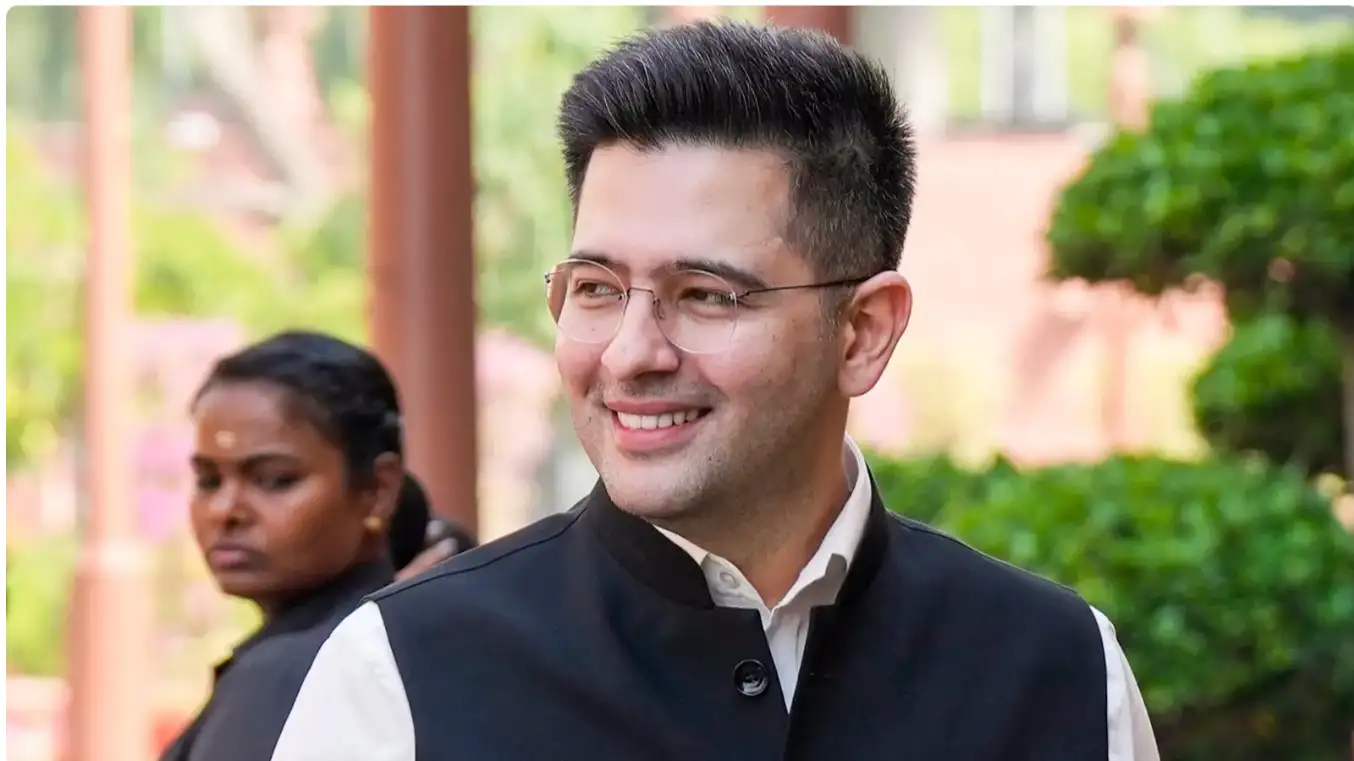
Recent events, however, suggest a discernible change in his standing inside the party.
An important turning point in Chadha's political career was his dismissal from the position of AAP Deputy Leader in the Rajya Sabha. Even though he is still a member of parliament, the shift in his duties points to a reorganization of positions within the party hierarchy. Despite being internal, these choices frequently have wider political implications.
The Aam Aadmi Party has described this development as part of an internal reorganization without offering a thorough public explanation. However, political analysts perceive it as more than a standard modification. Such shifts in leadership frequently represent more profound strategic choices, whether they have to do with performance, alignment, or the future.
Raghav Chadha had built a reputation as a key spokesperson and a visible parliamentary figure. His speeches frequently drew attention, and his ability to present arguments in a composed manner set him apart in a political environment often characterized by aggression and noise. This made him not just a party representative, but also a recognizable national figure.
Thus, the change in his position begs the question of how political parties control their leaders' visibility and power. Individual prominence may occasionally need to be reevaluated in order to preserve organizational balance in a system where internal discipline and group strategy are essential.
It is also important to note that such changes are not uncommon in politics. Parties frequently adjust roles to adapt to evolving priorities, strengthen internal coordination, or respond to changing political circumstances. What appears as a reduction in responsibility can also be a strategic repositioning for future roles.
Chadha’s own response to the development has been measured. Indicating that he remains committed to raising public issues, he has framed the situation as a moment of restraint rather than retreat. This suggests an attempt to maintain continuity in his political engagement despite the change in formal position.
From a broader perspective, this episode highlights the dynamic nature of political careers. Influence within a party is not static; it evolves with time, performance, and internal alignment. Leaders often move through phases of prominence and relative quiet, depending on the needs of the moment. For the Aam Aadmi Party, the decision reflects an effort to reorganize its parliamentary leadership. For Raghav Chadha, it represents a transitional phase one that could shape the next stage of his political trajectory.
Recent events, however, suggest a discernible change in his standing inside the party.
An important turning point in Chadha's political career was his dismissal from the position of AAP Deputy Leader in the Rajya Sabha. Even though he is still a member of parliament, the shift in his duties points to a reorganization of positions within the party hierarchy. Despite being internal, these choices frequently have wider political implications.
The Aam Aadmi Party has described this development as part of an internal reorganization without offering a thorough public explanation. However, political analysts perceive it as more than a standard modification. Such shifts in leadership frequently represent more profound strategic choices, whether they have to do with performance, alignment, or the future.
Raghav Chadha had built a reputation as a key spokesperson and a visible parliamentary figure. His speeches frequently drew attention, and his ability to present arguments in a composed manner set him apart in a political environment often characterized by aggression and noise. This made him not just a party representative, but also a recognizable national figure.
Thus, the change in his position begs the question of how political parties control their leaders' visibility and power. Individual prominence may occasionally need to be reevaluated in order to preserve organizational balance in a system where internal discipline and group strategy are essential.
It is also important to note that such changes are not uncommon in politics. Parties frequently adjust roles to adapt to evolving priorities, strengthen internal coordination, or respond to changing political circumstances. What appears as a reduction in responsibility can also be a strategic repositioning for future roles.
Chadha’s own response to the development has been measured. Indicating that he remains committed to raising public issues, he has framed the situation as a moment of restraint rather than retreat. This suggests an attempt to maintain continuity in his political engagement despite the change in formal position.
From a broader perspective, this episode highlights the dynamic nature of political careers. Influence within a party is not static; it evolves with time, performance, and internal alignment. Leaders often move through phases of prominence and relative quiet, depending on the needs of the moment. For the Aam Aadmi Party, the decision reflects an effort to reorganize its parliamentary leadership. For Raghav Chadha, it represents a transitional phase one that could shape the next stage of his political trajectory.






More from our partners


Loving Newspoint? Download the app now
