
Caffeine Chronicles: How To Perfect Your Coffee Game & Sidestep Brewing Blunders

For many of us, the morning ritual of brewing a perfect cup of coffee is sacrosanct. However, even the most seasoned coffee aficionados can sometimes fall prey to common mistakes that compromise the quality of their brew. From improper bean storage to incorrect water temperature, these errors can detract from the flavour and aroma of your coffee. To ensure that every cup is a delightful experience, let's explore five mistakes to avoid when making your coffee, along with tips for achieving coffee nirvana.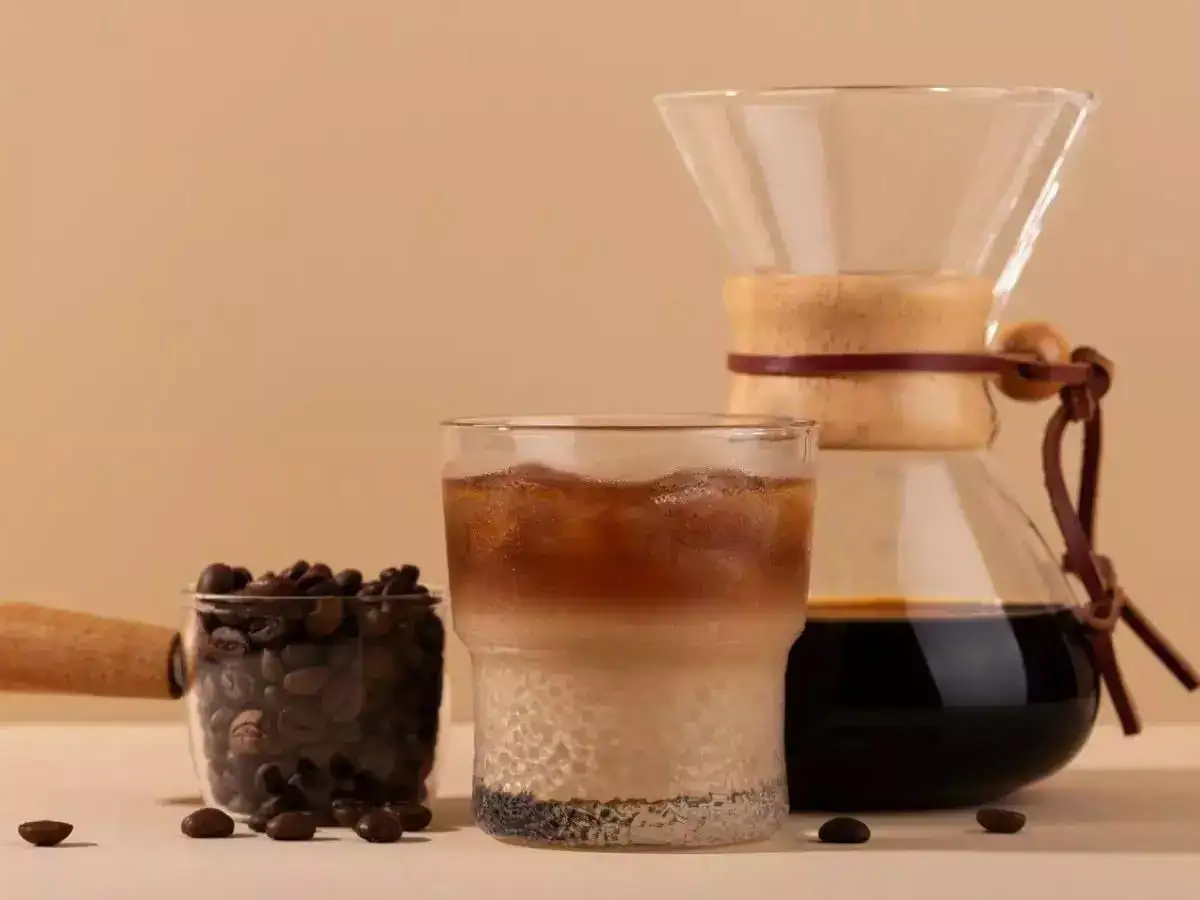
1. Neglecting Freshness: The Importance of Freshly Roasted Beans
One of the cardinal sins of coffee brewing is using stale beans. Coffee beans contain volatile compounds that degrade over time, resulting in a loss of flavour and aroma. To maximise freshness, purchase whole beans and grind them just before brewing.
Store your beans in an airtight container away from light, heat, and moisture to preserve their freshness for as long as possible. By prioritising freshness, you'll ensure that each cup is bursting with rich, nuanced flavours that delight the senses.
2. Grinding Blunders: Finding the Right Grind Size
The grind size of your coffee beans plays a crucial role in the extraction process and ultimately determines the flavour profile of your brew. Using the wrong grind size can result in over-extraction or under-extraction, leading to a bitter or weak cup of coffee.
Experiment with different grind sizes to find the optimal one for your brewing method – whether it's coarse for a French press, medium for drip coffee, or fine for espresso. Investing in a high-quality burr grinder will allow you to achieve consistent results and unlock the full potential of your beans.
3. Water Woes: Paying Attention to Water Quality and Temperature
Water may seem like a simple ingredient, but its quality and temperature can significantly impact the taste of your coffee. Using tap water that's high in chlorine or minerals can impart unpleasant flavours to your brew. Instead, opt for filtered or bottled water for a purer taste.
Additionally, pay attention to water temperature – aim for between 90°C and 96°C for optimal extraction. Boiling water can scald the coffee grounds, while water that's too cold will result in under-extraction. Investing in a temperature-controlled kettle will ensure that you hit the sweet spot every time.
4. Brewing Inconsistencies: Mastering the Art of Consistency
Consistency is key when it comes to brewing the perfect cup of coffee. Small variations in factors such as coffee-to-water ratio, brewing time, and agitation can have a big impact on the final result. To maintain consistency, invest in a reliable brewing method and adhere to precise measurements and techniques.
Use a kitchen scale to measure your coffee and water accurately, and keep a timer handy to monitor brewing time. By eliminating variables and honing your technique, you'll be able to replicate your favourite cup of coffee with precision and ease.
5. Rushing the Process: Allowing Time for Proper Extraction
Patience is a virtue when it comes to coffee brewing. Rushing the process can lead to uneven extraction and a subpar cup of coffee. Allow sufficient time for the water to fully saturate the coffee grounds and extract their flavours.
Avoid the temptation to rush through the brewing process or impatiently plunge the French press – instead, let the coffee steep for the recommended duration to achieve optimal extraction. Remember, good things come to those who wait, and the reward for patience is a perfectly brewed cup of coffee that's worth savouring.
Brewing the perfect cup of coffee is as much art as it is science, requiring attention to detail, precision, and a dash of experimentation. By avoiding common mistakes such as neglecting freshness, using improper grind sizes, overlooking water quality and temperature, failing to maintain consistency, and rushing the brewing process, you can elevate your coffee game and enjoy a superior coffee experience every time. With a bit of care and diligence, you'll be well on your way to brewing perfection and savouring the true essence of this beloved beverage.
(With AI Inputs)
GENZ News, the ultimate destination for the trend-savvy generation! Stay on top of GenZ news with India's first and the only product for GENZs.
1. Neglecting Freshness: The Importance of Freshly Roasted Beans
One of the cardinal sins of coffee brewing is using stale beans. Coffee beans contain volatile compounds that degrade over time, resulting in a loss of flavour and aroma. To maximise freshness, purchase whole beans and grind them just before brewing.
Store your beans in an airtight container away from light, heat, and moisture to preserve their freshness for as long as possible. By prioritising freshness, you'll ensure that each cup is bursting with rich, nuanced flavours that delight the senses.
2. Grinding Blunders: Finding the Right Grind Size
The grind size of your coffee beans plays a crucial role in the extraction process and ultimately determines the flavour profile of your brew. Using the wrong grind size can result in over-extraction or under-extraction, leading to a bitter or weak cup of coffee.
Experiment with different grind sizes to find the optimal one for your brewing method – whether it's coarse for a French press, medium for drip coffee, or fine for espresso. Investing in a high-quality burr grinder will allow you to achieve consistent results and unlock the full potential of your beans.
3. Water Woes: Paying Attention to Water Quality and Temperature
Water may seem like a simple ingredient, but its quality and temperature can significantly impact the taste of your coffee. Using tap water that's high in chlorine or minerals can impart unpleasant flavours to your brew. Instead, opt for filtered or bottled water for a purer taste.
Additionally, pay attention to water temperature – aim for between 90°C and 96°C for optimal extraction. Boiling water can scald the coffee grounds, while water that's too cold will result in under-extraction. Investing in a temperature-controlled kettle will ensure that you hit the sweet spot every time.
4. Brewing Inconsistencies: Mastering the Art of Consistency
Consistency is key when it comes to brewing the perfect cup of coffee. Small variations in factors such as coffee-to-water ratio, brewing time, and agitation can have a big impact on the final result. To maintain consistency, invest in a reliable brewing method and adhere to precise measurements and techniques.
Use a kitchen scale to measure your coffee and water accurately, and keep a timer handy to monitor brewing time. By eliminating variables and honing your technique, you'll be able to replicate your favourite cup of coffee with precision and ease.
5. Rushing the Process: Allowing Time for Proper Extraction
Patience is a virtue when it comes to coffee brewing. Rushing the process can lead to uneven extraction and a subpar cup of coffee. Allow sufficient time for the water to fully saturate the coffee grounds and extract their flavours.
Avoid the temptation to rush through the brewing process or impatiently plunge the French press – instead, let the coffee steep for the recommended duration to achieve optimal extraction. Remember, good things come to those who wait, and the reward for patience is a perfectly brewed cup of coffee that's worth savouring.
Brewing the perfect cup of coffee is as much art as it is science, requiring attention to detail, precision, and a dash of experimentation. By avoiding common mistakes such as neglecting freshness, using improper grind sizes, overlooking water quality and temperature, failing to maintain consistency, and rushing the brewing process, you can elevate your coffee game and enjoy a superior coffee experience every time. With a bit of care and diligence, you'll be well on your way to brewing perfection and savouring the true essence of this beloved beverage.
(With AI Inputs)
GENZ News, the ultimate destination for the trend-savvy generation! Stay on top of GenZ news with India's first and the only product for GENZs.
Next Story