
Best Vegetarian Protein Sources: 8 Healthy Alternatives to Paneer for Better Amino Acid Balance

When searching for the best vegetarian protein sources , many people begin and end with paneer and dal. These traditional options are familiar and easy. Over time, relying strictly on one or two foods limits how much your body benefits. Variety matters greatly.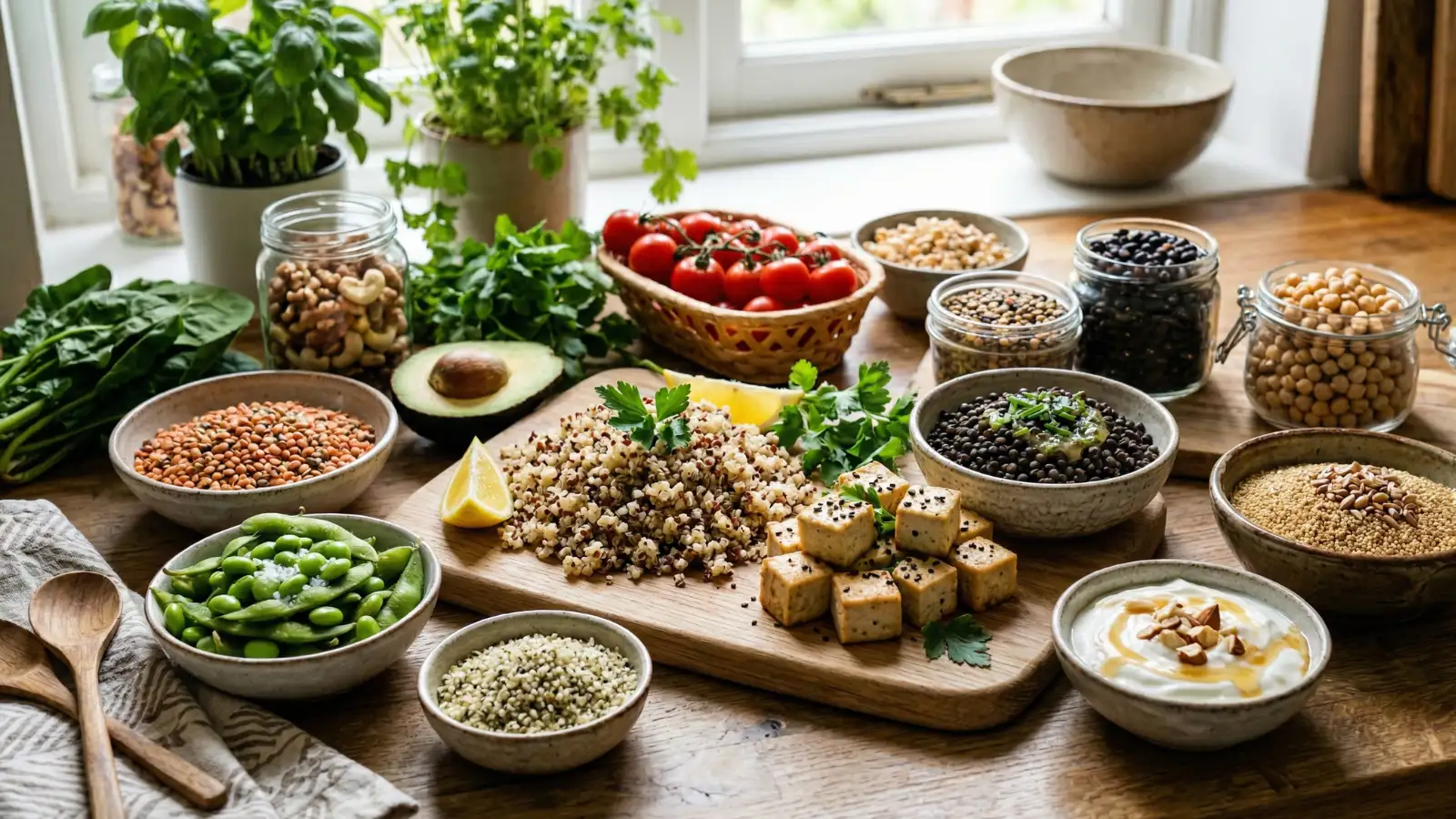
A balanced vegetarian diet is less about strict restriction and more about wide variety. When you consciously spread protein sources across different whole foods, you are eating significantly better.
The Problem with Single Foods
While paneer remains a healthy choice, it should not be the only protein on your plate. Dietary diversity does much more than just add flavors. It fundamentally changes how your body absorbs and utilizes essential nutrients.Understanding Protein Diversity
Protein is not just about total quantity. It is equally about food quality. Different vegetarian foods naturally provide entirely different profiles of amino acids, vital vitamins, and essential minerals for your physical wellbeing.The Benefits of Mixing Meals
When varied nutritional elements are combined across meals, they actively support faster muscle recovery. They improve satiety levels and help maintain metabolic balance. In simple terms, the more varied your dietary sources become, the better your body responds.Exploring New Food Options
There are multiple choices that go beyond usual household staples. These alternatives are easy to add to your meals without hassle, giving you a better nutritional profile.The Magic of Tofu
Tofu stands as a staple in Asian diets. It is rich in plant protein and calcium. Because it absorbs flavors easily, it serves as a highly versatile ingredient for both Indian and global recipes.Trying Nutritious Tempeh
Tempeh might be less common in everyday kitchens, but it is worth trying. This fermented soy product not only provides ample protein but also actively supports long term gut health.Snacking on Edamame
Edamame consists of young soybeans functioning as a complete protein. They are surprisingly filling between meals. These green beans work exceptionally well as a quick snack or a salad addition.Choosing Thick Yogurt
Greek yogurt or hung curd serves as a fantastic dietary addition. Noticeably thicker than regular curd, this specific option is high in protein and contains vital probiotics supporting smooth digestion.Cooking with Quinoa
Quinoa is frequently referred to as a modern super grain. It uniquely contains all essential amino acids required by the human body, making it a complete and highly valuable protein source.Enjoying Ancient Amaranth
Amaranth, locally known as rajgira, is an ancient grain packed with rich protein, important iron, and dietary fibre. While popular during fasting periods, it works wonderfully for year round consumption.Sprinkling Hemp Seeds
Hemp seeds appear very small but are incredibly nutrient dense. They provide highly digestible protein along with healthy fats and crucial minerals. They are easy to sprinkle over fresh salads.Drinking Dairy Proteins
Standard milk and traditional dairy proteins should never be ignored. Milk naturally contains both whey and casein. These are high quality proteins actively supporting tissue repair and providing sustained energy.Keeping Paneer in Perspective
The goal is not replacing your favorite paneer entirely. Paneer will always remain a genuinely good source of protein. The primary idea is simply to stop relying on it as your only option.Building a Better Mix
Think of daily meals as an exciting mix rather than a routine. Enjoy a little tofu one day, cook fluffy quinoa the next, or get seeds added to your breakfast bowl. It never needs to be complicated.
Embracing Dietary Variety
A balanced vegetarian diet is less about strict restriction and more about wide variety. When you consciously spread protein sources across different whole foods, you are eating significantly better. Achieving Long Term Results
You give your body effective ways to stay consistently strong. You recover much better from fatigue and feel full longer. That dietary shift, small as it sounds, makes a noticeable difference.Next Story