
Chikankari Bliss: Bridal Trends Embracing The Beauty Beyond Sequins In Lehengas

The narrative of chikankari is rich with nuances—an embroidery technique executed on the reverse side of the fabric , a heritage woven with conflicting tales of its origin, and a textile art seamlessly connecting the bygone era to the contemporary. Delicate cotton threads craft intricate, ethereal motifs, forming a bridge between history and the present. While conventional wisdom often attributes the introduction of chikankari to Nur Jehan in Lucknow, historical records now trace its roots back to the era of Chandragupta Maurya. Nevertheless, the undeniable truth is that the art reached its pinnacle under the patronage of the Mughals, followed by the nawabs of Awadh.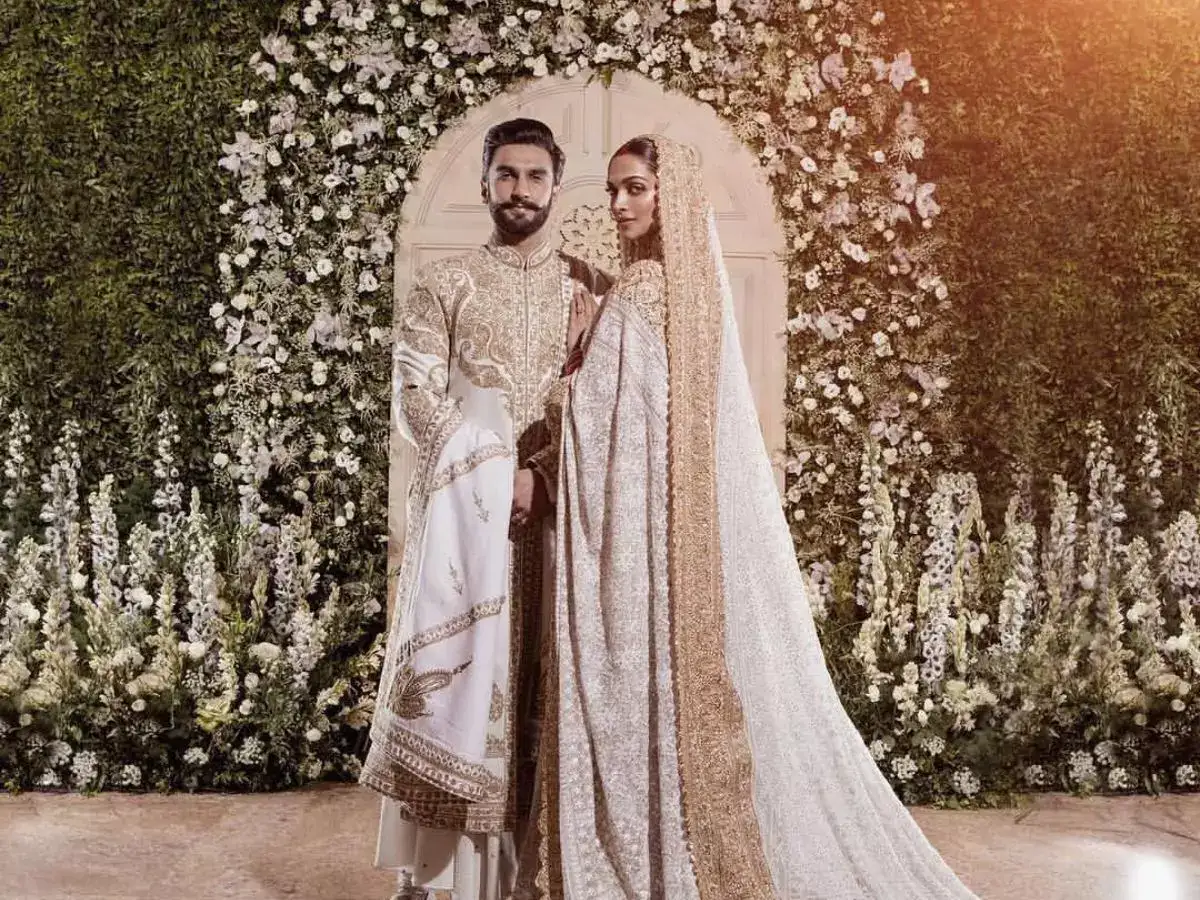
A Tale of Renaissance
Like all artisanal crafts, chikankari experienced its ebbs and flows. Up until the 1930s, this art adorned the official attire of the lower court of Awadh before yielding to a colonial dress code. Over the ensuing decades, it witnessed a gradual decline, succumbing to mass-produced machine-made pieces. The revival of chikankari owes much to Indian designers, with luminaries such as Abu Jani Sandeep Khosla and Manish Malhotra leading the charge.
The Contemporary Resurgence
In 2010, Manish Malhotra immersed himself in the world of chikankari through his association with the NGO Mijwan Welfare Society (MWS), founded by Kaifi Azmi.
A Meticulous Artistry
Breathing life into a chikankari ensemble is a laborious journey of passion. The fabric is meticulously chosen, then block printed with the intended designs for embroidery. Thin, white cotton threads, showcasing thirty-two different stitches, bring the art to life. The final touch involves washing the cloth to soften the fabric and eliminate any residual dye. According to Malhotra, the creation of a single piece can span up to two months.
Bollywood's Affirmation
The endorsement of chikankari by Bollywood undoubtedly catapulted it into the mainstream. In 1997, Shweta Bachchan emerged as one of the early adopters of chikankari for her bridal attire.
In recent years, celebrities like Sonam Kapoor, Deepika Padukone, Kiara Advani, and Athiya Shetty have embraced this craft, showcasing its versatility in both bridal looks and casual wear.
(With AI Inputs)
(GENZ News is the ultimate destination for the trend-savvy generation! Stay on top of the GenZ news with India's first and the only product for GENZs.)
A Tale of Renaissance
Like all artisanal crafts, chikankari experienced its ebbs and flows. Up until the 1930s, this art adorned the official attire of the lower court of Awadh before yielding to a colonial dress code. Over the ensuing decades, it witnessed a gradual decline, succumbing to mass-produced machine-made pieces. The revival of chikankari owes much to Indian designers, with luminaries such as Abu Jani Sandeep Khosla and Manish Malhotra leading the charge.
The Contemporary Resurgence
In 2010, Manish Malhotra immersed himself in the world of chikankari through his association with the NGO Mijwan Welfare Society (MWS), founded by Kaifi Azmi.
A Meticulous Artistry
Breathing life into a chikankari ensemble is a laborious journey of passion. The fabric is meticulously chosen, then block printed with the intended designs for embroidery. Thin, white cotton threads, showcasing thirty-two different stitches, bring the art to life. The final touch involves washing the cloth to soften the fabric and eliminate any residual dye. According to Malhotra, the creation of a single piece can span up to two months.
Bollywood's Affirmation
The endorsement of chikankari by Bollywood undoubtedly catapulted it into the mainstream. In 1997, Shweta Bachchan emerged as one of the early adopters of chikankari for her bridal attire.
In recent years, celebrities like Sonam Kapoor, Deepika Padukone, Kiara Advani, and Athiya Shetty have embraced this craft, showcasing its versatility in both bridal looks and casual wear.
(With AI Inputs)
(GENZ News is the ultimate destination for the trend-savvy generation! Stay on top of the GenZ news with India's first and the only product for GENZs.)
Next Story