
Independence Day
Independence Day
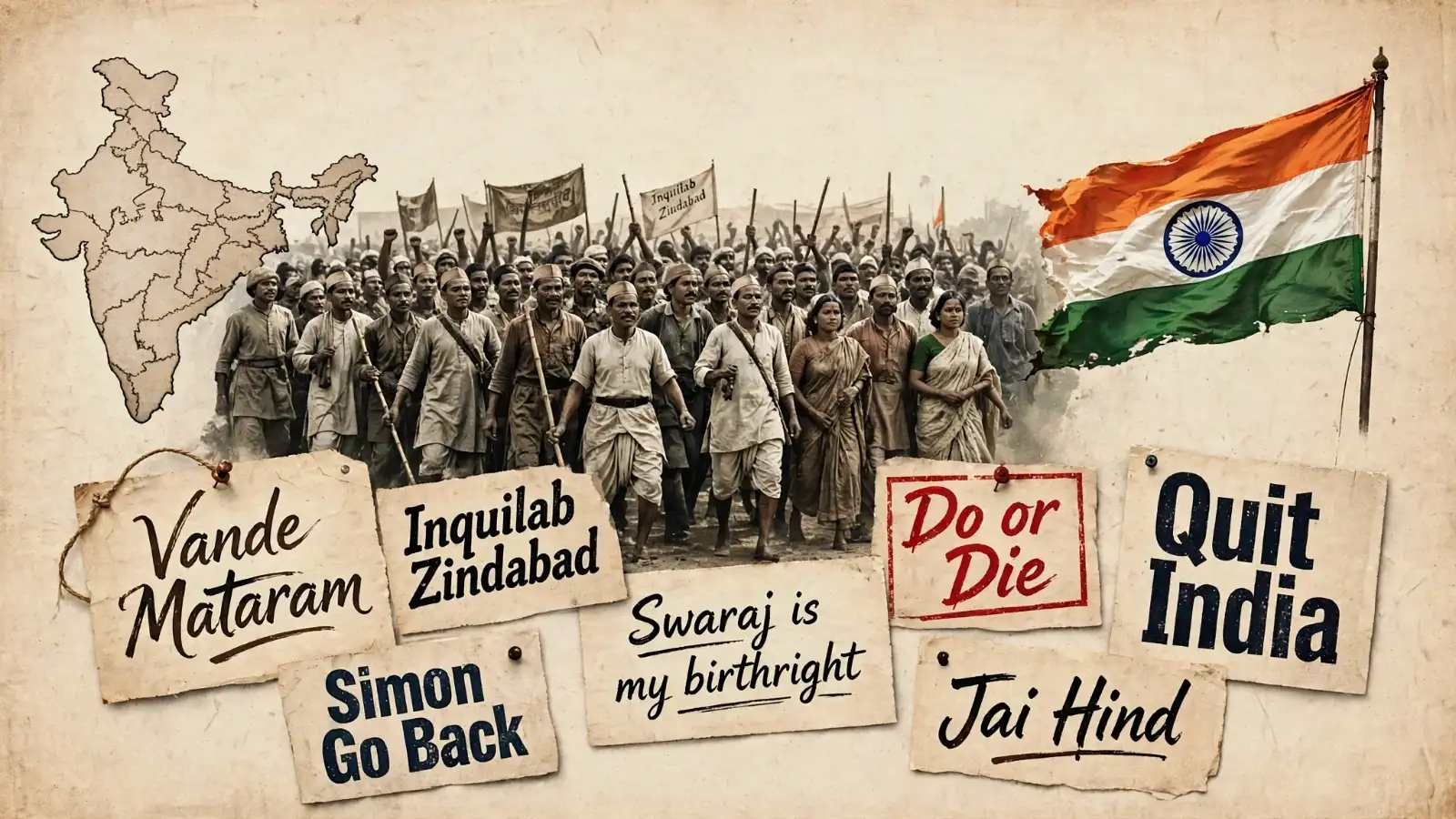
From ‘Vande Mataram’ to ‘Quit India’: Slogans That Sparked India’s Fight for Freedom
From ‘Maaro Firangi Ko’ and ‘Swaraj is my birthright’ to ‘Inquilab Zindabad’ and ‘Karo Ya Maro’, slogans played a powerful role in India’s freedom struggle. They turned anger into resistance, inspired unity and gave millions a shared language for independence. This article traces how iconic slogans evolved from revolutionary cries into enduring symbols of India’s fight against British rule.
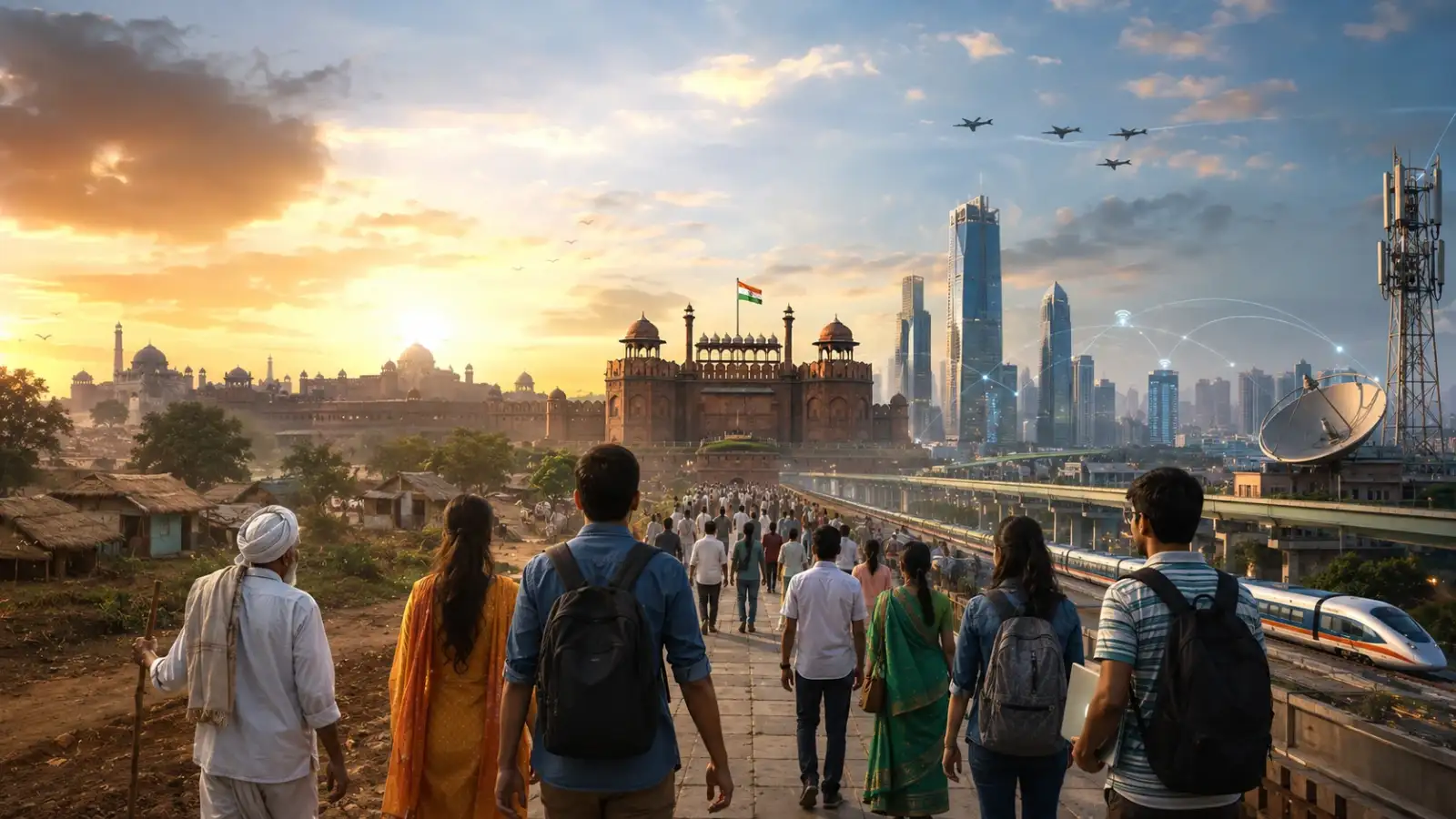
80 Years of Freedom: How the Meaning of Independence Has Changed for Indians
The concept of freedom in India has transformed over the years, moving away from just political ownership towards a comprehensive range of personal liberties, economic self-sufficiency, and digital integration. Citizens increasingly prioritize social justice and mental emancipation as vital elements of their freedom. With a robust national identity now thriving internationally, this broadened perspective continues to guide India's future direction.
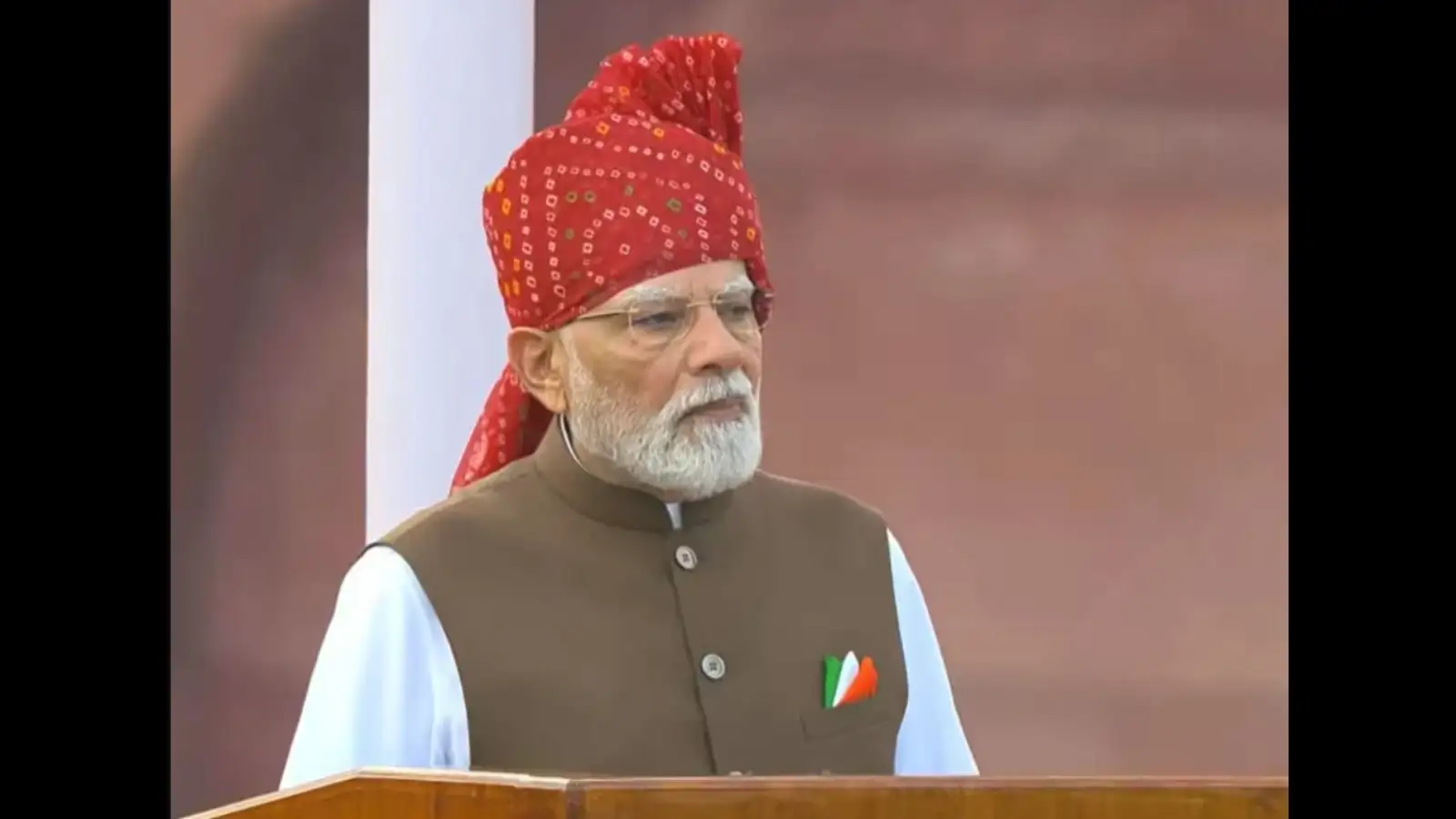
Independence Day 2026: PM Modi Announces Free Online Coaching for Competitive Exam Aspirants
Prime Minister Narendra Modi announced free online coaching for competitive exams during his Independence Day speech from the Red Fort. He said the initiative will reduce the financial burden of coaching on poor and middle-class families. Modi also urged youth to participate in Census 2027 and called for identifying and isolating ‘dimagi Naxals’ while highlighting progress against Maoist violence.
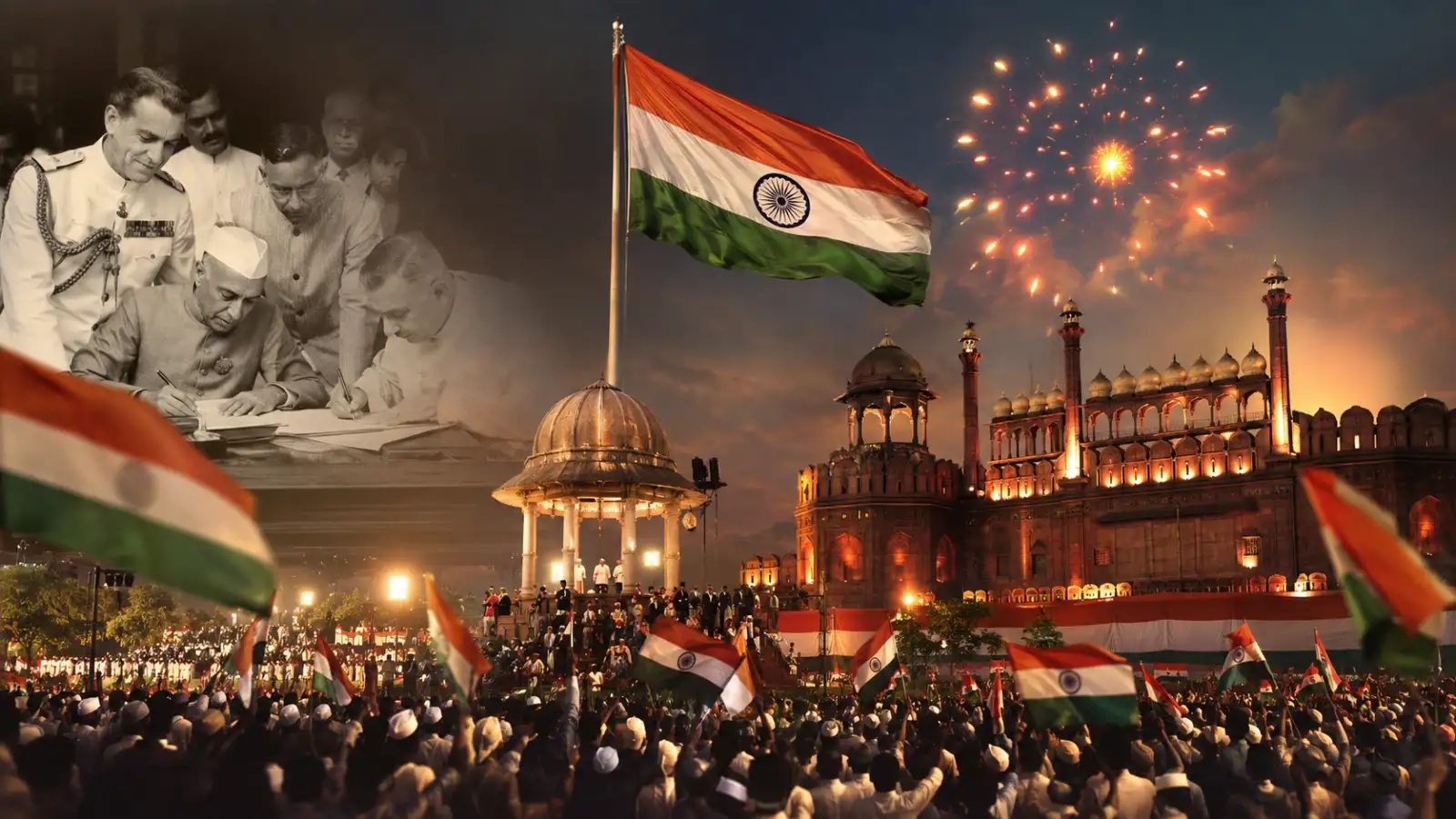
Why India Celebrates Independence Day on August 15: The Story Behind the Date
On August 15, India proudly observes Independence Day, a date that was thoughtfully chosen by Viceroy Mountbatten, reflecting his personal ties to the conclusion of World War II. Although Indian leaders and astrologers deemed the date unlucky for important national occasions, an agreement facilitated the Constituent Assembly's midnight assembly, marking the official commencement of India's independence.
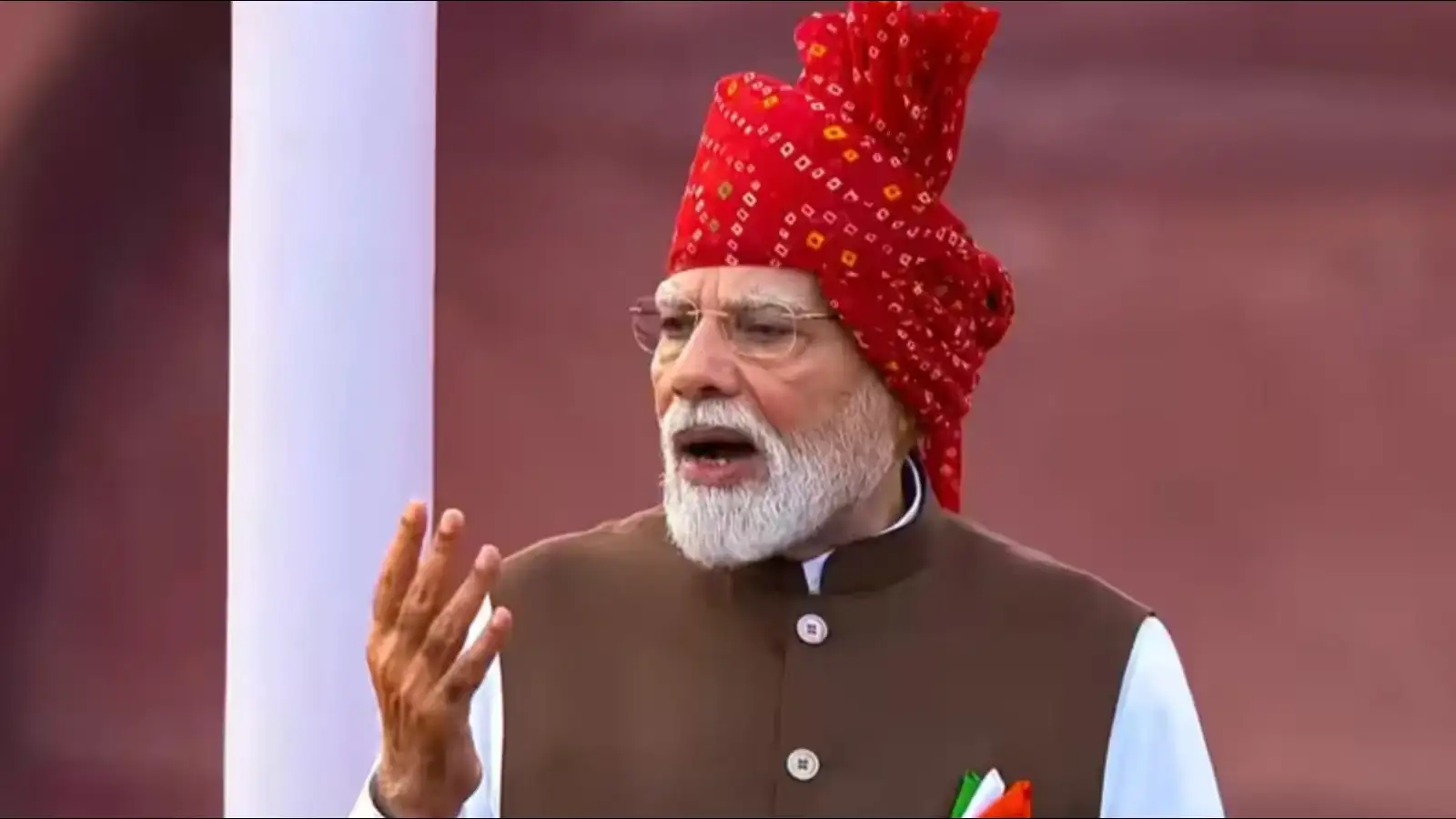
PM Modi Becomes Second PM After Nehru to Deliver 13th Consecutive I-Day Speech
Prime Minister Narendra Modi has become the second Indian prime minister after Jawaharlal Nehru to deliver 13 consecutive Independence Day speeches from the Red Fort. Since taking office in 2014, Modi has addressed the nation every August 15, marking a significant milestone in his tenure. His latest address highlighted the government’s priorities, India’s development journey and its vision for the future.
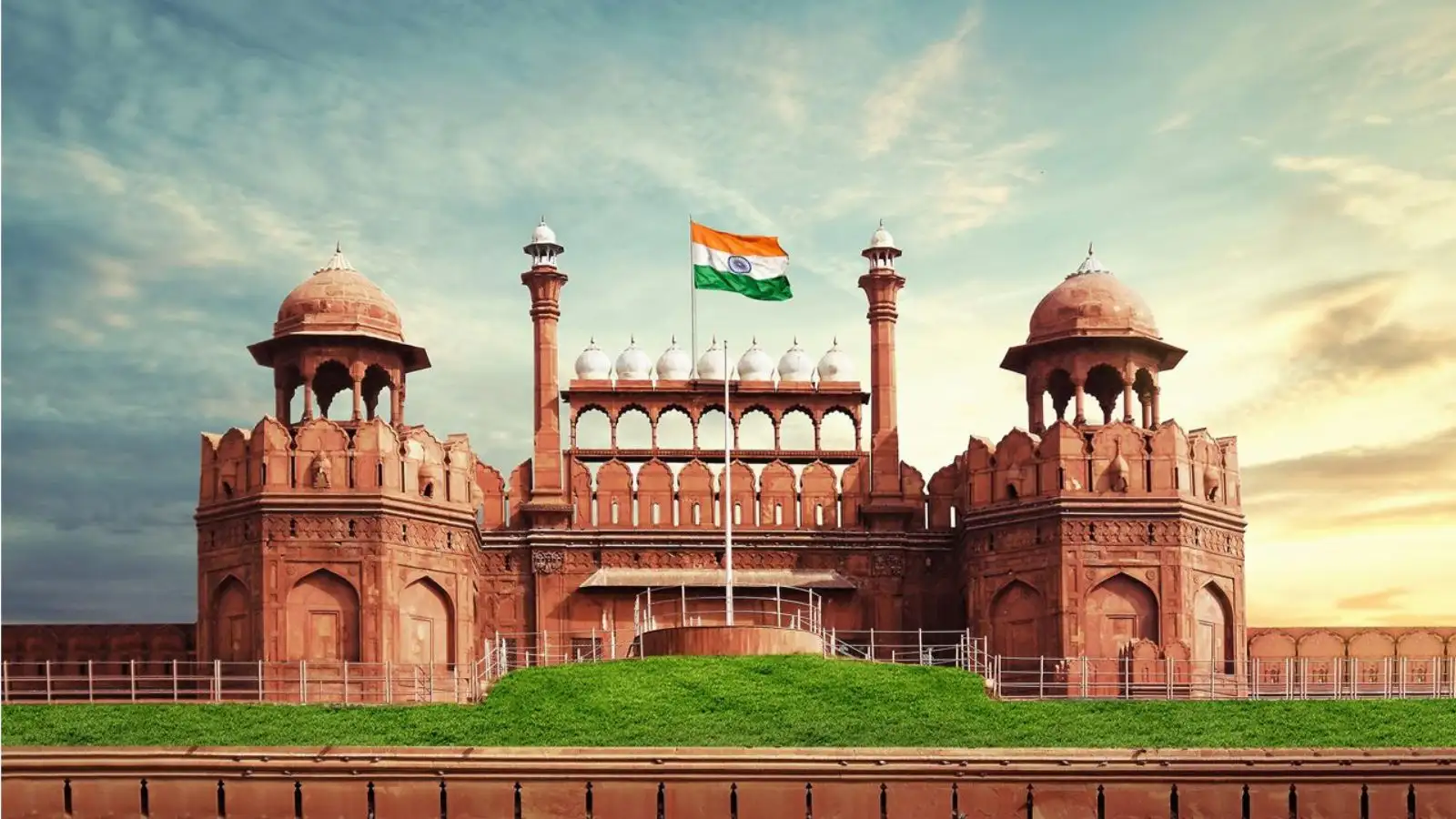
India Celebrates 80th Independence Day: PM Modi To Address Nation
India is celebrating its 80th Independence Day on August 15, 2026, with Prime Minister Narendra Modi leading the national ceremony at the Red Fort in New Delhi.This year's celebrations will mark 150 years of the legacy of ‘Vande Mataram’, which will feature prominently in the ceremony for the first time.The event will also spotlight the aspirations of India's youth and the vision of Viksit Bharat 2047. Thousands of special guests, NCC cadets and My Bharat volunteers are expected to be part of the grand celebrations.
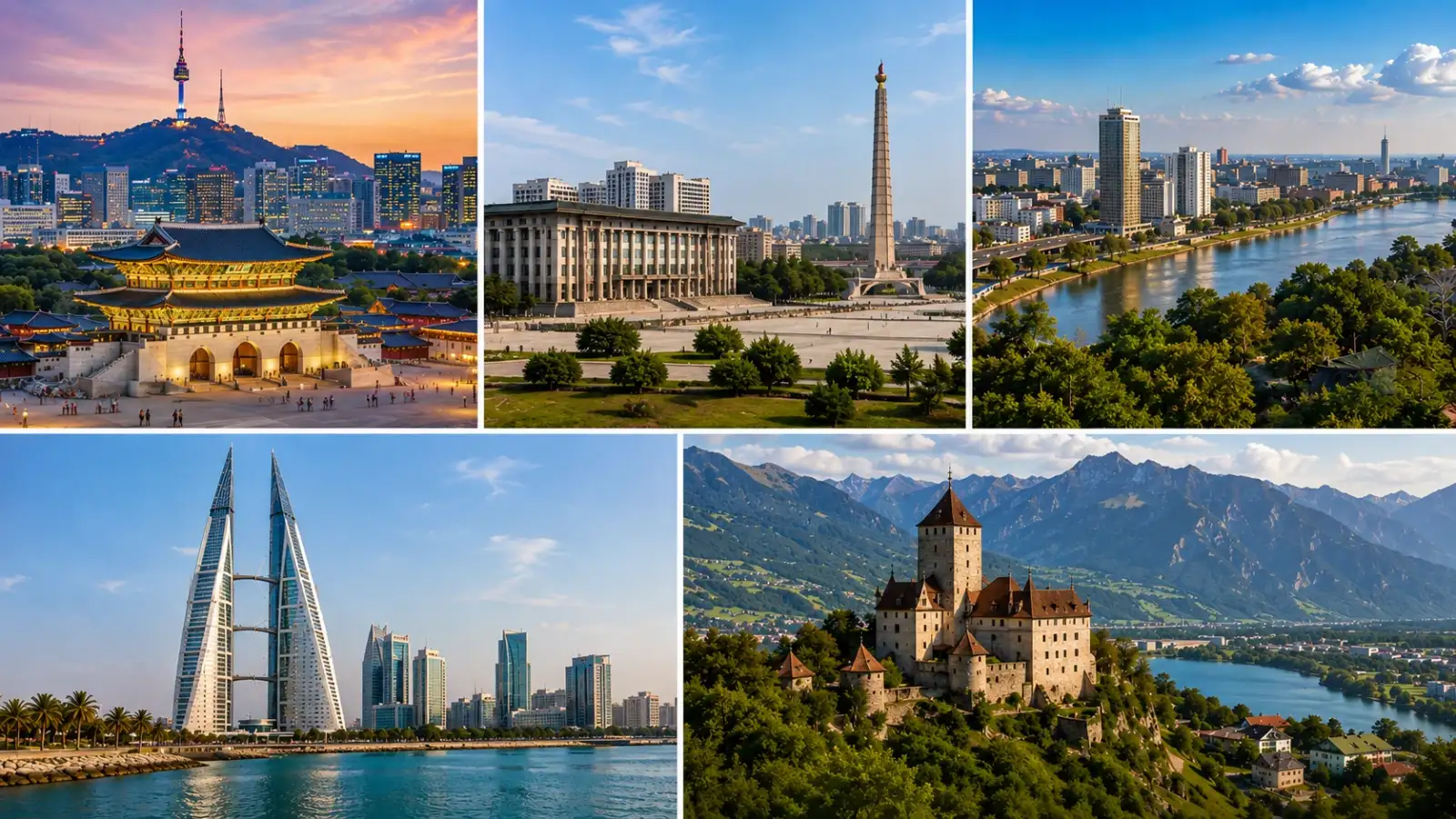
5 Countries That Share Their Independence Day With India: A Global Celebration
August 15th marks a significant day not only for India but also for several other nations. South Korea and North Korea commemorate their liberation from Japanese rule on this date. The Republic of the Congo celebrates its independence from France, achieved in 1960. Bahrain also proudly marks its departure from British protection in 1971. Furthermore, Liechtenstein honors its National Day every year on August 15th.
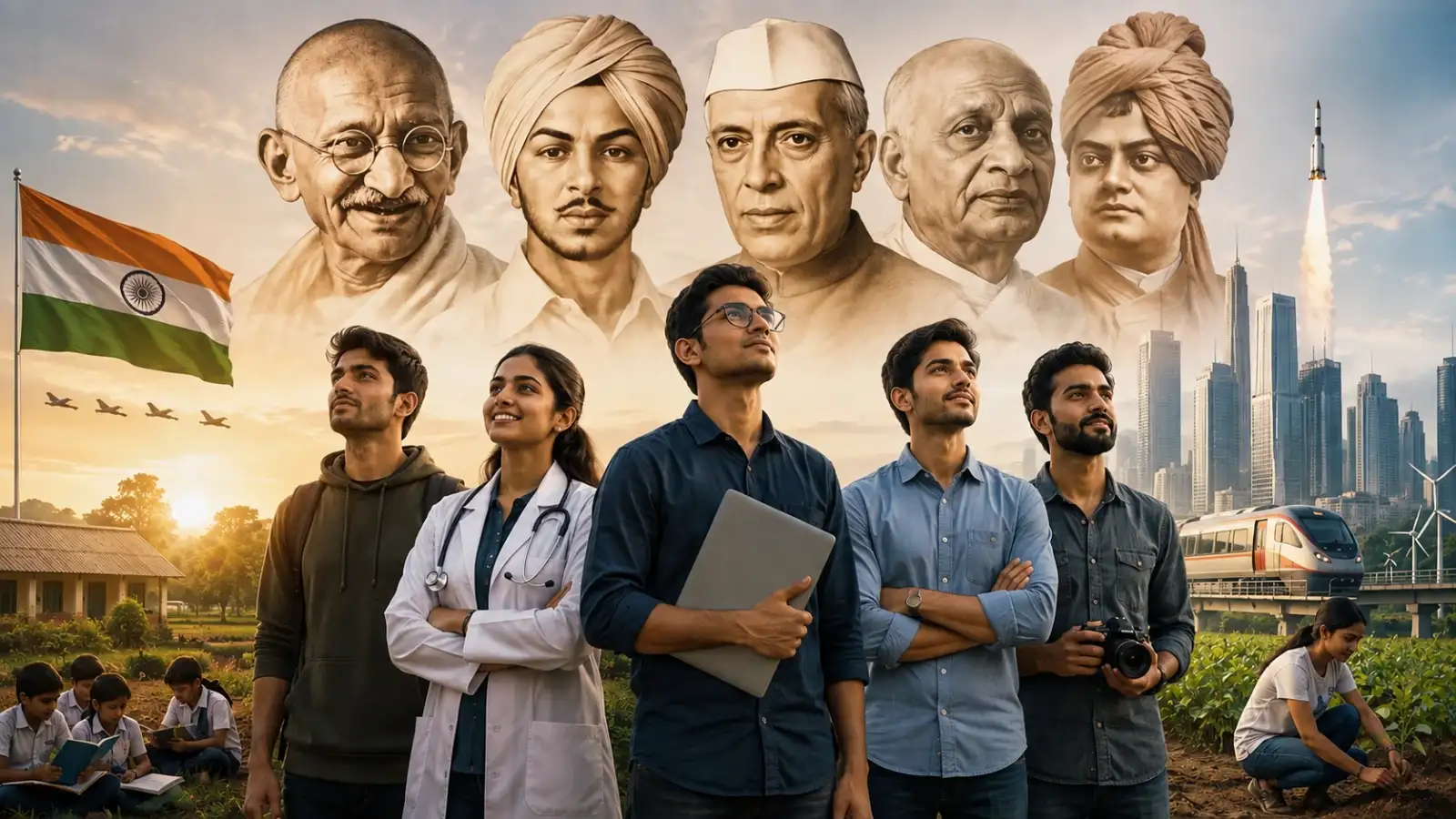
What Would the Freedom Fighters Think About India’s Youth Today: Pride and High Expectations
Freedom fighters envisioned a nation of dignity and opportunity for its youth. Modern Indian youth excel in education and technology, reflecting this vision. However, concerns arise regarding materialism and Western lifestyle influences. Youngsters demonstrate fearlessness and active social awareness against injustice. Preserving national unity and selfless service remains crucial for the future.
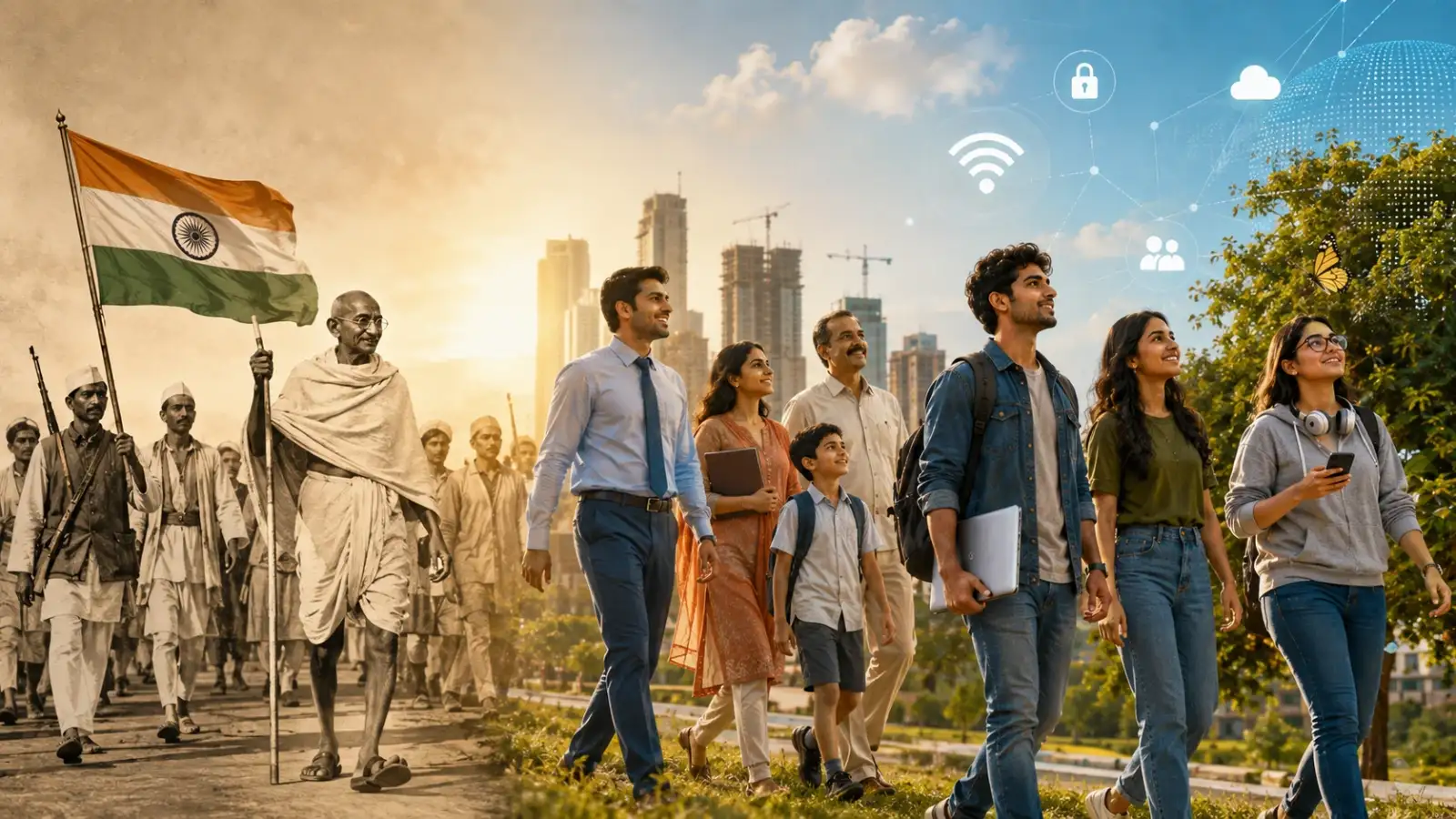
Is Freedom Different for Every Generation? Tracing the Legacy of Change
The concept of freedom varies greatly between generations, shifting from a collective focus on liberation to individual autonomy. For older generations, national sovereignty and civil rights were paramount after historical struggles. Meanwhile, middle generations emphasized economic stability and upward mobility. Today, younger individuals prioritize personal expression and mental health in a digital environment. Recognizing these developmental shifts encourages respect and fosters a more equitable society.
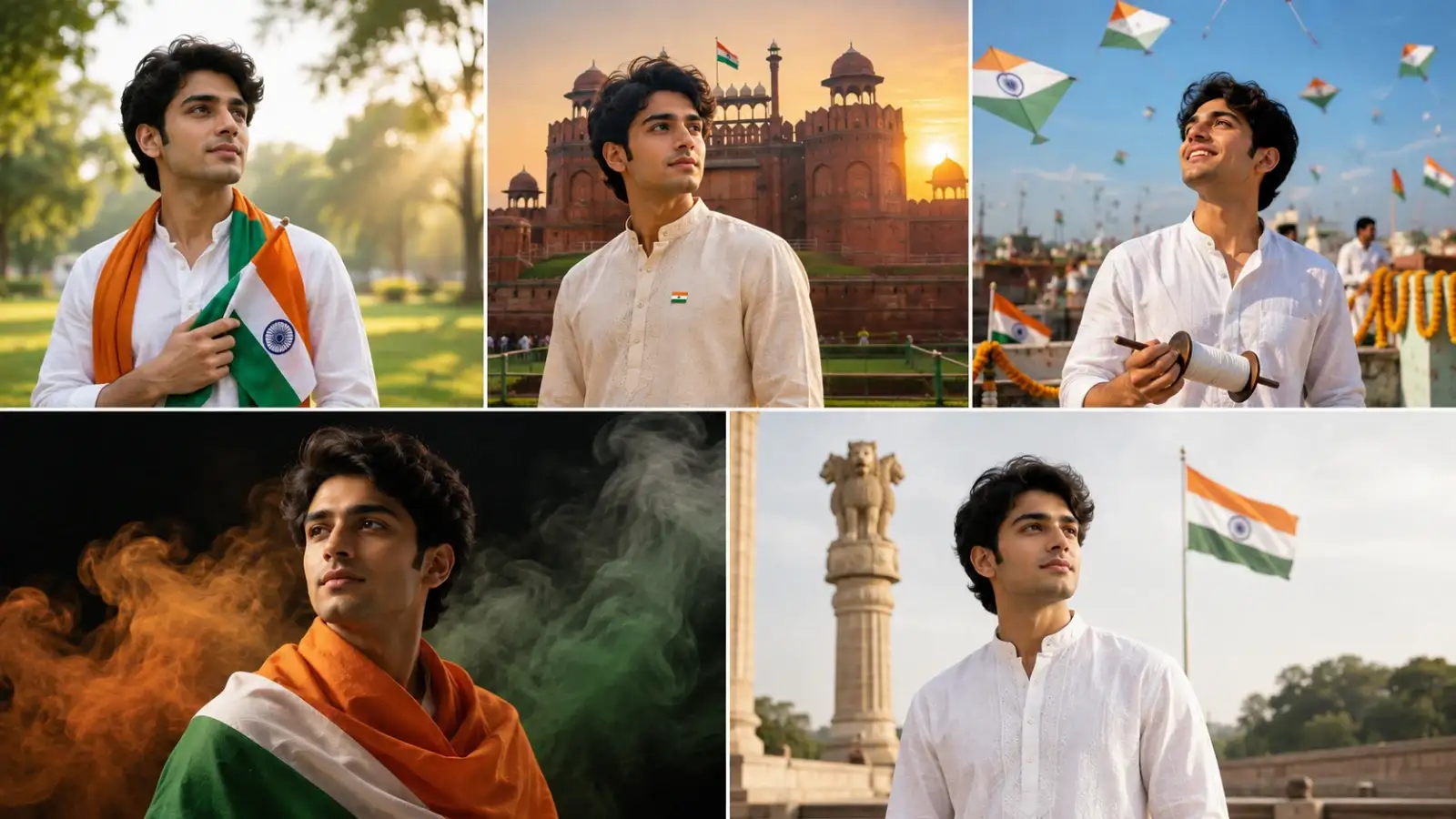
How to Turn Your Selfie Into a Patriotic Portrait for Independence Day 2026
As Independence Day 2026 approaches, a novel trend in AI photography is set to unfold. Innovators are leveraging AI image generators to transform ordinary selfies into stunning patriotic artwork. Five carefully crafted prompts are available for enthusiasts to explore, featuring themes like classic, majestic, festive, dramatic, and elegant. This trend offers a fresh and creative way to express national pride, making it accessible to all.
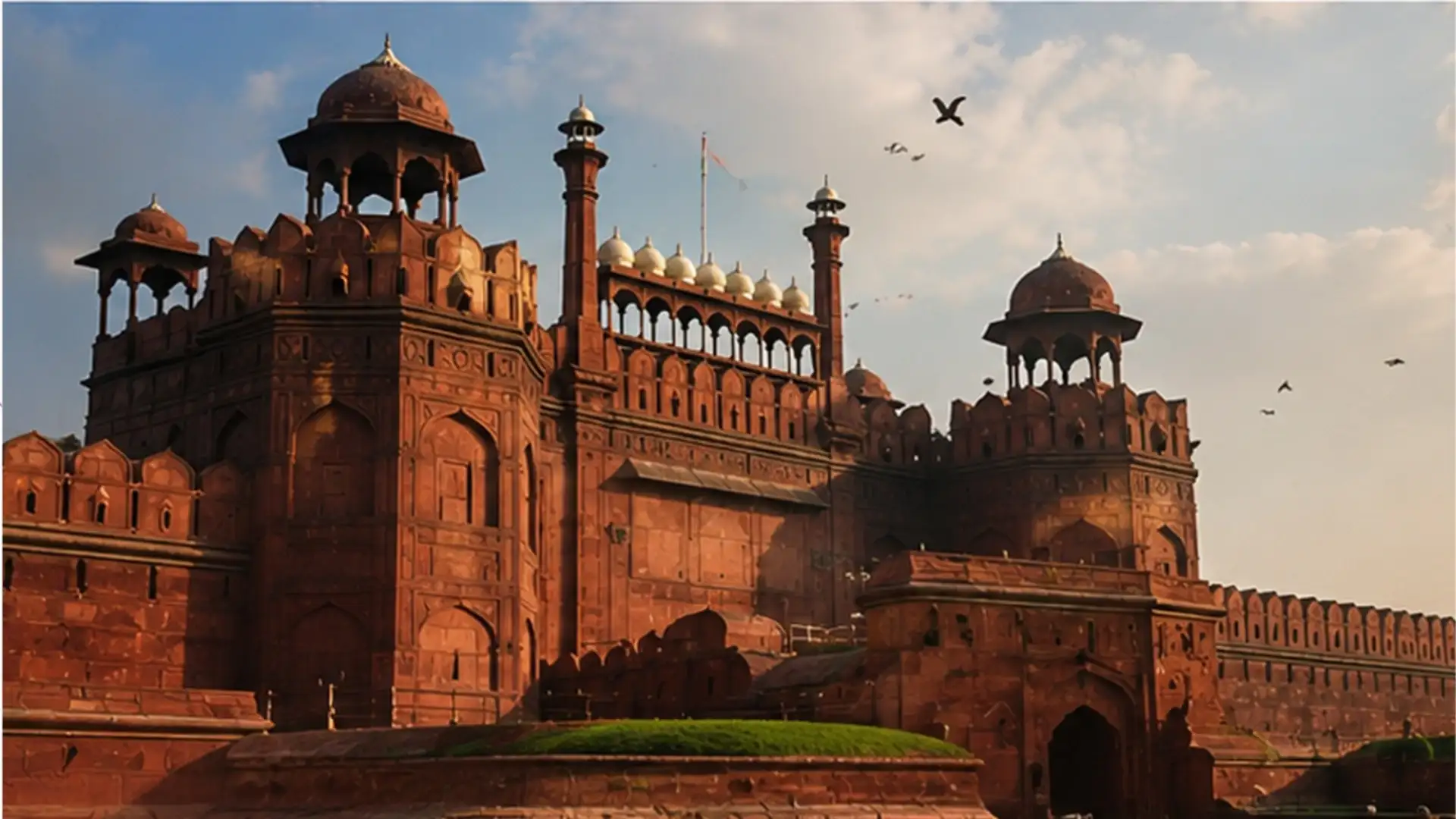
Why Was the Red Fort Chosen for India's Independence Day Celebration?
The Red Fort stands as a historical testament to Mughal sovereignty and power in Delhi. Following the events of 1857, it transformed into a symbol of colonial dominance and the struggle against British oppression. In the 1940s, it became notably associated with the Indian National Army trials. Chosen for independence celebrations, it epitomizes a pivotal shift in governance, with this tradition upheld annually, solidifying its status as a national emblem.
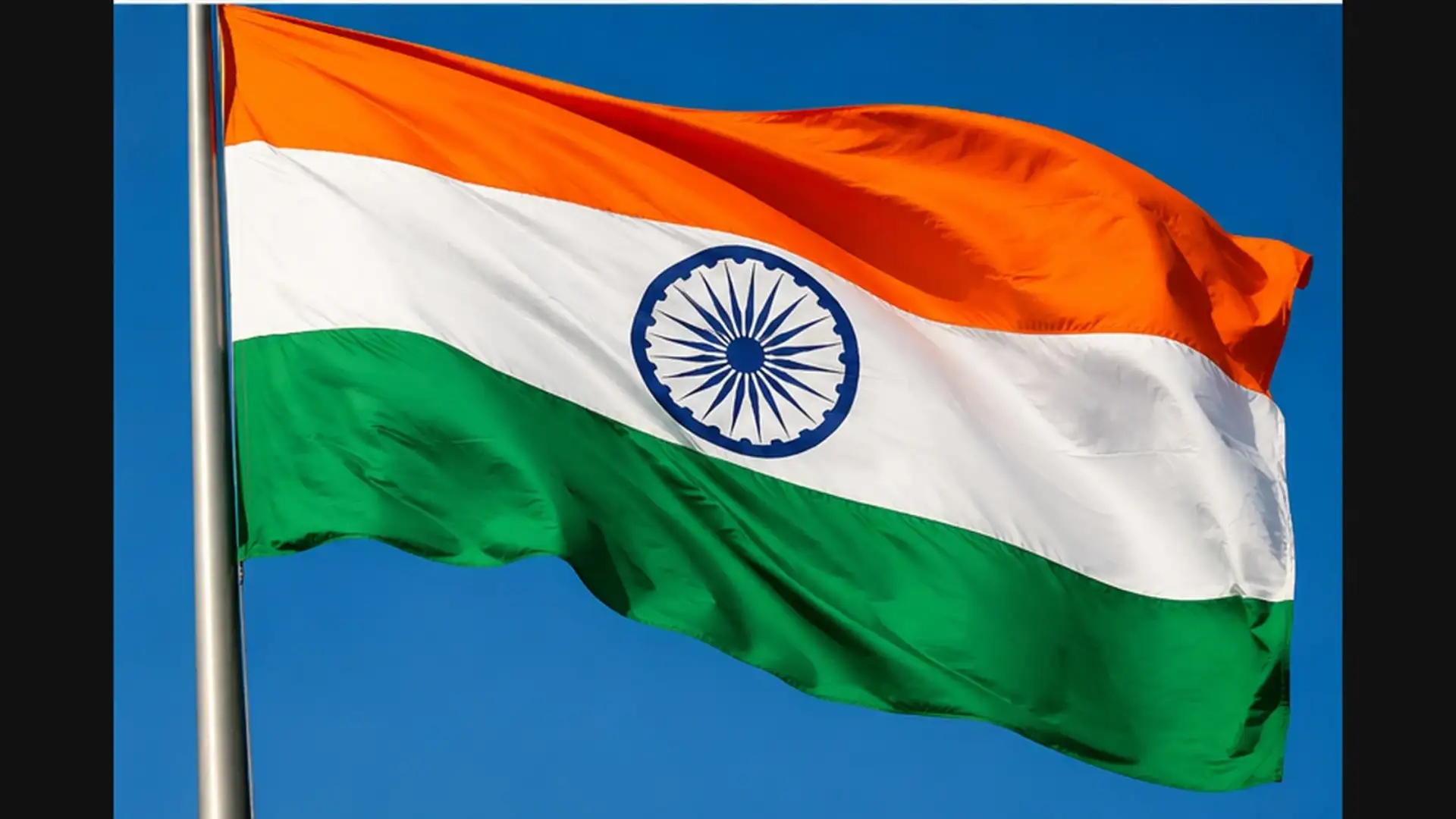
Why Does India Have Three Colours in Its National Flag? The Meaning Behind Each One
The design of the Indian national flag was officially adopted by the Constituent Assembly on July 22, 1947. Each color has its own significance: saffron stands for strength and courage, white symbolizes peace and truth, and green represents fertility and the country's growth. Additionally, the Ashoka Chakra embodies movement and progress, uniting these elements into a powerful national symbol for all Indians.
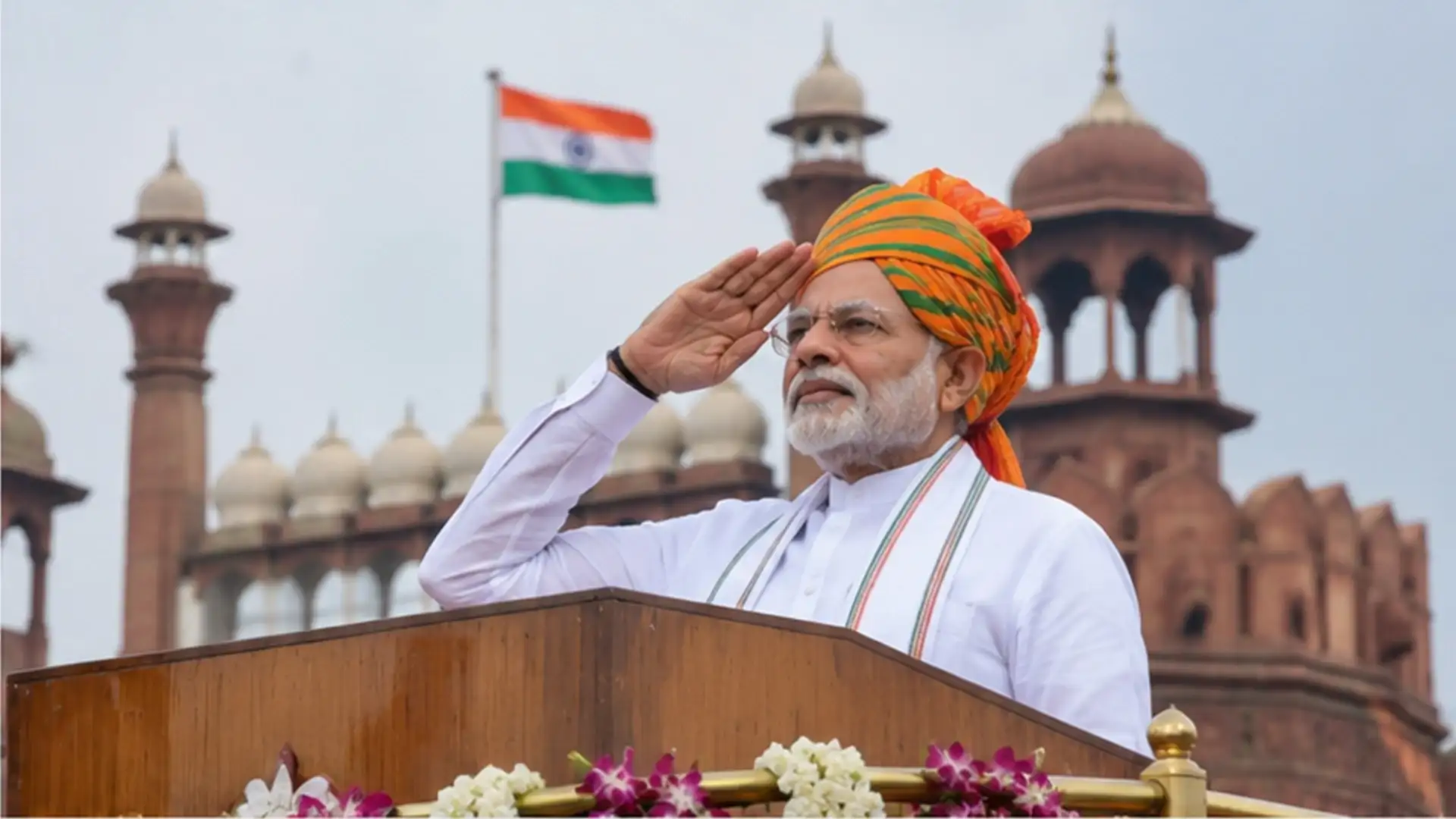
Why Does the Prime Minister Hoist the National Flag at Red Fort?
Every year, the Prime Minister delivers a heartfelt address to the nation from the iconic Red Fort on Independence Day. This significant tradition originated with Jawaharlal Nehru in 1947, symbolizing India's journey from imperial rule to democracy. The Red Fort stands as a tribute to the struggles of 1857 and the valor of the Indian National Army, anchoring the past in the promise of modern governance.
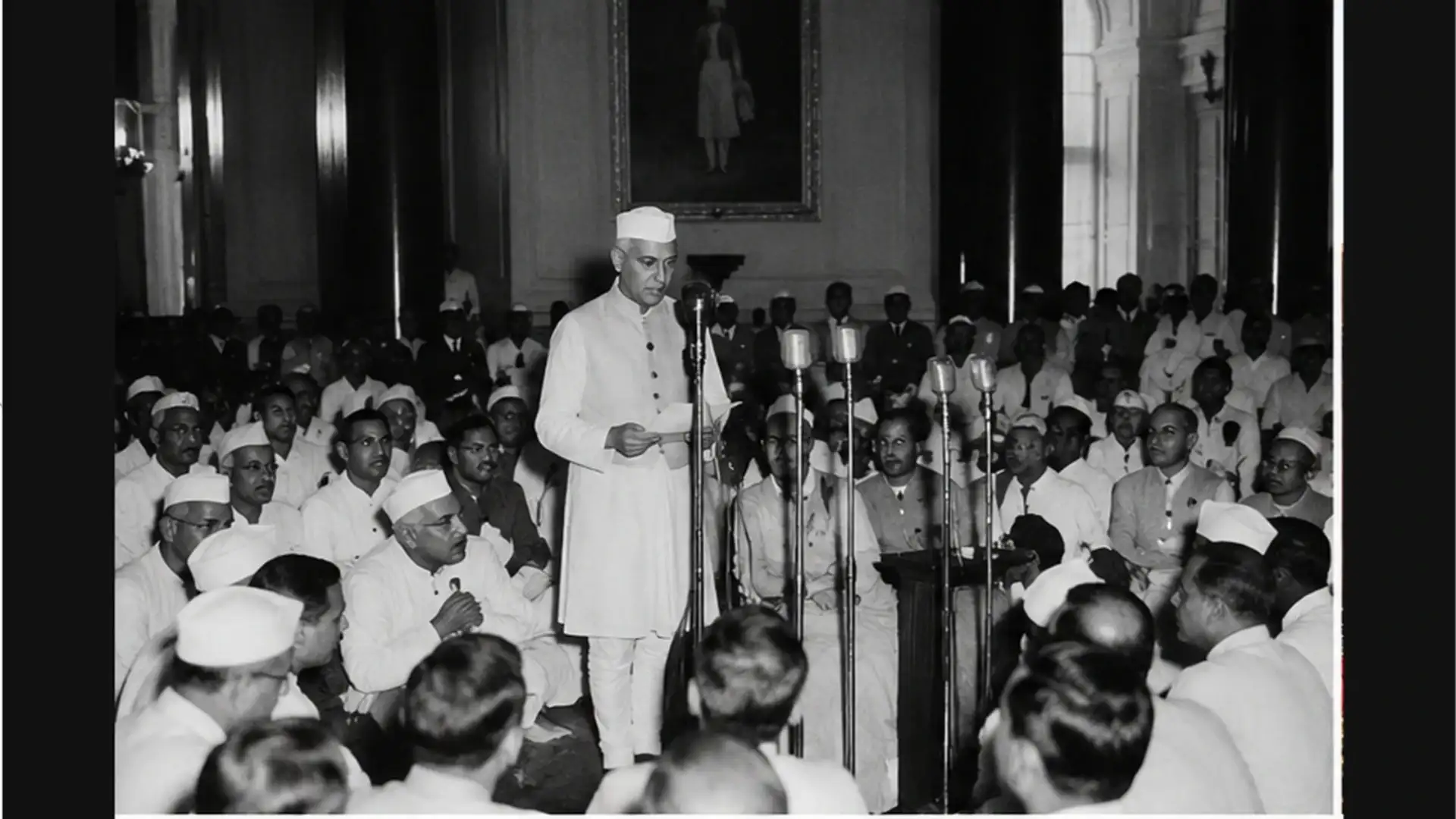
The Midnight India Became Independent: What Actually Happened on August 14-15, 1947?
At midnight, India welcomed its independence through a historic constitutional transfer of power. Jawaharlal Nehru's iconic 'Tryst with Destiny' speech resonated in the halls of the Constituent Assembly. However, this milestone was overshadowed by the suffering of Partition and the displacement it caused. Interestingly, the ceremony at the Red Fort took place on August 16, not on the 15th.