
Who Was Ajit Pawar? Timeline, Achievements, And His Impact On Maharashtra

Ajit Pawar, the Deputy Chief Minister of Maharashtra, died on Wednesday, January 28, after the plane he was travelling in crash-landed at Baramati Airport in Pune district, Maharashtra. The aircraft, reportedly chartered from Mumbai, came down near the runway while attempting to land. Pawar was immediately rushed to a hospital, but could not be saved. His sudden death has left Maharashtrians in shock, with leaders across India expressing their condolences on the loss of the prominent political figure.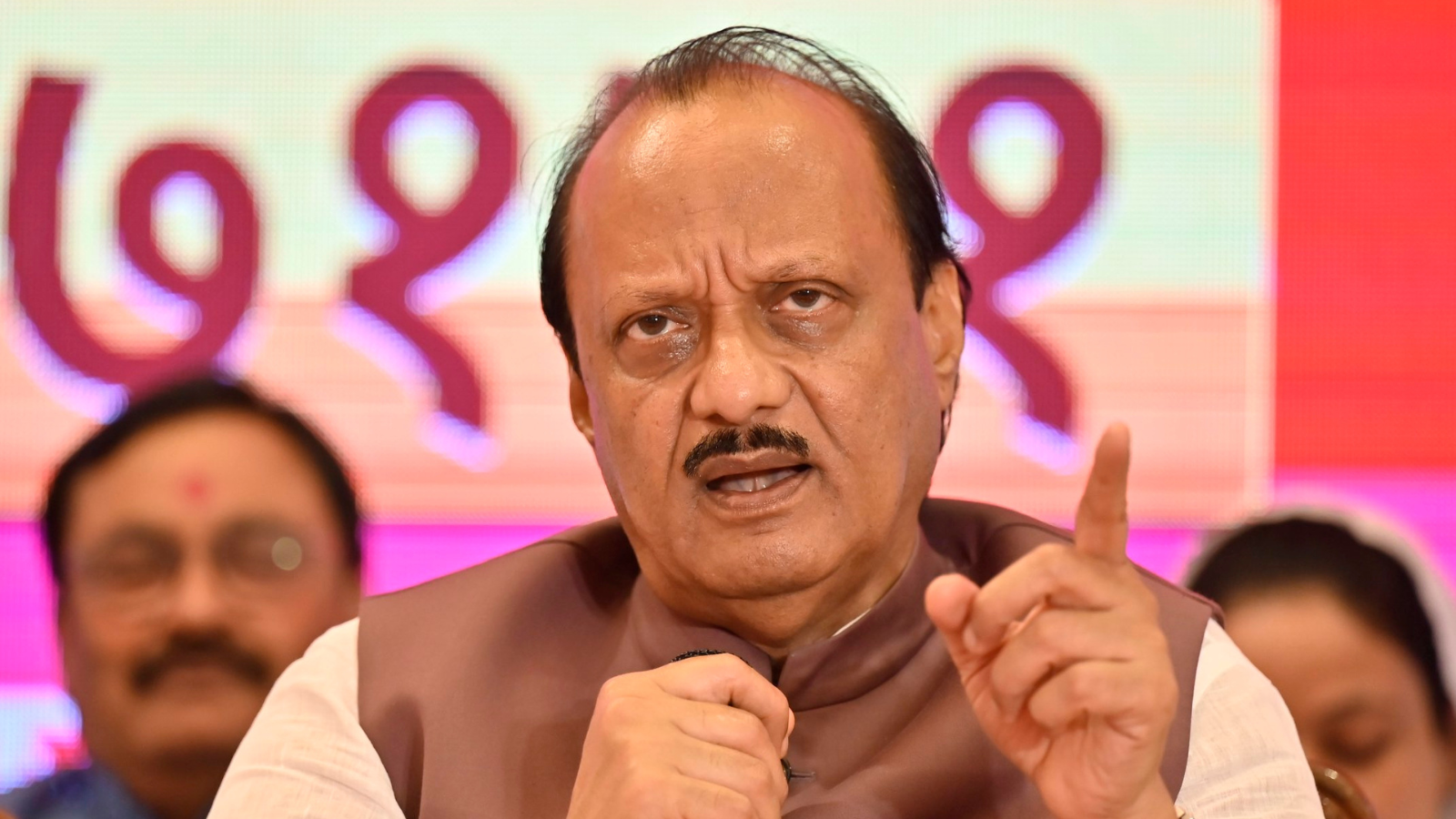
Early Life and Political Rise
Born on 22 July 1959, Ajit Pawar was a towering figure in Maharashtra politics for over three decades. A nephew of veteran leader Sharad Pawar , he carved his own path with a reputation for administrative acumen and grassroots influence in western Maharashtra. Starting his political career in the early 1990s, he first won a seat in the Maharashtra Legislative Assembly in 1991, laying the foundation for a long and impactful journey.
Known for his firm grip on governance, Pawar climbed the ranks of the Nationalist Congress Party (NCP) and became one of its most powerful leaders. He served multiple terms as Deputy Chief Minister of Maharashtra, overseeing critical portfolios such as finance and irrigation. His strategic decisions and political manoeuvres made him a key player in the state’s coalition politics.
Throughout his career, Ajit Pawar was both admired and criticised. He played pivotal roles in several government formations, including the Congress-NCP coalition and later alliances with other parties. In 2019, he led a faction of the NCP in forming a government with the BJP, a move that reshaped Maharashtra’s political landscape.
Like many high-profile politicians, he was no stranger to controversy. Pawar faced allegations related to irrigation projects and mining operations, and his outspoken leadership style often drew public scrutiny. Yet, he was also seen as a leader who could get things done, earning loyalty from many within his party and beyond.
Legacy and Impact
Ajit Pawar’s influence extended beyond party politics into the everyday lives of Maharashtra’s citizens. He maintained strong support among local legislators and workers, showing a deep understanding of the state’s complex power dynamics. His ability to navigate coalition politics and win elections made him a central figure in shaping Maharashtra’s governance.
As Maharashtra comes to terms with his loss, conversations are already beginning about his political legacy and what his absence means for the future of the state’s leadership. Pawar’s long tenure, strategic acumen, and complex legacy will remain key topics in political discussions in the weeks and months ahead.
Early Life and Political Rise
Born on 22 July 1959, Ajit Pawar was a towering figure in Maharashtra politics for over three decades. A nephew of veteran leader Sharad Pawar , he carved his own path with a reputation for administrative acumen and grassroots influence in western Maharashtra. Starting his political career in the early 1990s, he first won a seat in the Maharashtra Legislative Assembly in 1991, laying the foundation for a long and impactful journey.Known for his firm grip on governance, Pawar climbed the ranks of the Nationalist Congress Party (NCP) and became one of its most powerful leaders. He served multiple terms as Deputy Chief Minister of Maharashtra, overseeing critical portfolios such as finance and irrigation. His strategic decisions and political manoeuvres made him a key player in the state’s coalition politics.
Political Influence and Controversies
Throughout his career, Ajit Pawar was both admired and criticised. He played pivotal roles in several government formations, including the Congress-NCP coalition and later alliances with other parties. In 2019, he led a faction of the NCP in forming a government with the BJP, a move that reshaped Maharashtra’s political landscape.
Like many high-profile politicians, he was no stranger to controversy. Pawar faced allegations related to irrigation projects and mining operations, and his outspoken leadership style often drew public scrutiny. Yet, he was also seen as a leader who could get things done, earning loyalty from many within his party and beyond.
Legacy and Impact
Ajit Pawar’s influence extended beyond party politics into the everyday lives of Maharashtra’s citizens. He maintained strong support among local legislators and workers, showing a deep understanding of the state’s complex power dynamics. His ability to navigate coalition politics and win elections made him a central figure in shaping Maharashtra’s governance.As Maharashtra comes to terms with his loss, conversations are already beginning about his political legacy and what his absence means for the future of the state’s leadership. Pawar’s long tenure, strategic acumen, and complex legacy will remain key topics in political discussions in the weeks and months ahead.
Next Story