
Why Chemists Across India Are Going on Strike Against Online Pharmacies on May 20

The All-India Organisation of Chemists and Druggists ( AIOCD ), which represents nearly 12.4 lakh chemists, pharmacists, and drug distributors across India, has announced a nationwide strike on May 20. The protest is expected to impact medicine supply in several parts of the country for the day.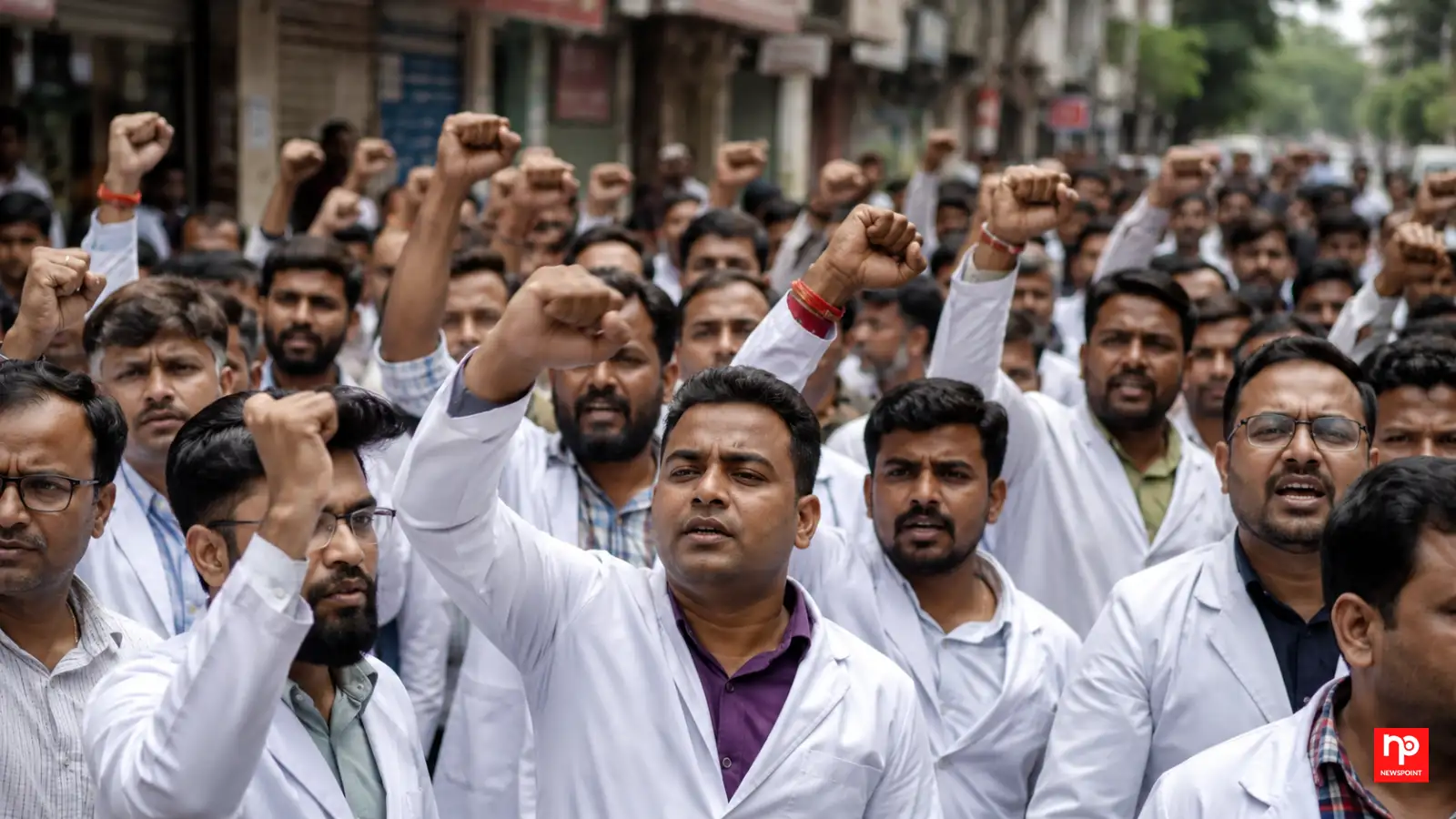
According to the association, the strike has been called to highlight what it describes as serious regulatory gaps that have allowed e-pharmacies and instant medicine delivery platforms to operate without strict oversight.
The AIOCD argues that these notifications have created a legal grey area for online pharmacies. According to the association, there is still no complete regulatory framework explaining how e-pharmacies should verify prescriptions, dispense medicines, or face accountability in case of violations.
“There is a growing concern about e-pharmacies and instant delivery apps fulfilling wrong or fake prescriptions. And, this has been possible because of the regulatory lacunae left by the drug regulator. We understand that online pharmacies are here to stay, but they should be regulated as rigorously as the brick-and-mortar ones. This is the reason we have asked the government to withdraw the GSR 220 E and GSR 817 E notifications that have allowed these pharmacies to operate in a legal grey zone,” said Rajiv Singhal, general secretary of AIOCD.
However, the draft notification was never officially implemented or withdrawn. According to the chemists’ body, this prolonged uncertainty has allowed online pharmacy platforms to continue operating without a clearly defined legal structure.
The association says the government has repeatedly assured stakeholders that the issue would be reviewed, but no concrete action has been taken so far.
Singhal stated that GSR 817(E) has remained pending for years. “the review has been going on for years,” he said.
The chemists’ association believes that while the rule made sense during the pandemic, e-pharmacy companies are now using it as a loophole to continue online medicine sales without a dedicated legal framework.
“This was an emergency measure for the pandemic. This notification should now be withdrawn and a proper framework should be established for the e-pharmacies,” says Singhal.
Traditional chemists allege that some online medicine delivery platforms are supplying medicines based on fake or poorly verified prescriptions, including prescriptions issued by unregistered medical practitioners.
The association has also raised concerns about heavy discounting by large corporate-backed e-pharmacy companies. According to AIOCD, discounts exceeding 50 percent are hurting small local pharmacies that cannot compete with deep-pocketed corporations.
“The corporations can pump in their profits to offer such discounts but it is not possible for small shops to do that. This leads to unfair competition. We want such practices to be regulated,” said Singhal.
According to AIOCD, they were only assured that the issue would be reviewed. The association says this response is not enough, especially since discussions around regulating e-pharmacies have continued for several years without a final policy decision.
Health ministry officials, however, have stated that the issue is currently under consideration.
However, the national chemists’ association has disputed those claims and insists that the shutdown will take place across the country.
Patients who depend on regular medicines, especially those with chronic illnesses, are being advised to keep adequate stock in advance to avoid inconvenience during the strike period.
According to the association, the strike has been called to highlight what it describes as serious regulatory gaps that have allowed e-pharmacies and instant medicine delivery platforms to operate without strict oversight.
Why Are Chemists Protesting?
The core demand of the chemists’ association is the withdrawal of two government notifications, GSR 220(E) and GSR 817(E).The AIOCD argues that these notifications have created a legal grey area for online pharmacies. According to the association, there is still no complete regulatory framework explaining how e-pharmacies should verify prescriptions, dispense medicines, or face accountability in case of violations.
“There is a growing concern about e-pharmacies and instant delivery apps fulfilling wrong or fake prescriptions. And, this has been possible because of the regulatory lacunae left by the drug regulator. We understand that online pharmacies are here to stay, but they should be regulated as rigorously as the brick-and-mortar ones. This is the reason we have asked the government to withdraw the GSR 220 E and GSR 817 E notifications that have allowed these pharmacies to operate in a legal grey zone,” said Rajiv Singhal, general secretary of AIOCD.
What Is GSR 817(E) and Why Is It Controversial?
GSR 817(E) is a draft notification introduced around eight years ago to create rules for e-pharmacies in India. The proposal included registration rules for online pharmacies, prescription verification guidelines, operational safeguards, and penalties for violations.However, the draft notification was never officially implemented or withdrawn. According to the chemists’ body, this prolonged uncertainty has allowed online pharmacy platforms to continue operating without a clearly defined legal structure.
The association says the government has repeatedly assured stakeholders that the issue would be reviewed, but no concrete action has been taken so far.
Singhal stated that GSR 817(E) has remained pending for years. “the review has been going on for years,” he said.
What About GSR 220(E)?
GSR 220(E) was introduced during the Covid-19 pandemic as an emergency measure to help registered pharmacies deliver medicines directly to customers’ homes.The chemists’ association believes that while the rule made sense during the pandemic, e-pharmacy companies are now using it as a loophole to continue online medicine sales without a dedicated legal framework.
“This was an emergency measure for the pandemic. This notification should now be withdrawn and a proper framework should be established for the e-pharmacies,” says Singhal.
Why Are Traditional Chemists Opposing E-Pharmacies?
The protest is not only about business competition but also about patient safety, according to the association.Traditional chemists allege that some online medicine delivery platforms are supplying medicines based on fake or poorly verified prescriptions, including prescriptions issued by unregistered medical practitioners.
You may also like
- US clears $428M support deals for India's Apache, M777 systems
- "Nitin Nabin's interaction with party workers will accelerate our pace of work": Odisha Deputy CM Pravati Parida
- "Forces that promise to bind nations together became instruments of coercion...": Indian Army Chief
- Supreme Court reaffirms stray dog removal, bars returning sterilized dogs
- Fuel price hike: Delhi-NCR to see three-day strike by cab, auto drivers starting Thursday
The association has also raised concerns about heavy discounting by large corporate-backed e-pharmacy companies. According to AIOCD, discounts exceeding 50 percent are hurting small local pharmacies that cannot compete with deep-pocketed corporations.
“The corporations can pump in their profits to offer such discounts but it is not possible for small shops to do that. This leads to unfair competition. We want such practices to be regulated,” said Singhal.
Has the Government Responded?
Representatives of the chemists’ association reportedly met the apex drug regulator last month to discuss the matter.According to AIOCD, they were only assured that the issue would be reviewed. The association says this response is not enough, especially since discussions around regulating e-pharmacies have continued for several years without a final policy decision.
Health ministry officials, however, have stated that the issue is currently under consideration.
Will the Strike Affect the Entire Country?
The health ministry has indicated that some state pharmacy associations, including groups in West Bengal, may not participate in the nationwide strike.However, the national chemists’ association has disputed those claims and insists that the shutdown will take place across the country.
Will Medicine Supply Be Disrupted?
If participation in the strike is widespread, there could be temporary disruptions in medicine availability on May 20.Patients who depend on regular medicines, especially those with chronic illnesses, are being advised to keep adequate stock in advance to avoid inconvenience during the strike period.






More from our partners


Loving Newspoint? Download the app now
