
Delhi Metro, Trains and Cabs Face Restrictions Ahead of the October 10 CJP Protest

The capital is preparing for heightened security ahead of the Cockroach Janta Party (CJP) protest scheduled for October 10, 2026, at Jantar Mantar. The protest is aimed at demanding for the resignation of Chief Election Commissioner (CEC) Gyanesh Kumar following the controversy surrounding the Special Intensive Revision (SIR) of electoral rolls.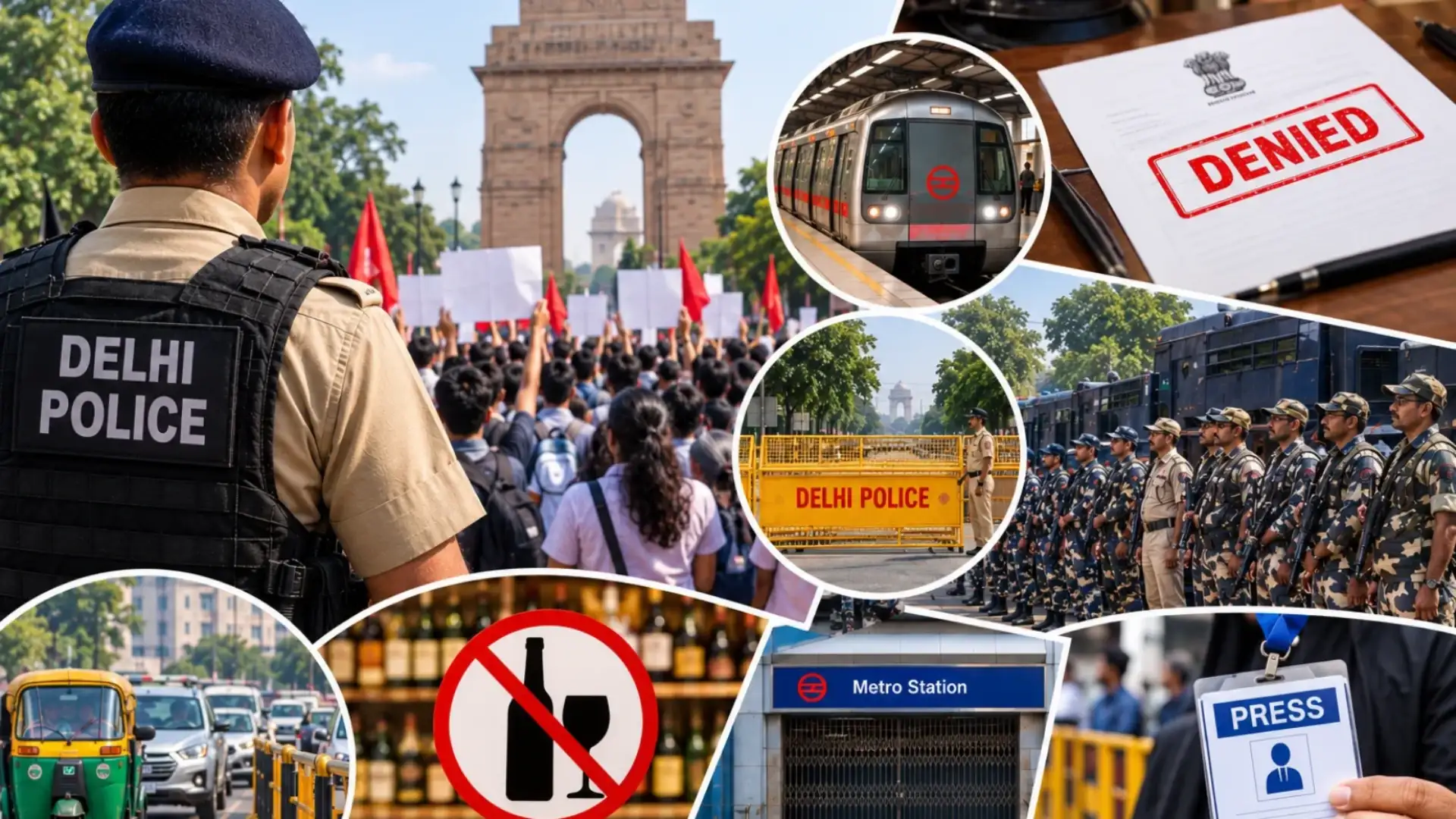
The Police has denied permission for the planned protest, stating prohibitory orders under Section 163 of the Bharatiya Nagarik Suraksha Sanhita (BNSS). With several Opposition parties expected to join the protest, authorities are stepping up their security arrangements, regulating public transport services and preparing detention facilities across the territory.
The refusal also comes amid heightened security arrangements, following the previous protests which were organised by the group. During a CJP-led demonstration on July 20, around 16 metro stations were shut. This time, Delhi witnesses the shutdown of 57 metro stations. The police have cited the late submission of the application as the reason for denying permission this time.
The Delhi Metro, through its post on X, has also indicated the shut down of 57 metro stations being planned from 9 pm on October 9 itself. Commuters are advised to check the exact extent and duration of metro restrictions before their travels.
App-based taxi services, including Ola and Uber, are also being coordinated with, as authorities prepare to restrict access to roads leading into Lutyens’ Delhi. Hotels, guest houses and accommodation providers have reportedly even been asked to restrict fresh bookings or remain closed for a specified period.
Alongside that, liquor outlets across Delhi have been ordered to remain closed on October 9 and 10 as a preventive measure to maintain public order.
The Delhi authorities’ preparations for the October 10 CJP protest reflect their efforts to prevent a potential law-and-order situation in the city. The denial of permission, and restrictions affecting the metro are expected to affect commuters and residents, particularly in central Delhi.
While authorities have cited public-order concerns and procedural requirements, the planned restrictions also raise questions about how large public demonstrations can be managed without unnecessarily disrupting everyday life. As the protest date approaches, residents should monitor official police and transport advisories for confirmed updates on road closures, metro operations and other restrictions.
The Police has denied permission for the planned protest, stating prohibitory orders under Section 163 of the Bharatiya Nagarik Suraksha Sanhita (BNSS). With several Opposition parties expected to join the protest, authorities are stepping up their security arrangements, regulating public transport services and preparing detention facilities across the territory.
Delhi Police Denies Permission for CJP Protest
The Joint Commissioner of Police, Ms. Nupur Prasad said that the application submitted by CJP spokesperson Saurav Das was not submitted according to the required timeline. Prasad stated that applications for protests must be submitted at least 10 days before the proposed event. However, the application was received on October 7, just three days before the protest, scheduled on October 10.The refusal also comes amid heightened security arrangements, following the previous protests which were organised by the group. During a CJP-led demonstration on July 20, around 16 metro stations were shut. This time, Delhi witnesses the shutdown of 57 metro stations. The police have cited the late submission of the application as the reason for denying permission this time.
Metro Services and Public Transport Face Restrictions
Daily commuters may face disruption as the capital’s authorities prepare to restrict public transport around central Delhi. Police are also coordinating with railway authorities to regulate train movements into the city, for the officials are concerned about the possible arrival of protesters from outside Delhi.The Delhi Metro, through its post on X, has also indicated the shut down of 57 metro stations being planned from 9 pm on October 9 itself. Commuters are advised to check the exact extent and duration of metro restrictions before their travels.
App-based taxi services, including Ola and Uber, are also being coordinated with, as authorities prepare to restrict access to roads leading into Lutyens’ Delhi. Hotels, guest houses and accommodation providers have reportedly even been asked to restrict fresh bookings or remain closed for a specified period.
Alongside that, liquor outlets across Delhi have been ordered to remain closed on October 9 and 10 as a preventive measure to maintain public order.
The Delhi authorities’ preparations for the October 10 CJP protest reflect their efforts to prevent a potential law-and-order situation in the city. The denial of permission, and restrictions affecting the metro are expected to affect commuters and residents, particularly in central Delhi.
While authorities have cited public-order concerns and procedural requirements, the planned restrictions also raise questions about how large public demonstrations can be managed without unnecessarily disrupting everyday life. As the protest date approaches, residents should monitor official police and transport advisories for confirmed updates on road closures, metro operations and other restrictions.
Next Story