
CNG Vehicle Owners Alert: New Automated System To Check Cylinder Certificates At Fuel Stations

CNG vehicle safety is set to get a technology-led boost with the rollout of an automated verification system at select fuel stations. The system checks whether a vehicle’s CNG cylinder has a valid hydro-test certificate before refuelling, reducing the need for manual verification and helping identify vehicles with expired safety records.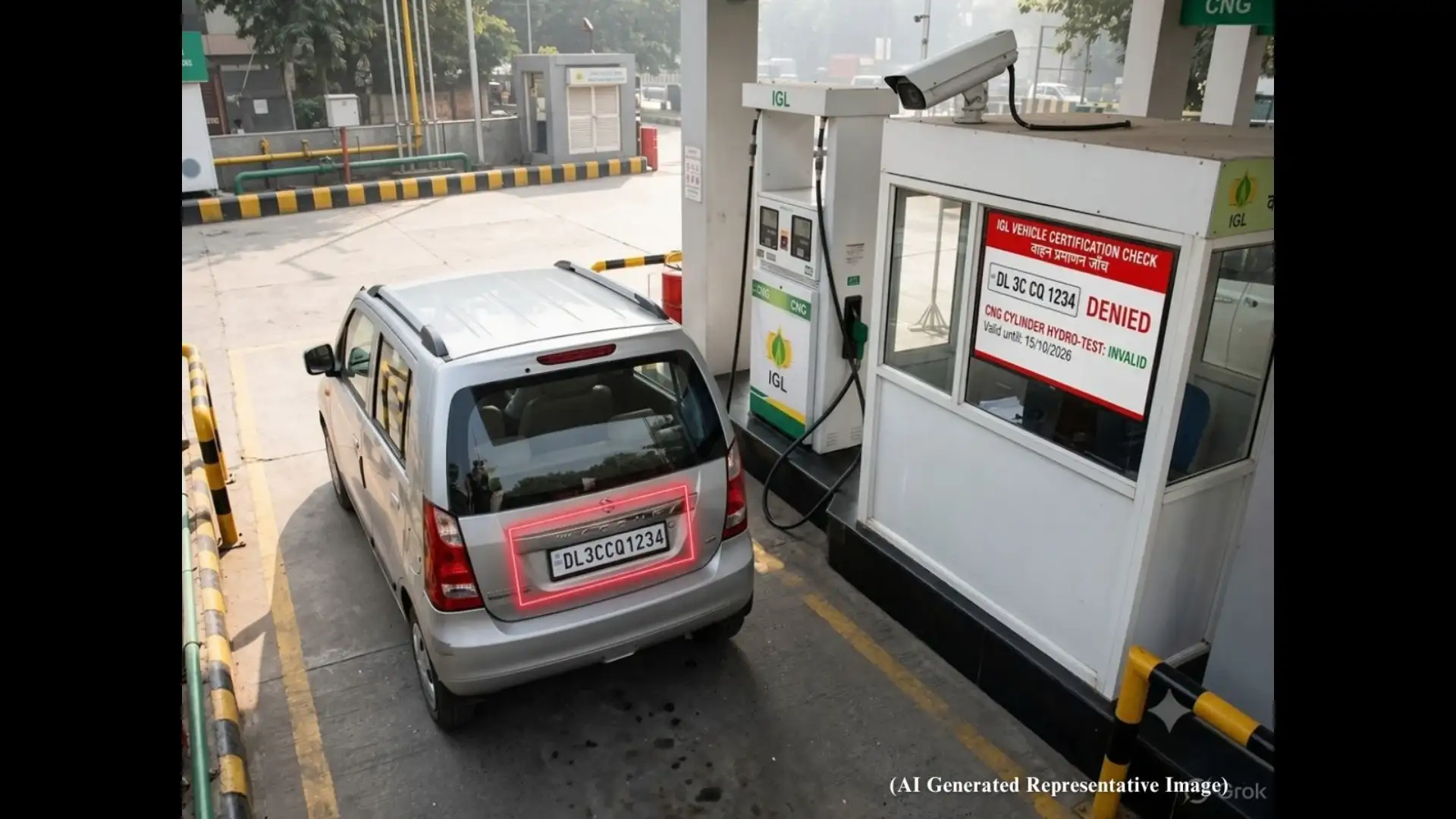
The technology is currently operational at 10 stations. It has been introduced as the first phase of a wider digital safety initiative aimed at improving checks on CNG vehicles and creating a more efficient way to monitor cylinder certification.
The system subsequently verifies the cylinder’s status through the relevant safety database. Station personnel can see whether the cylinder’s hydro-test certificate remains valid or whether it has already expired, giving them access to the information during the refuelling process.
This approach is designed to make CNG cylinder verification faster and more consistent. Instead of relying entirely on physical documents or manual checks, the system connects vehicle identification with digital certification records.
For CNG vehicle owners , this makes keeping cylinder certification up to date increasingly important. A valid hydro-test certificate is not simply a record to be carried in a vehicle; it confirms that the cylinder has undergone the required safety testing.
Under existing safety requirements, CNG cylinders must undergo hydro-testing at a certified testing facility once every three years. Regular testing is intended to ensure that cylinders remain fit for continued use and that potential safety concerns are identified through scheduled inspections.
The current rollout covers only a small number of stations, but the system is expected to be expanded across the wider network. If implemented on a larger scale, automated CNG verification could make certificate checks a routine part of the refuelling process.
For motorists, the immediate takeaway is straightforward: CNG cylinder hydro-testing should not be allowed to lapse. As digital verification becomes more widespread, vehicles with expired certificates could increasingly face interruptions when their owners attempt to refuel.
The technology is currently operational at 10 stations. It has been introduced as the first phase of a wider digital safety initiative aimed at improving checks on CNG vehicles and creating a more efficient way to monitor cylinder certification.
How the new CNG verification system works
The automated system begins by capturing the vehicle’s registration number through cameras installed at participating stations. The registration details are then processed through an AI-powered application, which searches for the corresponding CNG cylinder information.The system subsequently verifies the cylinder’s status through the relevant safety database. Station personnel can see whether the cylinder’s hydro-test certificate remains valid or whether it has already expired, giving them access to the information during the refuelling process.
This approach is designed to make CNG cylinder verification faster and more consistent. Instead of relying entirely on physical documents or manual checks, the system connects vehicle identification with digital certification records.
Vehicles with expired certificates could be stopped from refuelling
If the system detects that a CNG cylinder does not have a valid certificate, an automatic alert is generated at the station. Vehicles that fail to meet the required safety criteria will not be allowed to refuel under the automated process.For CNG vehicle owners , this makes keeping cylinder certification up to date increasingly important. A valid hydro-test certificate is not simply a record to be carried in a vehicle; it confirms that the cylinder has undergone the required safety testing.
Under existing safety requirements, CNG cylinders must undergo hydro-testing at a certified testing facility once every three years. Regular testing is intended to ensure that cylinders remain fit for continued use and that potential safety concerns are identified through scheduled inspections.
Technology could make checks easier across more stations
The new system also creates a digital record of vehicles being checked, which could help identify CNG vehicles that do not comply with safety requirements. Automated alerts can reduce the scope for missed checks and allow station staff to respond immediately when a certificate is found to be invalid.The current rollout covers only a small number of stations, but the system is expected to be expanded across the wider network. If implemented on a larger scale, automated CNG verification could make certificate checks a routine part of the refuelling process.
For motorists, the immediate takeaway is straightforward: CNG cylinder hydro-testing should not be allowed to lapse. As digital verification becomes more widespread, vehicles with expired certificates could increasingly face interruptions when their owners attempt to refuel.
Next Story