
Deadline For Updating FASTag KYC: What's The Latest Date?

In a recent development, the National Highways Authority of India (NHAI) has extended the deadline for updating FASTag Know Your Customer ( KYC ) details. The initial deadline set for this crucial update was January 31, but an announcement made on the same day has pushed the deadline further to February 29. NHAI emphasizes the significance of this update for all FASTag users to ensure the seamless functioning of the digital toll collection system.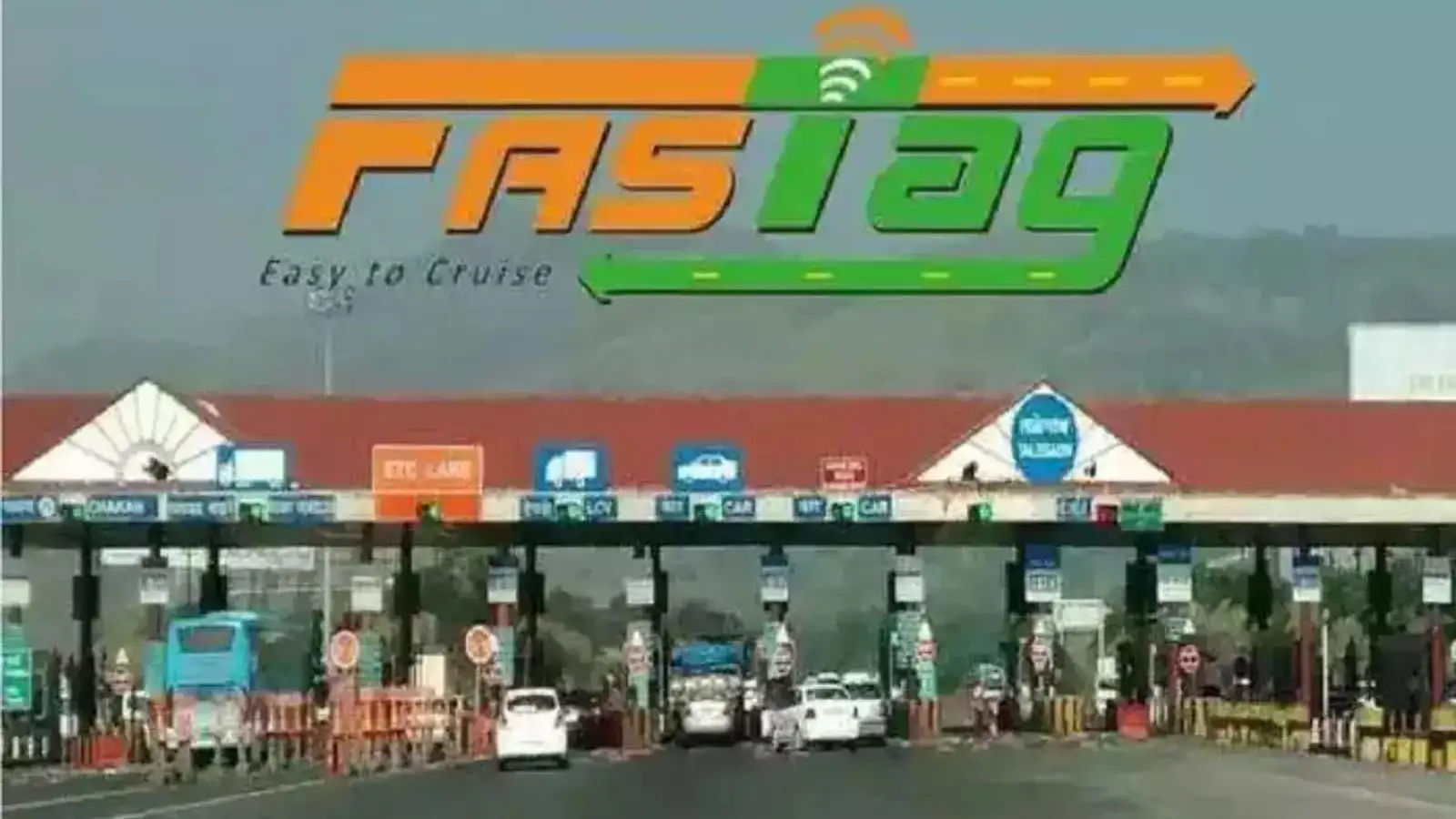
Non-compliance with the KYC update will lead to the deactivation of the user's account, making it imperative for users to act promptly.
NHAI underscores the importance of aligning with the Reserve Bank of India's guidelines during the KYC process. This step is critical not only for the effective operation of the FASTag system but also for streamlining toll collection processes. The ongoing campaign seeks to enhance the travel experience for commuters by optimizing traffic flow at toll plazas.
As part of its initiatives, NHAI introduced the 'One Vehicle, One FASTag' campaign aimed at curbing misuse, such as deploying a single FASTag on multiple vehicles or using different FASTags on a single vehicle. Reports indicate that out of 1.27 crore accounts, seven lakh were deactivated before the initial January 31 deadline.
For FASTag users, NHAI provides a step-by-step guide for updating KYC details:
Step 1: Visit the IHMCL FASTag portal to update your FASTag KYC online.
Step 2: Log in to the portal using your mobile number.
Step 3: Navigate to the "My Profile" tab on the portal.
Step 4: Under the KYC tab, verify your KYC status and "Customer Type."
Step 5: Complete all mandatory fields with your ID and address proof documents.
The KYC update process adheres to RBI guidelines and requires presenting documents such as Passport, Voter's ID, Aadhar Card , Driving Licence , PAN Card, NREGA job card (endorsed by a State Government official), and a copy of the vehicle's registration certificate along with KYC documents.
FASTag users are urged to act promptly and comply with the extended deadline to avoid any disruptions to their accounts.
Non-compliance with the KYC update will lead to the deactivation of the user's account, making it imperative for users to act promptly.
NHAI underscores the importance of aligning with the Reserve Bank of India's guidelines during the KYC process. This step is critical not only for the effective operation of the FASTag system but also for streamlining toll collection processes. The ongoing campaign seeks to enhance the travel experience for commuters by optimizing traffic flow at toll plazas.
You may also like
- FPJ Exclusive | From A Small-Town Dream To Asian Games Spotlight: Pooja Danole's Journey Fueled By Family Sacrifice And Cycling Ambition
- 4 European nations back India's bid for permanent UN seat, Jaishankar calls it 'historic'
- Many other Shivanis: 'Tailgated, provoked to race, shown the middle finger' – a day in the life of women riding bikes
- Grounds in writing a must during arrests even in UAPA: Supreme Court
- Animal shelters to cost 7,000 crore, can't build them, NHAI tells SC
As part of its initiatives, NHAI introduced the 'One Vehicle, One FASTag' campaign aimed at curbing misuse, such as deploying a single FASTag on multiple vehicles or using different FASTags on a single vehicle. Reports indicate that out of 1.27 crore accounts, seven lakh were deactivated before the initial January 31 deadline.
For FASTag users, NHAI provides a step-by-step guide for updating KYC details:
Step 1: Visit the IHMCL FASTag portal to update your FASTag KYC online.
Step 2: Log in to the portal using your mobile number.
Step 3: Navigate to the "My Profile" tab on the portal.
Step 4: Under the KYC tab, verify your KYC status and "Customer Type."
Step 5: Complete all mandatory fields with your ID and address proof documents.
The KYC update process adheres to RBI guidelines and requires presenting documents such as Passport, Voter's ID, Aadhar Card , Driving Licence , PAN Card, NREGA job card (endorsed by a State Government official), and a copy of the vehicle's registration certificate along with KYC documents.
FASTag users are urged to act promptly and comply with the extended deadline to avoid any disruptions to their accounts.






Loving Newspoint? Download the app now
