
Denmark of India: Why This Coastal Town Earned Its Famous Nickname

The Denmark of India is a title given to a small yet historically rich coastal town that reflects strong European influences, organised town planning, and a peaceful lifestyle. Known for its calm atmosphere, disciplined community life, and impressive heritage, this place stands apart from most Indian towns. The Denmark of India refers to Tharangambadi, a charming destination where Danish history, seaside beauty, and cultural harmony come together to create a unique identity.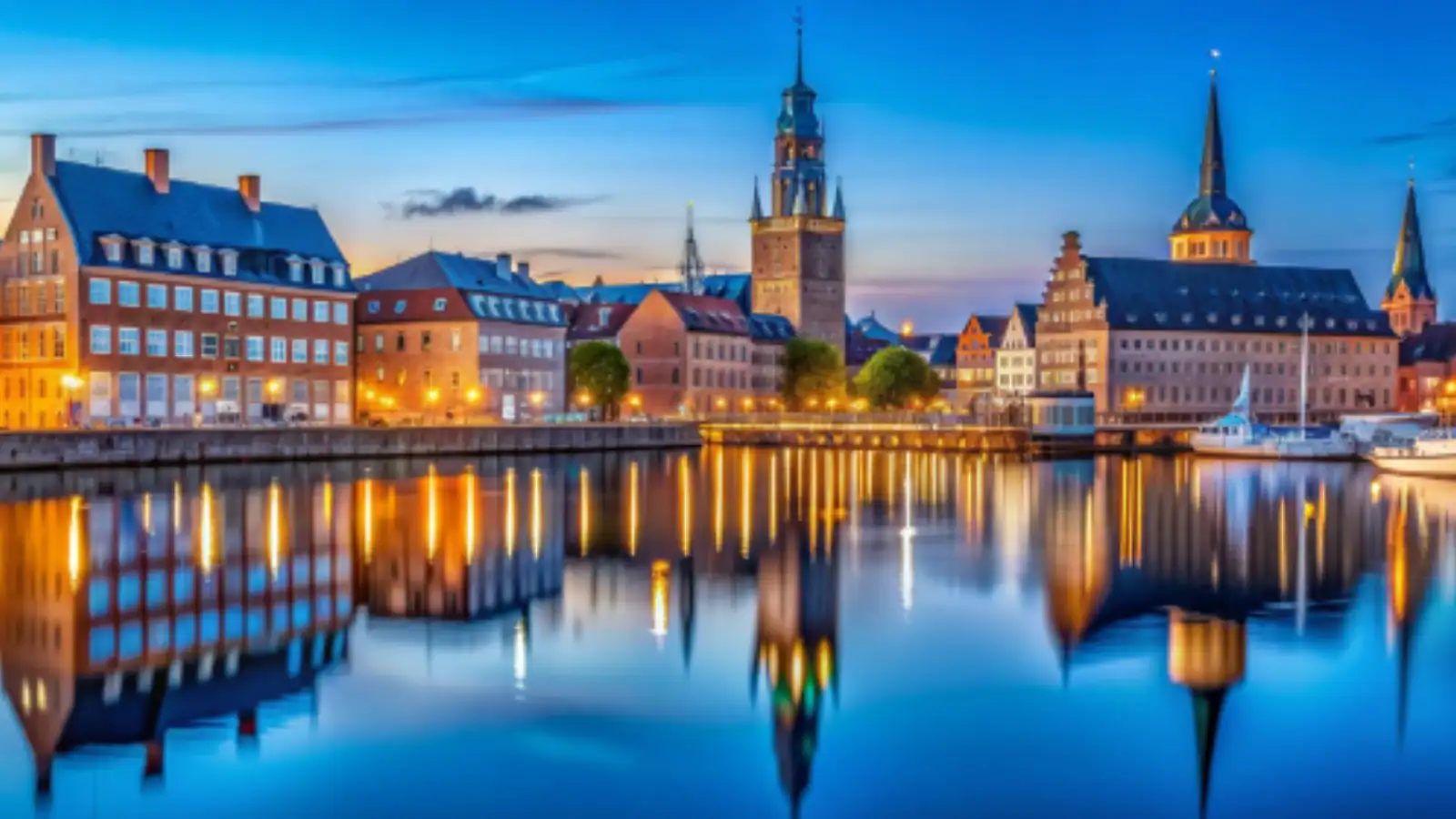
Where Is Tharangambadi Located?
Tharangambadi is a quiet coastal settlement situated in the Mayiladuthurai district along the scenic Coromandel Coast beside the Bay of Bengal.
During the colonial period, the town was widely known as Tranquebar. The name Tharangambadi comes from Tamil and means “Land of the Singing Waves,” a poetic description inspired by the rhythmic sound of waves hitting its tranquil shoreline.
The town’s calm beaches, charming colonial streets, and historic buildings make it a fascinating destination for travellers interested in heritage and coastal beauty.
The Danish Legacy That Shaped the Town
The story behind the nickname Denmark of India goes back several centuries. The town once served as a trading settlement under the rule of Denmark, which governed the region for more than two hundred years.
During this period, Danish settlers built a number of important structures, including churches, forts, warehouses, and residential buildings. These structures reflected European architectural styles that were quite different from traditional Indian designs.
Even after the settlement was sold to the United Kingdom in 1845, many of these historic buildings remained preserved, continuing to showcase the town’s Indo-Danish heritage.
Fort Dansborg: The Iconic Landmark of Tharangambadi
One of the most famous historical structures in the town is Fort Dansborg. Built in the early 17th century by Danish rulers, this majestic seaside fort once served as the administrative and trading centre for Danish activities in India.
Fort Dansborg is considered one of the largest Danish forts constructed outside Denmark. Its thick defensive walls, large halls, and striking yellow exterior reflect classic Danish colonial architecture.
Today, the fort functions as a museum where visitors can explore artefacts, historical displays, and stories from the era of Danish trade and administration in India.
European-Style Town Planning
Another reason why Tharangambadi stands out is its distinctive street layout. Unlike many traditional Indian villages, the town features a grid-style street pattern, with roads intersecting at right angles.
This organised planning style is commonly seen in European towns. Apart from creating a neat appearance, the design also helps improve airflow and keeps buildings cooler in the humid coastal climate.
The layout, combined with colonial-era houses and churches, gives the town a distinctly European charm.
A Town Known for Cleanliness and Serenity
Beyond its historical significance, Tharangambadi is also admired for its peaceful lifestyle and strong sense of community. Residents are known for maintaining clean surroundings and preserving the town’s cultural heritage.
Visitors often notice the calm atmosphere, green surroundings, and disciplined way of life that define daily life here. Some people even describe the area as having an “ozone belt,” referring to the particularly fresh and refreshing coastal air.
The gentle sound of waves, quiet beaches, and relaxed pace of life make it an ideal place for travellers seeking tranquillity.
Why Tharangambadi Is Called the Denmark of India
Several unique characteristics have earned Tharangambadi the nickname Denmark of India:
These elements combine to create a rare cultural blend that reflects both Indian traditions and Danish historical influence.
Tharangambadi is far more than just a coastal town. Its rich history, Danish architectural heritage, and serene seaside environment make it one of India’s most distinctive historical destinations.
Because of its strong connection with Denmark and its preserved European character, it proudly carries the title Denmark of India, offering visitors a fascinating glimpse into a unique chapter of Indo-European history.
Where Is Tharangambadi Located?
Tharangambadi is a quiet coastal settlement situated in the Mayiladuthurai district along the scenic Coromandel Coast beside the Bay of Bengal.
During the colonial period, the town was widely known as Tranquebar. The name Tharangambadi comes from Tamil and means “Land of the Singing Waves,” a poetic description inspired by the rhythmic sound of waves hitting its tranquil shoreline.
The town’s calm beaches, charming colonial streets, and historic buildings make it a fascinating destination for travellers interested in heritage and coastal beauty.
The Danish Legacy That Shaped the Town
The story behind the nickname Denmark of India goes back several centuries. The town once served as a trading settlement under the rule of Denmark, which governed the region for more than two hundred years.
During this period, Danish settlers built a number of important structures, including churches, forts, warehouses, and residential buildings. These structures reflected European architectural styles that were quite different from traditional Indian designs.
Even after the settlement was sold to the United Kingdom in 1845, many of these historic buildings remained preserved, continuing to showcase the town’s Indo-Danish heritage.
Fort Dansborg: The Iconic Landmark of Tharangambadi
One of the most famous historical structures in the town is Fort Dansborg. Built in the early 17th century by Danish rulers, this majestic seaside fort once served as the administrative and trading centre for Danish activities in India.
Fort Dansborg is considered one of the largest Danish forts constructed outside Denmark. Its thick defensive walls, large halls, and striking yellow exterior reflect classic Danish colonial architecture.
Today, the fort functions as a museum where visitors can explore artefacts, historical displays, and stories from the era of Danish trade and administration in India.
European-Style Town Planning
Another reason why Tharangambadi stands out is its distinctive street layout. Unlike many traditional Indian villages, the town features a grid-style street pattern, with roads intersecting at right angles.
This organised planning style is commonly seen in European towns. Apart from creating a neat appearance, the design also helps improve airflow and keeps buildings cooler in the humid coastal climate.
The layout, combined with colonial-era houses and churches, gives the town a distinctly European charm.
A Town Known for Cleanliness and Serenity
Beyond its historical significance, Tharangambadi is also admired for its peaceful lifestyle and strong sense of community. Residents are known for maintaining clean surroundings and preserving the town’s cultural heritage.
You may also like
- Uttarakhand: Dehradun DM holds meeting to review availability and distribution of LPG
- Assam CM Himanta Biswa Sarma hands over appointment letters to 5,754 candidates
- "Bogus": Maharashtra Dy CM Eknath Shinde on bomb threat emails to blow BSE, Vidhan Bhavan
- Gujarat CM Bhupendra Patel distributes 40 EV cars to ITIs, launches health raths for workers in Gandhinagar
- MoCA closely monitoring air travel situation in West Asia: Indian carriers resume flights to Riyadh
Visitors often notice the calm atmosphere, green surroundings, and disciplined way of life that define daily life here. Some people even describe the area as having an “ozone belt,” referring to the particularly fresh and refreshing coastal air.
The gentle sound of waves, quiet beaches, and relaxed pace of life make it an ideal place for travellers seeking tranquillity.
Why Tharangambadi Is Called the Denmark of India
Several unique characteristics have earned Tharangambadi the nickname Denmark of India:
- Long history of Danish rule lasting over two centuries
- Well-preserved Danish colonial architecture
- European-style grid town planning
- Coastal trading heritage similar to European maritime towns
- A peaceful, organised lifestyle and clean environment
These elements combine to create a rare cultural blend that reflects both Indian traditions and Danish historical influence.
Tharangambadi is far more than just a coastal town. Its rich history, Danish architectural heritage, and serene seaside environment make it one of India’s most distinctive historical destinations.
Because of its strong connection with Denmark and its preserved European character, it proudly carries the title Denmark of India, offering visitors a fascinating glimpse into a unique chapter of Indo-European history.






More from our partners


Loving Newspoint? Download the app now
