
Early Monsoon Onset in 2025: What It Means for India's Agriculture and Economy

The India Meteorological Department (IMD) has forecast an early onset of the Indian monsoon in 2025, around May 27, over Kerala, a crucial event for India's agriculture, water resources, and economy. The monsoon's arrival date variations over the past decade have significant implications, with the usual date for the monsoon onset over Kerala being June 1. The southwest monsoon brings about 70% of India’s annual rainfall, supporting over 50% of India’s agriculture, which employs more than 40% of the population, making its timely arrival and distribution vital for crop yields, food inflation, and rural incomes. Government agencies and farmers are advised to prepare for the 2025 monsoon, focusing on seed planning and water management strategies.
The onset of the Indian monsoon, officially declared by the India Meteorological Department (IMD) over Kerala, is a pivotal event in the country’s annual climate calendar. The IMD’s forecast of an early onset in 2025 is good news, especially if it is followed by well-distributed rainfall.
Over the past decade, the monsoon has shown variations in arrival dates, which hold significant implications for agriculture, water resources, and the broader Indian economy. These variations are closely monitored by meteorologists, farmers, and policymakers due to the direct consequences on the kharif crop cycle and water storage levels across the country.
The usual date for the monsoon onset over Kerala is June 1.
Here's a look at the monsoon onset dates over Kerala in the past decade:
Year
Onset Date (Kerala)
2015
June 5
2016
June 8
2017
May 30
2018
May 29
2019
June 8
2020
June 1
2021
June 3
2022
May 29
2023
June 8
2024
May 30
As the table shows, the monsoon has arrived early in some years (like 2018, 2022, and 2024) and has been delayed in others (like 2015, 2016, and 2019).
India’s economy is still significantly dependent on the monsoon, particularly the southwest monsoon, which brings about 70% of the country’s annual rainfall.
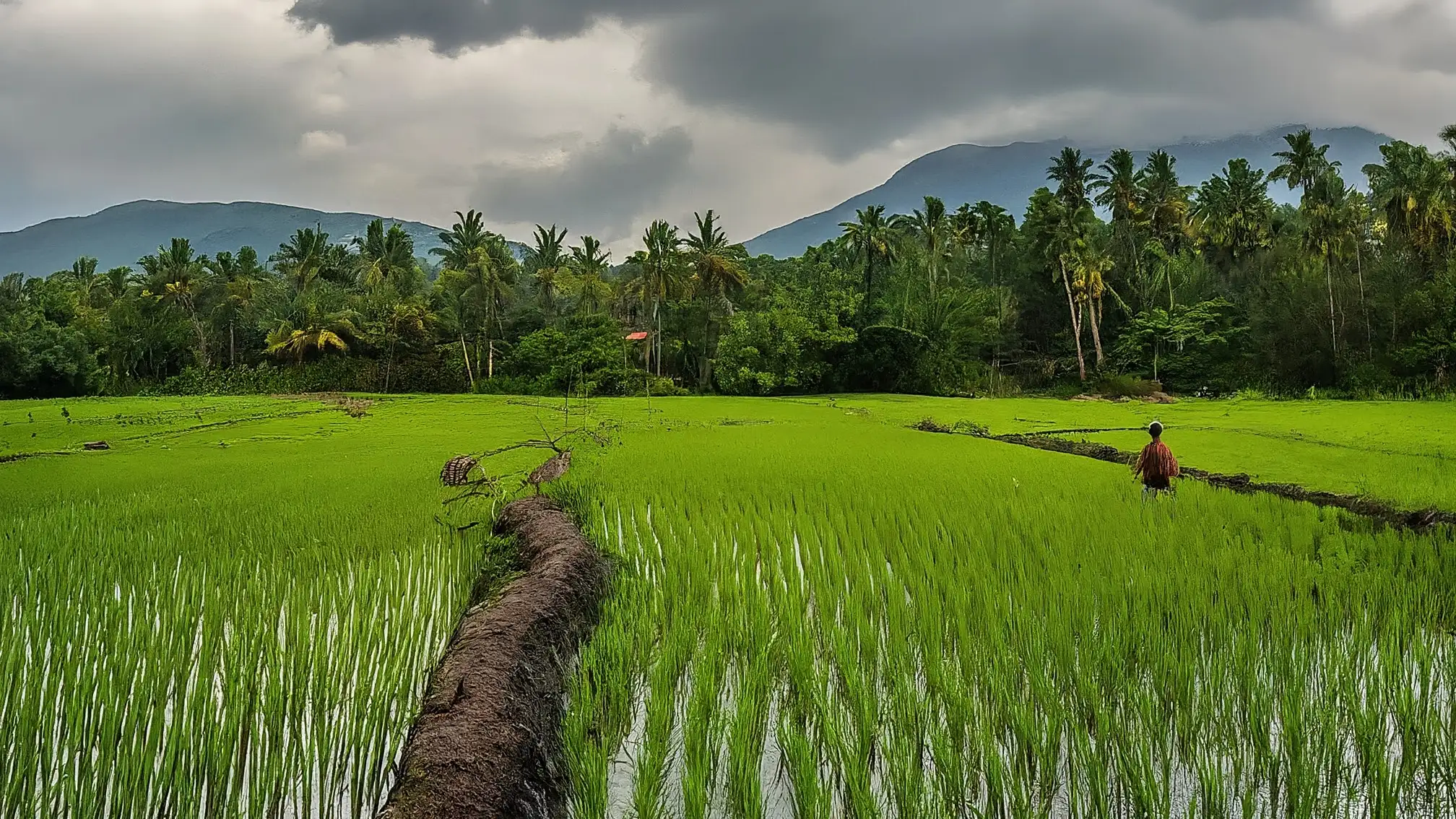
This seasonal rainfall supports over 50% of India’s agriculture, a sector that employs more than 40% of the population. Even with the growth of irrigation infrastructure, nearly half of the country’s farmland remains rain-fed.
Timely monsoon onset and evenly distributed rainfall help ensure good crop yields, reduce food inflation, and improve rural incomes. For instance, early or normal monsoon arrival generally boosts the sowing of rice, pulses, and coarse cereals.
On the other hand, a delayed or deficient monsoon can lead to droughts, lower agricultural output, and higher food prices, which ripple through the economy.
Beyond agriculture, the monsoon also affects hydropower generation, drinking water supply in urban areas, and the overall groundwater recharge. Industries such as fertilisers, tractors, consumer goods, and rural banking are also directly impacted by the strength and timing of the monsoon.
Government agencies and farmers can use this time to prepare better — from seed planning to water management strategies.
The Indian monsoon is not just a weather event — it’s the lifeline of the nation’s economy.
Understanding its patterns, especially through reliable IMD data, helps the country prepare better and mitigate risks. With climate change adding uncertainty, monitoring and adapting to monsoon variability is more important than ever.
The onset of the Indian monsoon, officially declared by the India Meteorological Department (IMD) over Kerala, is a pivotal event in the country’s annual climate calendar. The IMD’s forecast of an early onset in 2025 is good news, especially if it is followed by well-distributed rainfall.
Over the past decade, the monsoon has shown variations in arrival dates, which hold significant implications for agriculture, water resources, and the broader Indian economy. These variations are closely monitored by meteorologists, farmers, and policymakers due to the direct consequences on the kharif crop cycle and water storage levels across the country.
The usual date for the monsoon onset over Kerala is June 1.
Here's a look at the monsoon onset dates over Kerala in the past decade:
Year
Onset Date (Kerala)
2015
June 5
2016
June 8
2017
May 30
2018
May 29
2019
June 8
2020
June 1
2021
June 3
2022
May 29
2023
June 8
2024
May 30
As the table shows, the monsoon has arrived early in some years (like 2018, 2022, and 2024) and has been delayed in others (like 2015, 2016, and 2019).
India’s economy is still significantly dependent on the monsoon, particularly the southwest monsoon, which brings about 70% of the country’s annual rainfall.
This seasonal rainfall supports over 50% of India’s agriculture, a sector that employs more than 40% of the population. Even with the growth of irrigation infrastructure, nearly half of the country’s farmland remains rain-fed.
Timely monsoon onset and evenly distributed rainfall help ensure good crop yields, reduce food inflation, and improve rural incomes. For instance, early or normal monsoon arrival generally boosts the sowing of rice, pulses, and coarse cereals.
On the other hand, a delayed or deficient monsoon can lead to droughts, lower agricultural output, and higher food prices, which ripple through the economy.
Beyond agriculture, the monsoon also affects hydropower generation, drinking water supply in urban areas, and the overall groundwater recharge. Industries such as fertilisers, tractors, consumer goods, and rural banking are also directly impacted by the strength and timing of the monsoon.
Government agencies and farmers can use this time to prepare better — from seed planning to water management strategies.
The Indian monsoon is not just a weather event — it’s the lifeline of the nation’s economy.
Understanding its patterns, especially through reliable IMD data, helps the country prepare better and mitigate risks. With climate change adding uncertainty, monitoring and adapting to monsoon variability is more important than ever.
Next Story