
End Of An Era In BMC? Challenges For Uddhav Thackeray And His Strategy For 2026

The Brihanmumbai Municipal Corporation (BMC) election results have marked a dramatic turning point for Uddhav Thackeray and the Shiv Sena (Uddhav Balasaheb Thackeray, UBT), ending a 25-year hold over India’s richest civic body, a power centre that provided the party with unmatched political influence and financial strength.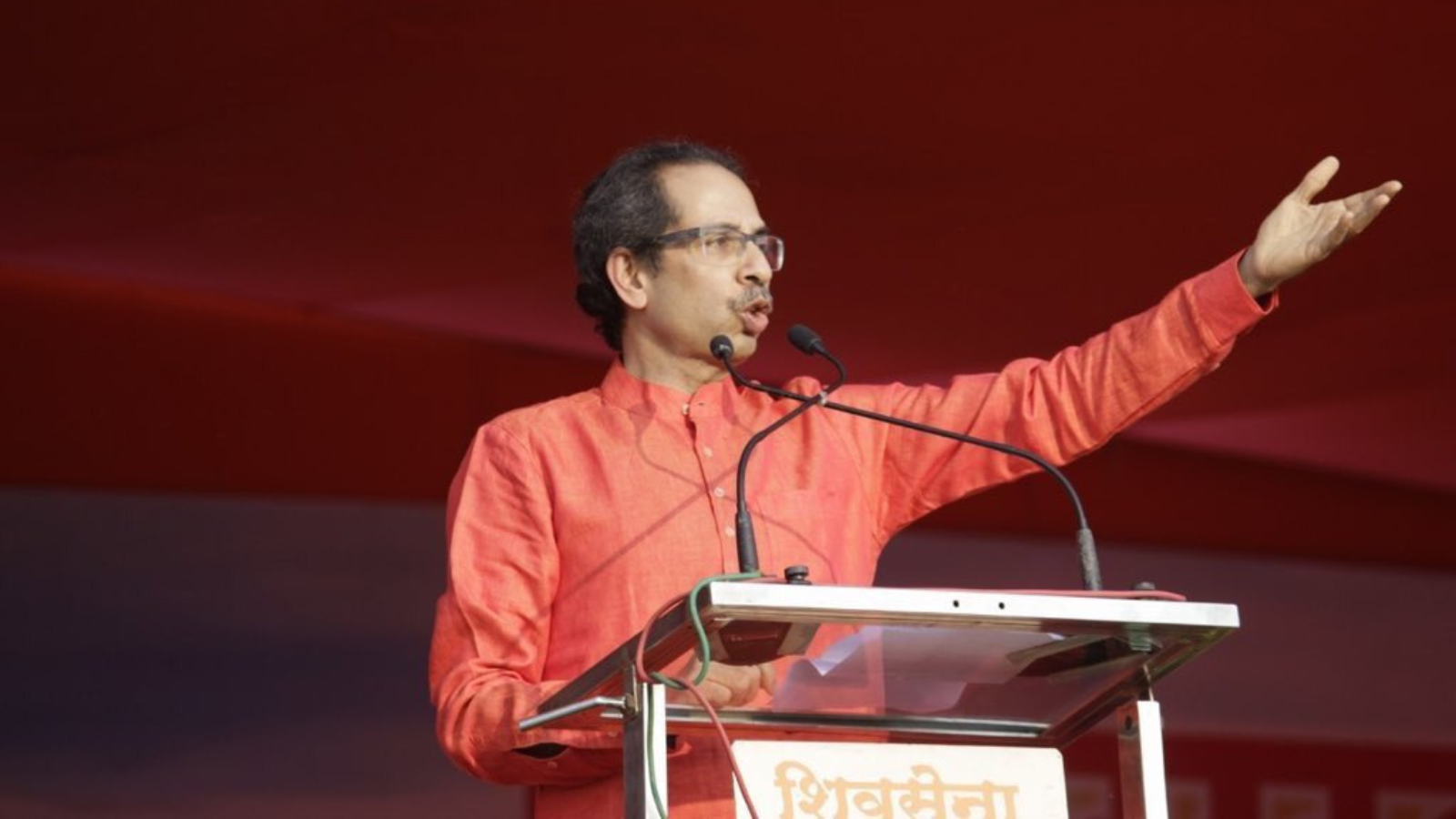
For the first time since its inception, the BMC, which governs India’s financial capital and commands the largest municipal budget in the country, will now be run by the BJP.
The party emerged as the single-largest force in the 227-member house, securing 89 seats, while the ruling Mahayuti swept 23 of Maharashtra’s 29 municipal corporations, a decisive outcome that further strengthens Chief Minister Devendra Fadnavis and cements the BJP’s dominance in urban India.
Focused Fight, Limited Resources
Fighting with resources stretched thin, Uddhav Thackeray ran a sharply focused, Mumbai-centric campaign, relying on Marathi manoos welfare messaging, grassroots networks, and a nativist rhetoric aimed at consolidating the city’s Marathi vote.
A tactical reconciliation with cousin Raj Thackeray also sought to strengthen support among Marathi voters. While the strategy helped the Sena (UBT) retain strongholds from Dadar to Byculla, it wasn’t enough to prevent the party from losing control of the BMC.
Team Uddhav Wins a Battle, But Loses the War
The Sena (UBT) finished with 65 seats, trailing the BJP, but the result wasn’t an outright wipeout. Compared with Eknath Shinde’s faction, Uddhav Thackeray retained his political footprint in Mumbai, reinforcing his claim to the Shiv Sena legacy. Shinde’s Sena won 29 seats, but failed to replace Uddhav as the main face of the party in the city.
Losing the BMC is more than symbolic. Control of this affluent civic body gave the undivided Shiv Sena access to patronage networks, organisational strength, and visibility for decades. Without it, Uddhav Thackeray faces a future with fewer resources, and Mumbai’s changing demographics make a purely nativist approach increasingly difficult.
At the same time, the election reshuffles the opposition. With the Congress reduced to its lowest-ever tally, Uddhav Thackeray now emerges as the de facto opposition leader in Mumbai.
Yet this status brings challenges: preventing defections post-defeat, navigating the collapse of the Maha Vikas Aghadi, and charting his next steps as his Legislative Council term ends in May.
The Road Ahead
To stay relevant beyond traditional bastions, Uddhav Thackeray will need to reimagine Sena (UBT) politics, broaden appeal beyond the core Marathi voter, and rebuild a coalition capable of taking on the BJP, which now controls both tiers of urban governance.
The BMC loss is a moment of reckoning. Uddhav Thackeray may have lost the institutional stronghold that defined Sena dominance, but by retaining a loyal core and asserting symbolic control over the Thackeray legacy in Mumbai, he preserves a platform albeit a narrower one from which to attempt a political reset.
For the first time since its inception, the BMC, which governs India’s financial capital and commands the largest municipal budget in the country, will now be run by the BJP.
The party emerged as the single-largest force in the 227-member house, securing 89 seats, while the ruling Mahayuti swept 23 of Maharashtra’s 29 municipal corporations, a decisive outcome that further strengthens Chief Minister Devendra Fadnavis and cements the BJP’s dominance in urban India.
Focused Fight, Limited Resources
Fighting with resources stretched thin, Uddhav Thackeray ran a sharply focused, Mumbai-centric campaign, relying on Marathi manoos welfare messaging, grassroots networks, and a nativist rhetoric aimed at consolidating the city’s Marathi vote.A tactical reconciliation with cousin Raj Thackeray also sought to strengthen support among Marathi voters. While the strategy helped the Sena (UBT) retain strongholds from Dadar to Byculla, it wasn’t enough to prevent the party from losing control of the BMC.
Team Uddhav Wins a Battle, But Loses the War
The Sena (UBT) finished with 65 seats, trailing the BJP, but the result wasn’t an outright wipeout. Compared with Eknath Shinde’s faction, Uddhav Thackeray retained his political footprint in Mumbai, reinforcing his claim to the Shiv Sena legacy. Shinde’s Sena won 29 seats, but failed to replace Uddhav as the main face of the party in the city. Why the Loss Hits Shiv Sena (UBT) Hard
You may also like
 Rasha Thadani marks one year of 'Azaad': Through magic, madness
- Congress' Udit Raj dubs Maharashtra civic polls "unfair', says "indelible ink played major role" in results
 LoP Gandhi arrives in Indore to meet families of those affected by contaminated water in Bhagirathpura
- Police stop BRS cadres from taking part in rally demanding Secunderabad Municipal Corporation
- Indore water contamination: Rahul Gandhi meets affected families in Bhagirathpura
Losing the BMC is more than symbolic. Control of this affluent civic body gave the undivided Shiv Sena access to patronage networks, organisational strength, and visibility for decades. Without it, Uddhav Thackeray faces a future with fewer resources, and Mumbai’s changing demographics make a purely nativist approach increasingly difficult.
At the same time, the election reshuffles the opposition. With the Congress reduced to its lowest-ever tally, Uddhav Thackeray now emerges as the de facto opposition leader in Mumbai.
Yet this status brings challenges: preventing defections post-defeat, navigating the collapse of the Maha Vikas Aghadi, and charting his next steps as his Legislative Council term ends in May.
The Road Ahead
To stay relevant beyond traditional bastions, Uddhav Thackeray will need to reimagine Sena (UBT) politics, broaden appeal beyond the core Marathi voter, and rebuild a coalition capable of taking on the BJP, which now controls both tiers of urban governance.The BMC loss is a moment of reckoning. Uddhav Thackeray may have lost the institutional stronghold that defined Sena dominance, but by retaining a loyal core and asserting symbolic control over the Thackeray legacy in Mumbai, he preserves a platform albeit a narrower one from which to attempt a political reset.






More from our partners


Loving Newspoint? Download the app now
