
Fauja Singh, World's Oldest Marathon Runner, Dies at 114 in Road Mishap - Here's His Story

In a world where age often sets the limit, Fauja Singh spent his later years breaking barriers. The world’s oldest marathon runner , lovingly known as the Turbaned Tornado, passed away on July 14 after being struck by a car on the Jalandhar-Pathankot highway. He sustained a serious head injury and was rushed to the hospital, where he later succumbed to his injuries. He was 114.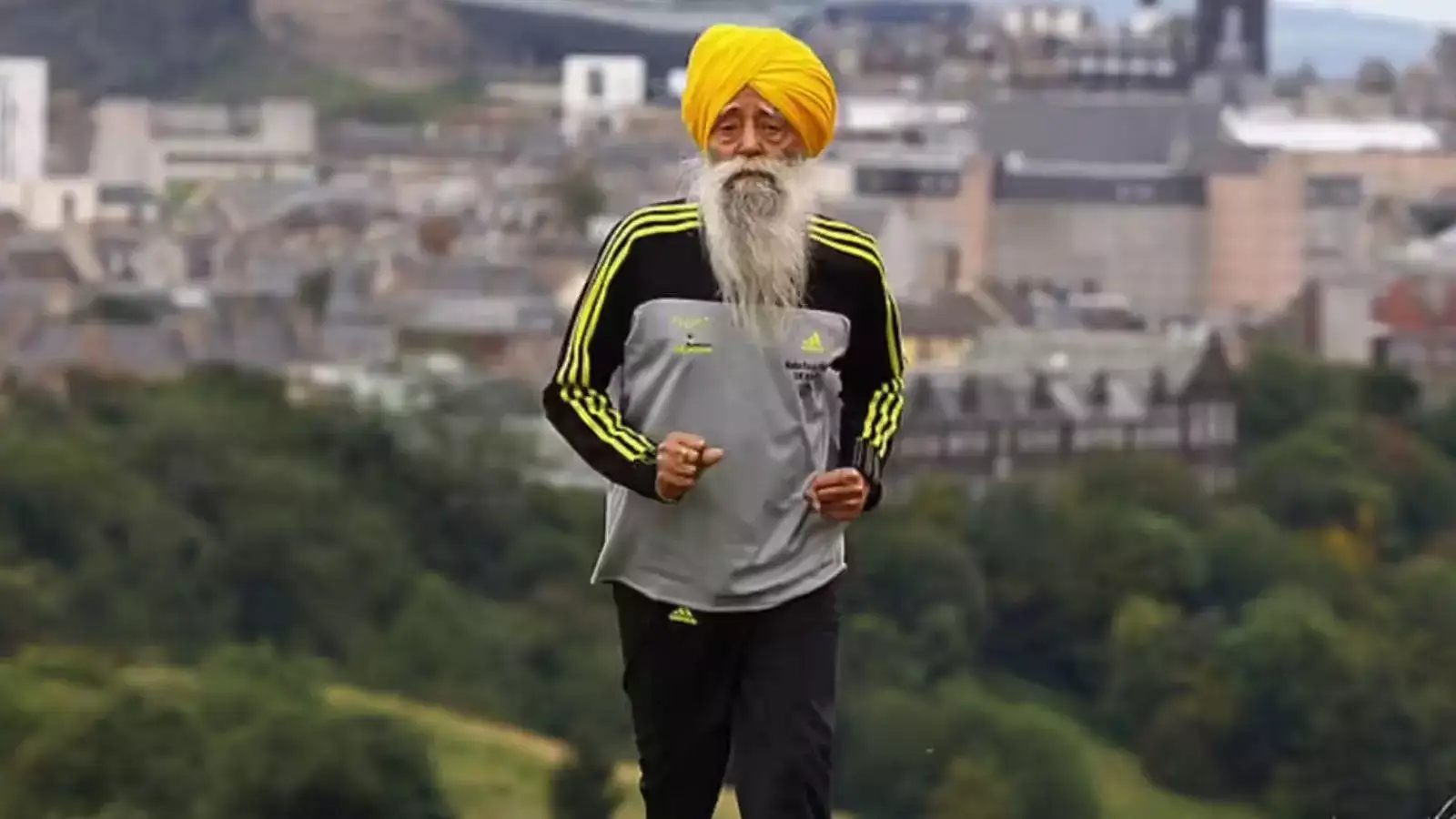
Fauja Singh’s death marks the end of an extraordinary chapter in sports history. For someone who started his marathon journey at the age of 89, his life was nothing short of legendary. Tributes poured in from across the globe, with athletes, sports enthusiasts, and fans remembering him not just for his athletic feats but also for the spirit he carried.
A Century of Life and Then Some
Born on April 1, 1911, in Beas village in Punjab’s Jalandhar district, Fauja Singh came into the world even before World War I began. Over the decades, he witnessed history unfold-British rule, the Partition of India, and the transformation of the modern world. But it was a personal tragedy that steered him toward his destiny.
In 1994, Fauja lost one of his sons in a tragic construction accident. Struggling with grief and emotional turmoil, he turned to running as a way to cope. What began as an outlet for pain soon became his purpose.
In the late 1990s, after moving to the UK to live with one of his sons, Fauja began training seriously. At 89, he ran his first full marathon in London in 2000-and a global icon was born.
From Personal Pain to Global Fame
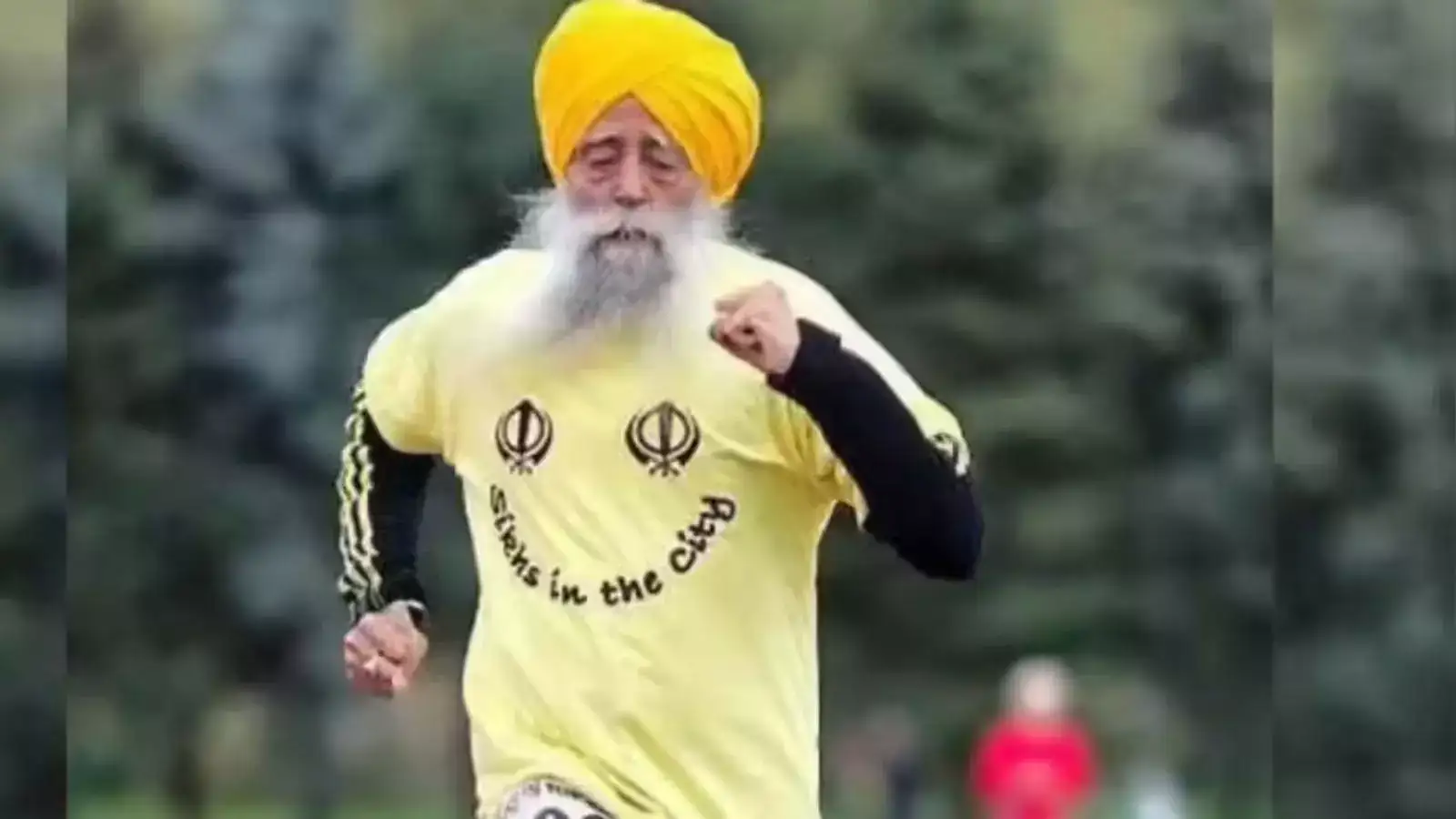
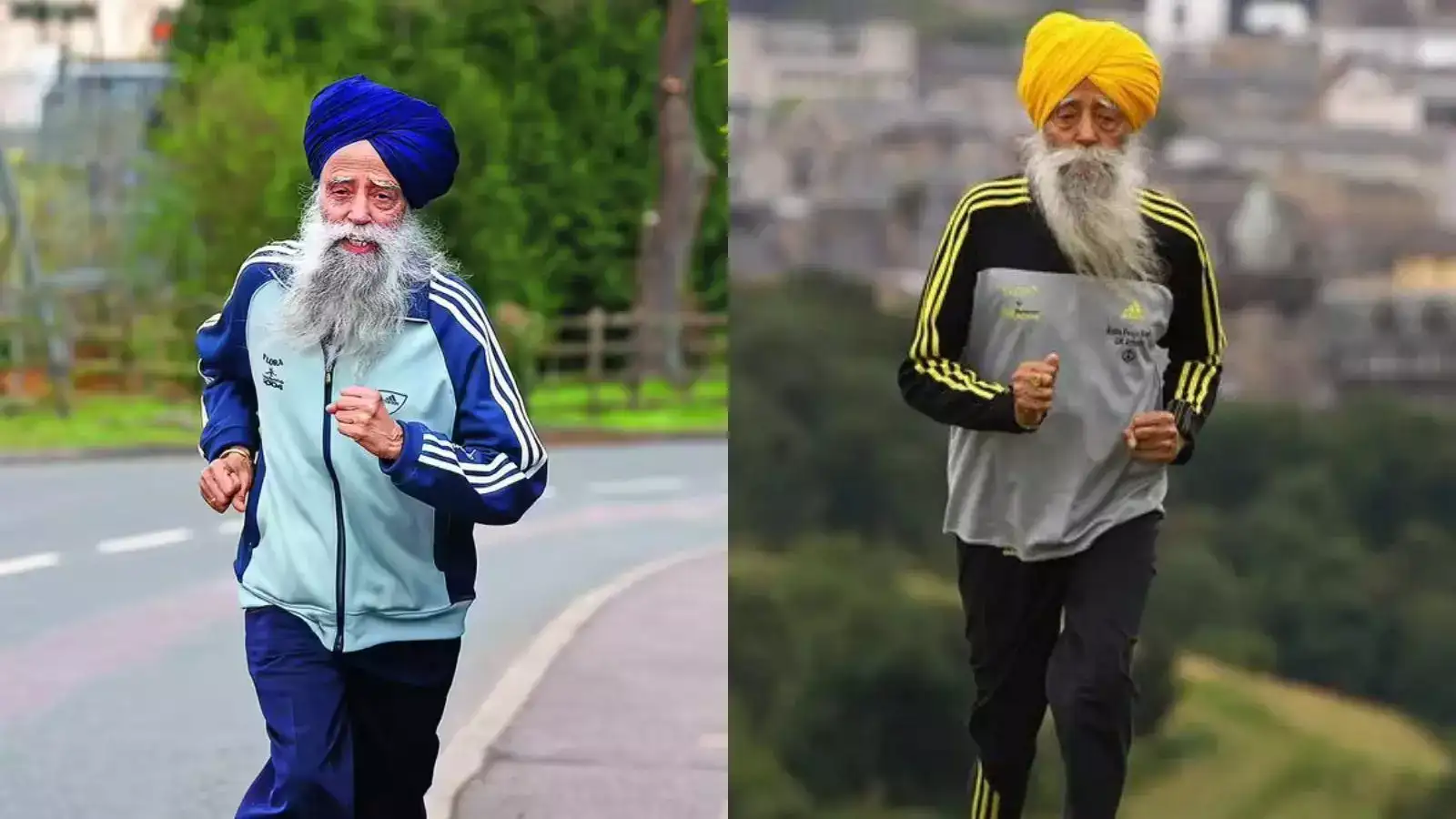
With his flowing beard, bright smile, and signature turban, Fauja Singh quickly became a symbol of resilience and inspiration. His journey defied logic and age expectations. At 93, he finished the Toronto Waterfront Marathon in just over 5 hours. In 2011, at the age of 100, he set eight world age-group records in a single day at a meet in Toronto-timing himself in distances ranging from 100 meters to 5,000 meters.
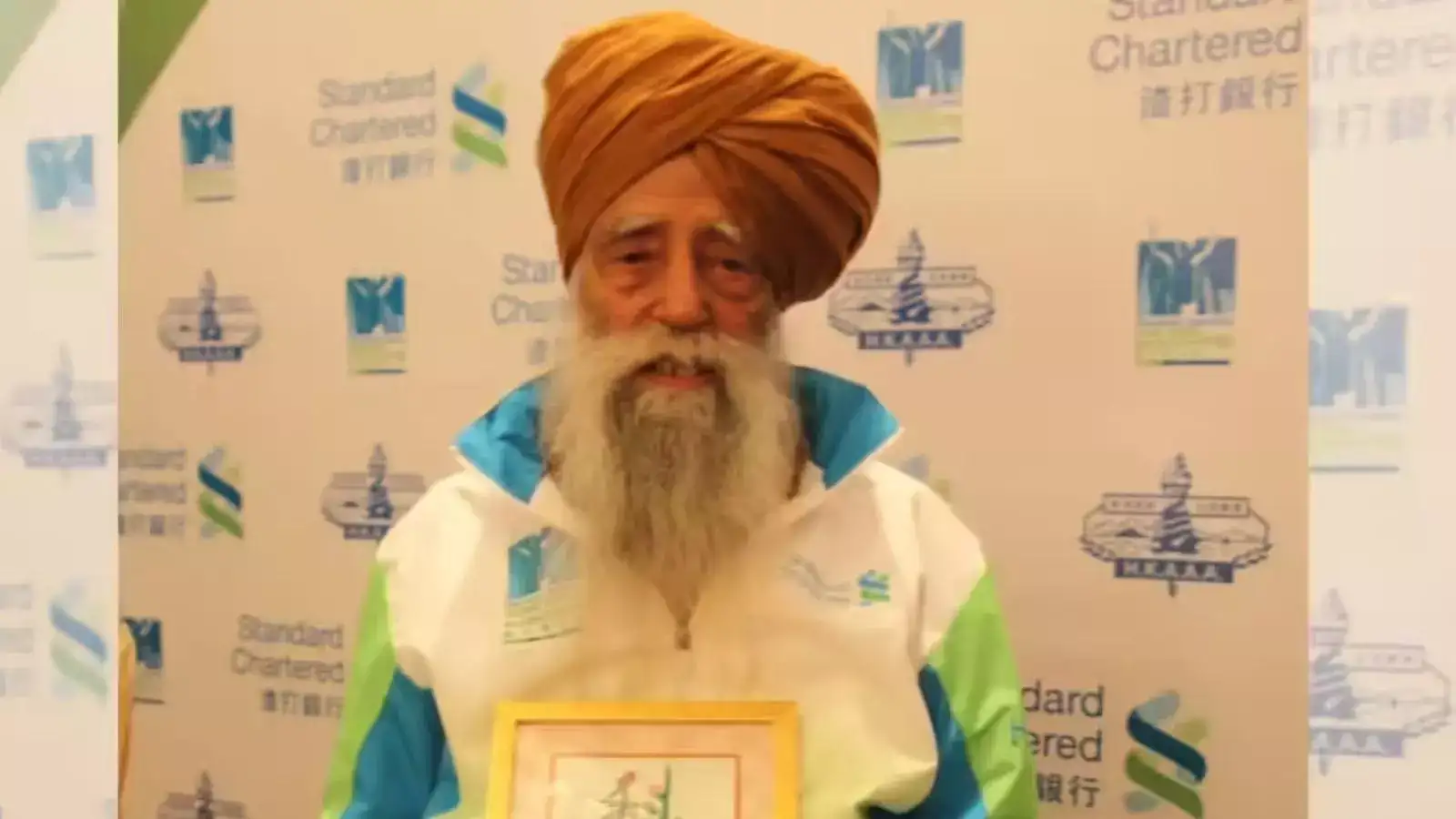
In 2013, he ran the Hong Kong Marathon, completing 10 kilometers in 1 hour, 32 minutes, and 28 seconds. That race marked his official retirement from competitive running at the age of 102. Yet, he continued running for fun, fitness, and charity well into his later years.
The Global Recognition He Deserved
Fauja Singh’s achievements caught the world’s attention. In 2004, he carried the Olympic torch for the Athens Games, and again in 2012 for the London Olympics. A popular sportswear brand featured him in an iconic campaign alongside David Beckham, Muhammad Ali, and other sports legends.
His biography, Turbaned Tornado, was released in 2011 at the House of Lords in the UK, cementing his status as a cultural icon beyond the running track.
More Than a Runner: A Legacy That Lives On
Fauja Singh was more than a marathon runner. He was a beacon of hope for millions across generations. His life proved that it’s never too late to begin, never too old to dream, and never too broken to heal.
He used running not only to overcome grief but also to promote health, fitness, and charitable causes. From raising awareness for cancer research to championing Sikh identity and elder wellness, his influence went far beyond medals and records.
A Legend Remembered
Fauja Singh’s passing is a monumental loss, but his story will continue to inspire. He may have run his final lap, but the path he paved will be walked-and run-by many more.
He didn’t just challenge the limits of the human body. He redefined them. Fauja Singh showed us all that life doesn’t stop at 60, 70, or even 100.
Fauja Singh’s death marks the end of an extraordinary chapter in sports history. For someone who started his marathon journey at the age of 89, his life was nothing short of legendary. Tributes poured in from across the globe, with athletes, sports enthusiasts, and fans remembering him not just for his athletic feats but also for the spirit he carried.
A Century of Life and Then Some
Born on April 1, 1911, in Beas village in Punjab’s Jalandhar district, Fauja Singh came into the world even before World War I began. Over the decades, he witnessed history unfold-British rule, the Partition of India, and the transformation of the modern world. But it was a personal tragedy that steered him toward his destiny.
In 1994, Fauja lost one of his sons in a tragic construction accident. Struggling with grief and emotional turmoil, he turned to running as a way to cope. What began as an outlet for pain soon became his purpose.
In the late 1990s, after moving to the UK to live with one of his sons, Fauja began training seriously. At 89, he ran his first full marathon in London in 2000-and a global icon was born.
From Personal Pain to Global Fame
With his flowing beard, bright smile, and signature turban, Fauja Singh quickly became a symbol of resilience and inspiration. His journey defied logic and age expectations. At 93, he finished the Toronto Waterfront Marathon in just over 5 hours. In 2011, at the age of 100, he set eight world age-group records in a single day at a meet in Toronto-timing himself in distances ranging from 100 meters to 5,000 meters.
In 2013, he ran the Hong Kong Marathon, completing 10 kilometers in 1 hour, 32 minutes, and 28 seconds. That race marked his official retirement from competitive running at the age of 102. Yet, he continued running for fun, fitness, and charity well into his later years.
The Global Recognition He Deserved
Fauja Singh’s achievements caught the world’s attention. In 2004, he carried the Olympic torch for the Athens Games, and again in 2012 for the London Olympics. A popular sportswear brand featured him in an iconic campaign alongside David Beckham, Muhammad Ali, and other sports legends.
His biography, Turbaned Tornado, was released in 2011 at the House of Lords in the UK, cementing his status as a cultural icon beyond the running track.
More Than a Runner: A Legacy That Lives On
Fauja Singh was more than a marathon runner. He was a beacon of hope for millions across generations. His life proved that it’s never too late to begin, never too old to dream, and never too broken to heal.
He used running not only to overcome grief but also to promote health, fitness, and charitable causes. From raising awareness for cancer research to championing Sikh identity and elder wellness, his influence went far beyond medals and records.
A Legend Remembered
Fauja Singh’s passing is a monumental loss, but his story will continue to inspire. He may have run his final lap, but the path he paved will be walked-and run-by many more.
He didn’t just challenge the limits of the human body. He redefined them. Fauja Singh showed us all that life doesn’t stop at 60, 70, or even 100.
Next Story