
Five Nominations, No Prize – A Deep Dive Into Why Gandhi Was Never Chosen By The Nobel Committee

Despite being globally revered as the embodiment of non-violence and peace, Mahatma Gandhi never received the Nobel Peace Prize. Although nominated five times between 1937 and 1948, the Indian leader was continually overlooked by the Norwegian Nobel Committee. His name, often synonymous with peace and moral leadership, was ultimately left off the list of Laureates. This article explores the complex deliberations, political climate, and evolving attitudes that led to this historical omission. 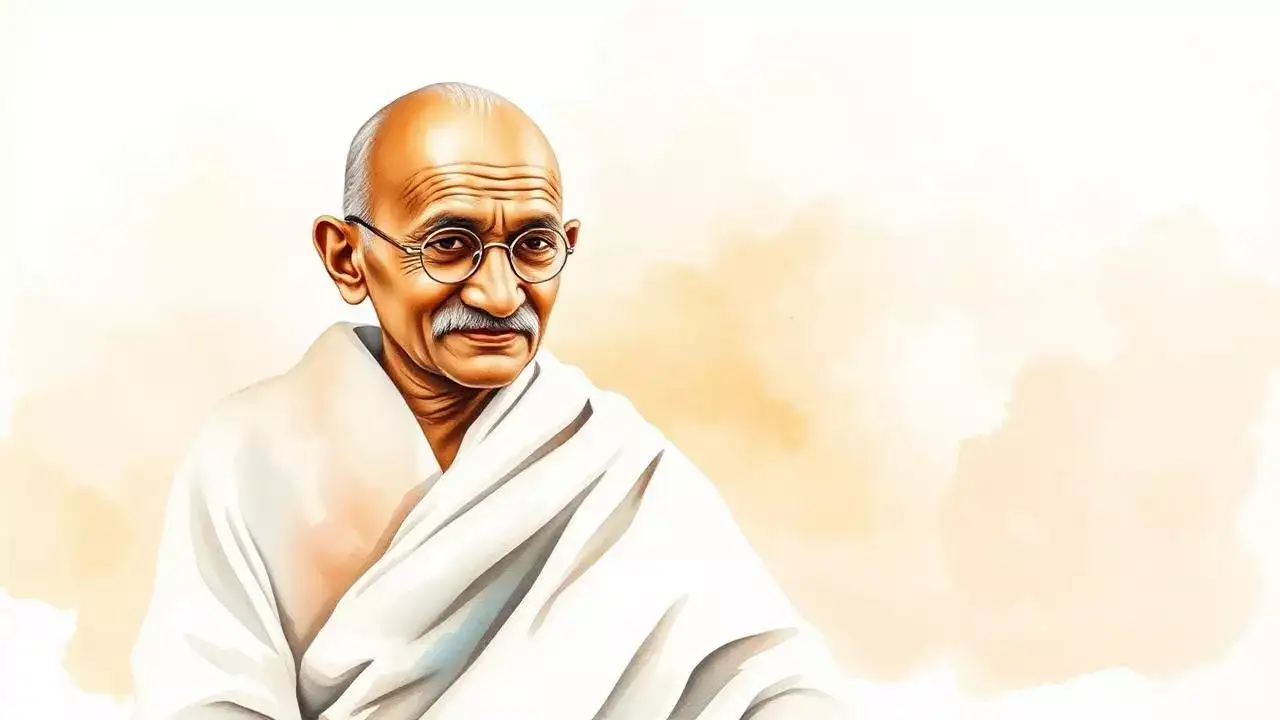
Returning to India in 1915, Gandhi soon became the moral and political heart of the Indian freedom movement. His campaigns of civil disobedience, non-cooperation, and symbolic acts like the Salt March inspired millions. Gandhi’s principles influenced global civil rights movements, earning him international admiration.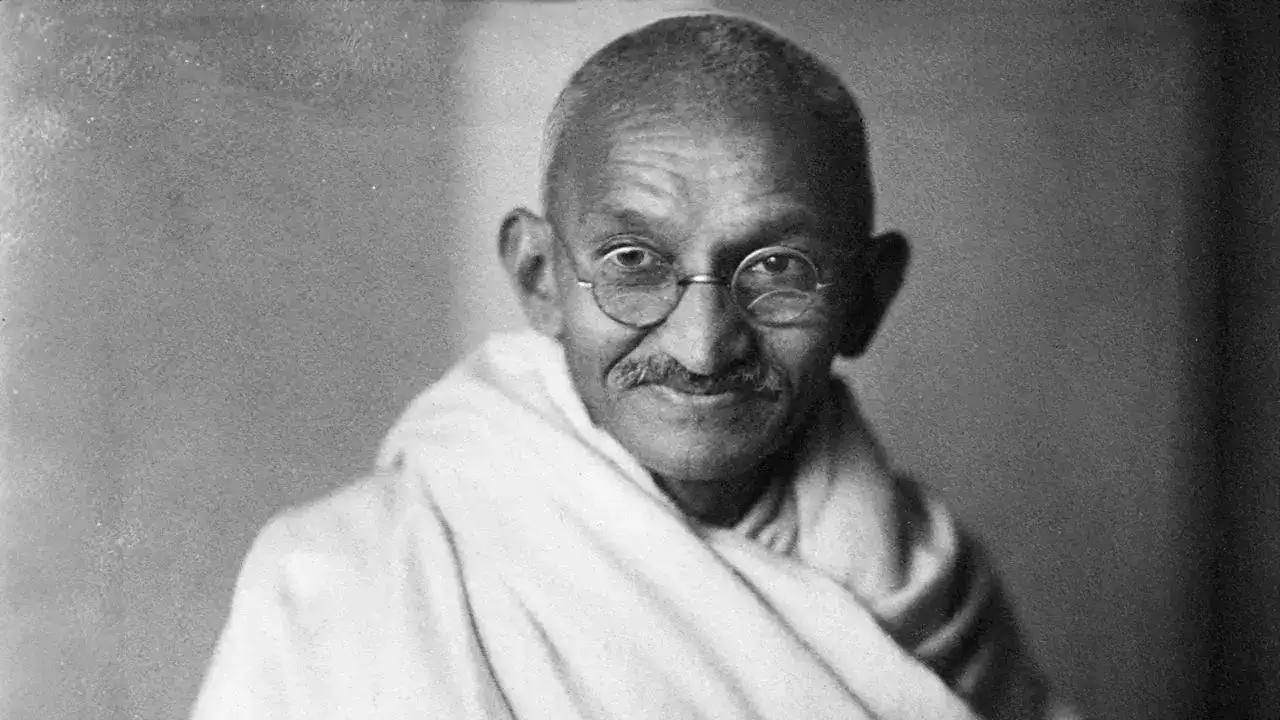
Such assessments weakened Gandhi’s chances, especially in a period where the Nobel Committee leaned heavily towards European or American pacifists who aligned with traditional views of peace activism.
Despite this balanced portrayal, Gandhi's candidacy divided the Committee. Concerns over ongoing violence between India and Pakistan and Gandhi’s controversial statement about a possible war with Pakistan raised doubts about his commitment to pacifism. While some members admired his moral stature, others felt his nationalistic politics and ambiguous wartime position disqualified him from the prize.
The Committee's adviser Seip argued that Gandhi had indelibly shaped global ethical thought, likening his influence to that of religious founders. However, practical challenges emerged. Gandhi had no heirs, left no will, and was not affiliated with any organisation—raising questions about who would accept the award or manage the prize money.
Director August Schou sought legal counsel, and feedback from Swedish Nobel institutions indicated a preference against posthumous awards unless the laureate died after the decision. These concerns, combined with internal disagreement, led the Committee to make no award in 1948. Chairman Gunnar Jahn later wrote that no suitable living candidate could be found, a sentiment interpreted as a veiled reference to Gandhi.
While there is no verified record of an official explanation from the Norwegian Nobel Committee regarding the 1948 omission, it is known that in the autumn of that year, one member expressed support for a posthumous honour to Gandhi. His statement has been interpreted as a reflection of internal conflict and regret over the Committee's inability to acknowledge Gandhi’s global legacy.
Yet, Gandhi's influence on the global conscience is undeniable. When the Dalai Lama received the Peace Prize in 1989, the Committee's chairman acknowledged it as ‘partly a tribute to the memory of Mahatma Gandhi’.
Gandhi’s Rise As A Global Peace Icon
Born in Porbandar in present-day Gujarat in 1869, Mohandas Karamchand Gandhi's deeply spiritual Hindu upbringing shaped his lifelong commitment to non-violence, religious harmony, and social justice. After studying law in London, he spent over two decades in South Africa where he championed the civil rights of the Indian diaspora. It was there that he developed 'satyagraha'—a philosophy of passive resistance built on truth and moral courage.Returning to India in 1915, Gandhi soon became the moral and political heart of the Indian freedom movement. His campaigns of civil disobedience, non-cooperation, and symbolic acts like the Salt March inspired millions. Gandhi’s principles influenced global civil rights movements, earning him international admiration.
The Nobel Committee’s First Considerations
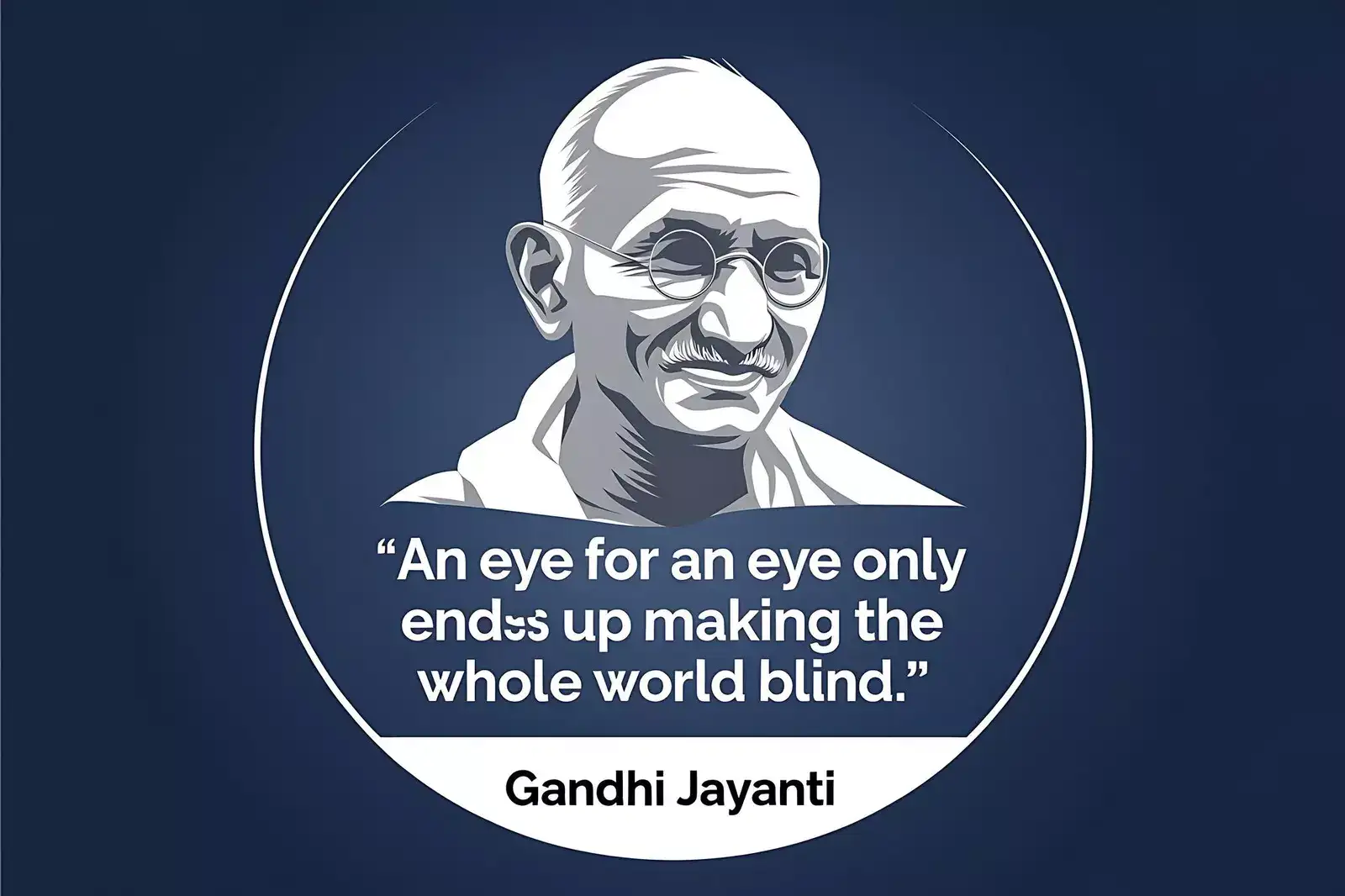
The earliest Nobel Peace Prize nomination for Gandhi came in 1937, led by Norwegian MP Ole Colbjørnsen. The motivation letter, crafted by the Friends of India in Norway, praised Gandhi's commitment to peace. However, the Nobel Committee's adviser Jacob Worm-Müller expressed serious reservations. While recognising Gandhi's spiritual stature, Worm-Müller critiqued his political inconsistency, nationalism, and failure to prevent violence during the 1920–21 Non-Cooperation Movement.Such assessments weakened Gandhi’s chances, especially in a period where the Nobel Committee leaned heavily towards European or American pacifists who aligned with traditional views of peace activism.
Post-War Shifts and Renewed Nominations
Gandhi’s nominations resumed in 1947 with support from prominent Indian leaders such as B.G. Kher and Govind Ballabh Pant. Historian Jens Arup Seip, writing for the Committee that year, highlighted Gandhi’s pivotal role in securing India’s independence but also acknowledged the tragic consequences of partition.Despite this balanced portrayal, Gandhi's candidacy divided the Committee. Concerns over ongoing violence between India and Pakistan and Gandhi’s controversial statement about a possible war with Pakistan raised doubts about his commitment to pacifism. While some members admired his moral stature, others felt his nationalistic politics and ambiguous wartime position disqualified him from the prize.
The Assassination and Final Consideration
On 30 January 1948, just two days before the Nobel nomination deadline, Gandhi was assassinated. Six new nominations followed, including one from the Quakers and Nobel Laureate Emily Greene Balch. Once again, Gandhi was shortlisted.The Committee's adviser Seip argued that Gandhi had indelibly shaped global ethical thought, likening his influence to that of religious founders. However, practical challenges emerged. Gandhi had no heirs, left no will, and was not affiliated with any organisation—raising questions about who would accept the award or manage the prize money.
Director August Schou sought legal counsel, and feedback from Swedish Nobel institutions indicated a preference against posthumous awards unless the laureate died after the decision. These concerns, combined with internal disagreement, led the Committee to make no award in 1948. Chairman Gunnar Jahn later wrote that no suitable living candidate could be found, a sentiment interpreted as a veiled reference to Gandhi.
While there is no verified record of an official explanation from the Norwegian Nobel Committee regarding the 1948 omission, it is known that in the autumn of that year, one member expressed support for a posthumous honour to Gandhi. His statement has been interpreted as a reflection of internal conflict and regret over the Committee's inability to acknowledge Gandhi’s global legacy.
A Legacy That Endures Beyond Awards
Mahatma Gandhi's exclusion from the Nobel Peace Prize roster remains one of the most debated omissions in the history of the prize. Some believe the Committee’s Eurocentric focus and reluctance to award political nationalists played a role. Others cite realpolitik concerns during the fraught India-Pakistan partition.Yet, Gandhi's influence on the global conscience is undeniable. When the Dalai Lama received the Peace Prize in 1989, the Committee's chairman acknowledged it as ‘partly a tribute to the memory of Mahatma Gandhi’.
Next Story