G-Ram-G vs MGNREGA: Does The New Scheme Help Or Hurt Rural India?

The dawn of 2025 has brought a seismic shift in India’s social welfare landscape. After two decades of being the primary lifeline for the rural poor, the Mahatma Gandhi National Rural Employment Guarantee Act (MGNREGA) has been repealed. In its place stands the Viksit Bharat – Guarantee for Rozgar and Ajeevika Mission (Gramin) (VB G-RAM-G) Act 2025.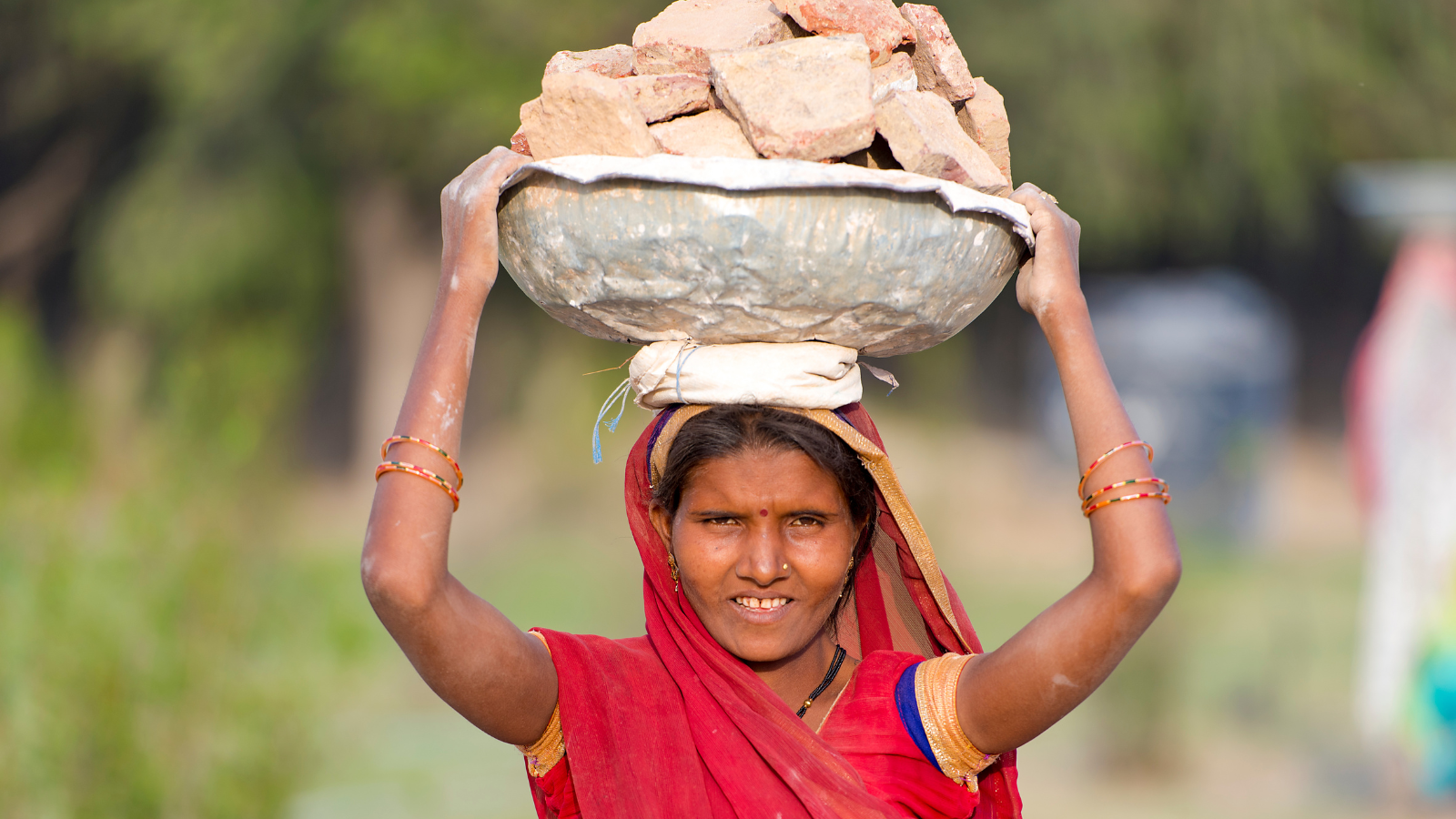
The signals that led to the original 2005 legislation were dire: farmer suicides, mass migration from villages to cities, and a stagnant agricultural sector. These pressures birthed a rights-based framework that transformed employment into a legal entitlement. Today, the debate is no longer about whether we need a safety net, but whether the new rural livelihood mission is a stronger net or a smaller one.
In 2001, the People’s Union for Civil Liberties (PUCL) successfully argued in a Public Interest Litigation that the "Right to Life" enshrined in the Constitution must include the "Right to Food" and the right to live with dignity. MGNREGA was the legislative answer to that call, drawing inspiration from Maharashtra’s progressive 1977 Employment Guarantee Act.
For nearly 20 years, MGNREGA focused on absolute poverty: the state of deprivation where basic needs remain out of reach. By addressing social, cultural, and political dimensions of poverty, the scheme directly contributed to Sustainable Development Goals (SDGs) regarding poverty eradication, environmental protection, and women’s empowerment.
VB G-RAM-G vs MGNREGA: A Shift in Control
The government claims the VB G-RAM-G Bill 2025 is a modernisation of the old system, increasing the work guarantee from 100 to 125 days. However, critics argue that the fine print tells a different story.
"The government always has machinery; it only needs the will and vision to identify the problem and act accordingly."
Under the new Act, several structural changes have raised concerns about whether it can truly serve the deprived:
Killing the Spirit of Legislation?
Many argue that VB G-RAM-G kills the spirit of a piece of legislation that was once commended globally. By making funding conditional and geographic coverage selective (under Section 5(1)), the universal nature of the employment guarantee is diluted.
One of the most significant achievements of the Right to Work Act era was the surge in the rural female Labour Force Participation Rate. This figure jumped from 24.6% in 2017-18 to a staggering 47.6% by 2023-24. For many women, MGNREGA was not just a job; it was financial independence.
The Road Ahead for Rural India
As the G-RAM-G Bill 2025 takes full effect, the centralisation of the process appears to be a move away from the bottom-up, demand-driven model that defined the last two decades. While the promise of 125 days sounds like an upgrade, the restrictive clauses and fiscal strangulation of states suggest a move toward discretionary welfare rather than an enforceable right.
For the millions of workers who survived the shocks of the pandemic and agrarian crises through MGNREGA, the new Act represents an uncertain future.
The signals that led to the original 2005 legislation were dire: farmer suicides, mass migration from villages to cities, and a stagnant agricultural sector. These pressures birthed a rights-based framework that transformed employment into a legal entitlement. Today, the debate is no longer about whether we need a safety net, but whether the new rural livelihood mission is a stronger net or a smaller one.
The Foundation of a Right to Dignity
In 2001, the People’s Union for Civil Liberties (PUCL) successfully argued in a Public Interest Litigation that the "Right to Life" enshrined in the Constitution must include the "Right to Food" and the right to live with dignity. MGNREGA was the legislative answer to that call, drawing inspiration from Maharashtra’s progressive 1977 Employment Guarantee Act.
For nearly 20 years, MGNREGA focused on absolute poverty: the state of deprivation where basic needs remain out of reach. By addressing social, cultural, and political dimensions of poverty, the scheme directly contributed to Sustainable Development Goals (SDGs) regarding poverty eradication, environmental protection, and women’s empowerment.
VB G-RAM-G vs MGNREGA: A Shift in Control
The government claims the VB G-RAM-G Bill 2025 is a modernisation of the old system, increasing the work guarantee from 100 to 125 days. However, critics argue that the fine print tells a different story. "The government always has machinery; it only needs the will and vision to identify the problem and act accordingly."
Under the new Act, several structural changes have raised concerns about whether it can truly serve the deprived:
You may also like
- IANS Year Ender 2025: Bihar declared Maoist-free as major crimes show sharp decline
- Pinarayi Vijayan must not interfere in Karnataka's affairs without knowing truth: DK Shivakumar
- Kate Winslet had some of her first intimate experiences as a young teen with girls
- TMC's Abhishek Banerjee slams Election Commission as "WhatsApp Commission"
- How a family turned Rs 56 lakh into Rs 8 crore? Finance expert reveals how they did it without selling gold, trading stocks
- Labour Control: Section 6(1) of the new Act imposes a mandatory 60 day pause on public works during peak sowing and harvesting seasons. While intended to ensure labour availability for farmers, it restricts the choices of the poorest workers who may not own land and rely on steady daily wages.
- Centralised Funding: Section 4(5) makes fund allocation dependent on Delhi, rather than being demand-driven at the village level.
- Fiscal Pressure on States: Section 22(2) introduces a 60:40 funding ratio for general states. Previously, the Centre paid 100% of the unskilled wage cost. This shift places a massive financial burden on state treasuries.
Killing the Spirit of Legislation?
Many argue that VB G-RAM-G kills the spirit of a piece of legislation that was once commended globally. By making funding conditional and geographic coverage selective (under Section 5(1)), the universal nature of the employment guarantee is diluted.
One of the most significant achievements of the Right to Work Act era was the surge in the rural female Labour Force Participation Rate. This figure jumped from 24.6% in 2017-18 to a staggering 47.6% by 2023-24. For many women, MGNREGA was not just a job; it was financial independence.
The Road Ahead for Rural India
As the G-RAM-G Bill 2025 takes full effect, the centralisation of the process appears to be a move away from the bottom-up, demand-driven model that defined the last two decades. While the promise of 125 days sounds like an upgrade, the restrictive clauses and fiscal strangulation of states suggest a move toward discretionary welfare rather than an enforceable right.For the millions of workers who survived the shocks of the pandemic and agrarian crises through MGNREGA, the new Act represents an uncertain future.






More from our partners


Loving Newspoint? Download the app now
