
Gujarat Becomes Second State To Pass Uniform Civil Code Bill: Key Provisions Explained

Gujarat has taken a significant step in legal reform by passing the Gujarat Uniform Civil Code Bill 2026, making it the second state after Uttarakhand to adopt a Uniform Civil Code (UCC). The new law aims to bring a common legal framework for civil matters such as marriage, divorce, succession, and live-in relationships, regardless of religion, caste, or gender.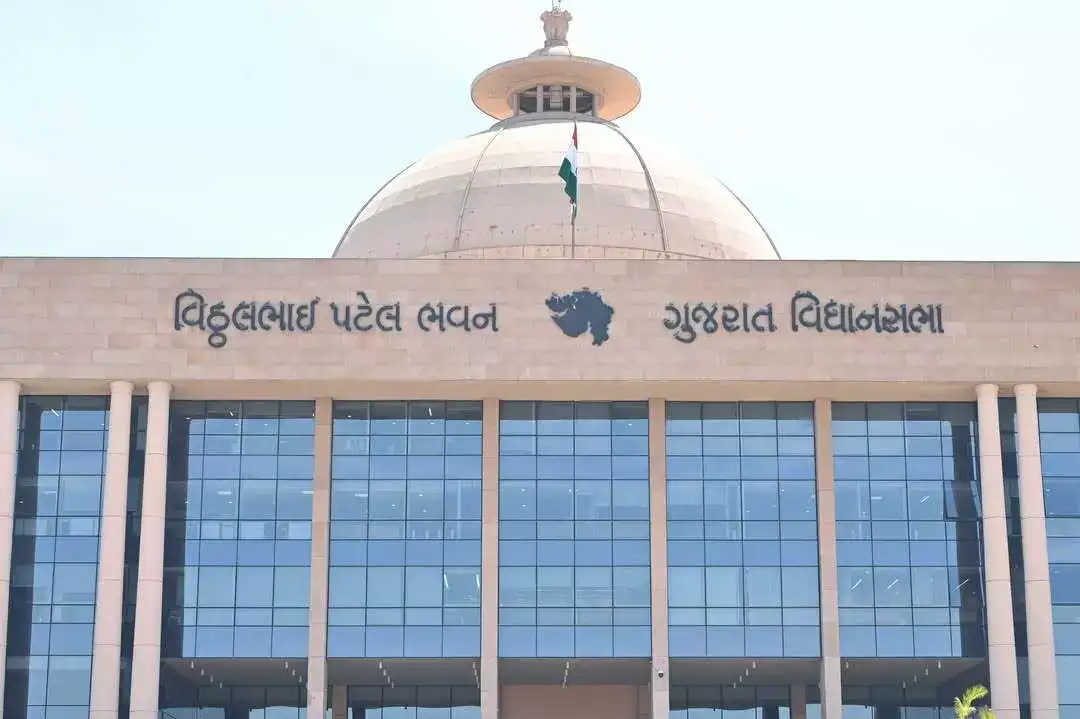
The legislation was introduced by Chief Minister Bhupendra Patel shortly after a state-appointed panel submitted its report. The move has quickly drawn national attention, especially as it touches on long-debated issues surrounding equality and personal laws. According to the government, the Uniform Civil Code in Gujarat is designed to ensure fairness and equal rights for all citizens.
One of the key highlights of the Gujarat UCC Bill is the standardisation of marriage and divorce laws. It introduces uniform grounds for divorce and enforces monogamy, making remarriage during an existing marriage punishable under the Bharatiya Nyaya Sanhita 2023. Additionally, the law establishes a single framework for succession, replacing religion-based personal laws with a unified system.
Another notable provision is the regulation of live-in relationships. Under the new rules, couples must register their relationship with a designated authority. The law also ensures that children born from such relationships are recognised as legitimate, reinforcing legal clarity and protection.
However, the passage of the Uniform Civil Code Bill Gujarat has not been without controversy. Opposition parties, including Congress, have criticised the move, calling it discriminatory towards minorities. Protests were reported in parts of Ahmedabad, where demonstrators raised concerns about religious freedoms and inclusivity.
The Bill excludes Scheduled Tribes and communities whose customary practices are protected under the Constitution. Meanwhile, the government maintains that the UCC aligns with Article 44, which encourages a uniform set of civil laws across the country.
Overall, the Gujarat Uniform Civil Code Bill marks a major development in India’s legal landscape. Whether it becomes a model for other states remains to be seen, but it has certainly reignited the national conversation on legal uniformity and social reform.
The legislation was introduced by Chief Minister Bhupendra Patel shortly after a state-appointed panel submitted its report. The move has quickly drawn national attention, especially as it touches on long-debated issues surrounding equality and personal laws. According to the government, the Uniform Civil Code in Gujarat is designed to ensure fairness and equal rights for all citizens.
One of the key highlights of the Gujarat UCC Bill is the standardisation of marriage and divorce laws. It introduces uniform grounds for divorce and enforces monogamy, making remarriage during an existing marriage punishable under the Bharatiya Nyaya Sanhita 2023. Additionally, the law establishes a single framework for succession, replacing religion-based personal laws with a unified system.
You may also like
- DMK's TKS Elangovan slams AIADMK manifesto, says Palaniswami 'afraid of defeat'
- Uttarakhand CM Dhami briefs about Char Dham Yatra preparations, calls it "monumental occasion"
- Kashmiri separatist Asiya Andrabi sentences to life imprisonment in UAPA case
- Telangana Hate Speech Bill should be implemented without any bias: BRS leader Ravula Sridhar Reddy
- Centre notifies order to strengthen piped natural gas infrastructure
Another notable provision is the regulation of live-in relationships. Under the new rules, couples must register their relationship with a designated authority. The law also ensures that children born from such relationships are recognised as legitimate, reinforcing legal clarity and protection.
However, the passage of the Uniform Civil Code Bill Gujarat has not been without controversy. Opposition parties, including Congress, have criticised the move, calling it discriminatory towards minorities. Protests were reported in parts of Ahmedabad, where demonstrators raised concerns about religious freedoms and inclusivity.
The Bill excludes Scheduled Tribes and communities whose customary practices are protected under the Constitution. Meanwhile, the government maintains that the UCC aligns with Article 44, which encourages a uniform set of civil laws across the country.
Overall, the Gujarat Uniform Civil Code Bill marks a major development in India’s legal landscape. Whether it becomes a model for other states remains to be seen, but it has certainly reignited the national conversation on legal uniformity and social reform.






More from our partners


Loving Newspoint? Download the app now
