
Heatwave Alert in India: Government Releases Safety Advisory as Temperatures Rise - Key Safety Tips

India is witnessing a sharp rise in temperatures, prompting authorities to issue a nationwide heatwave alert. With several regions already experiencing extreme heat and humidity, the government has stepped in with crucial safety guidelines to protect citizens from serious health risks such as heat stroke.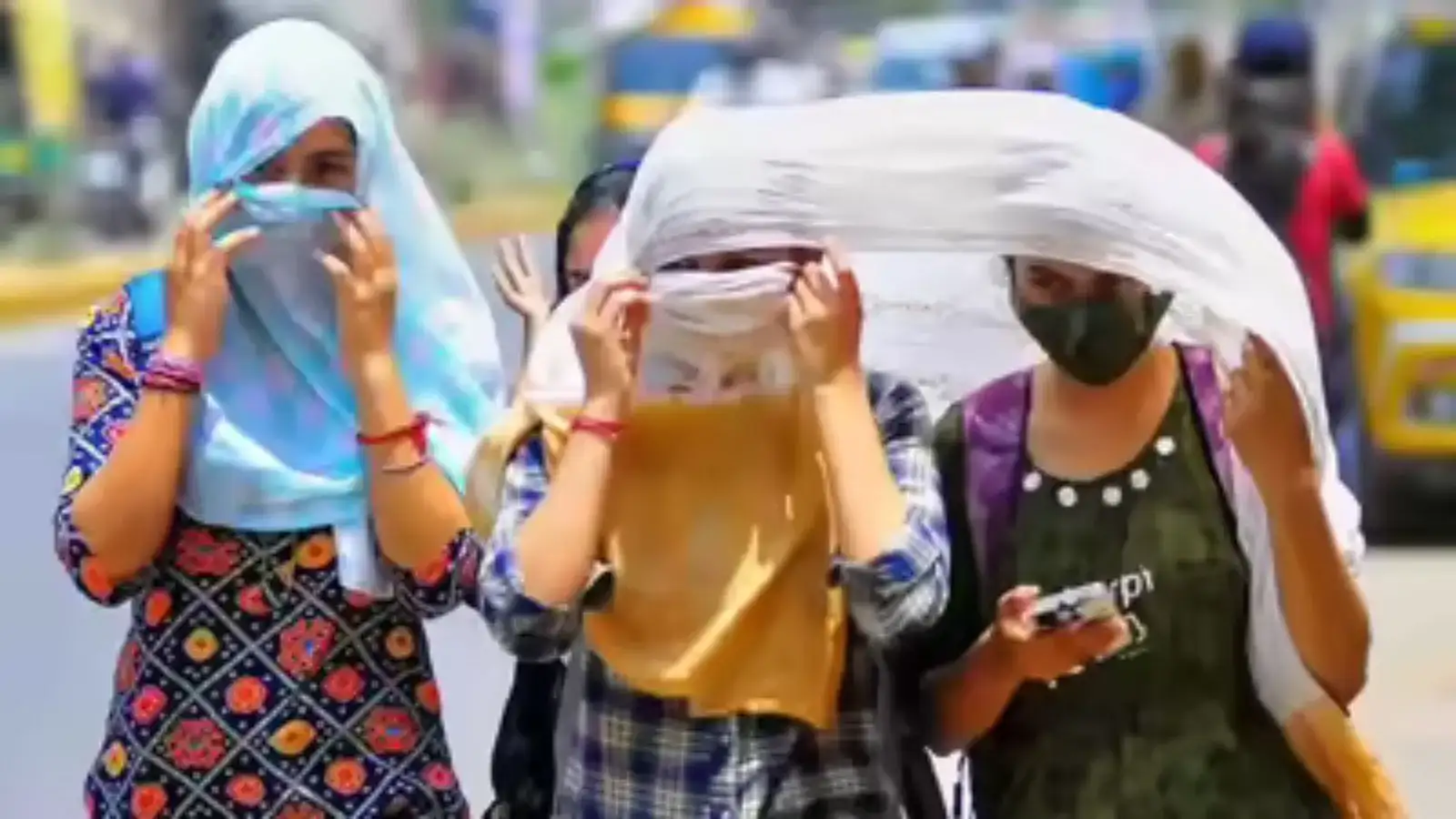
Government Urges Caution Amid Rising Temperatures
The Ministry of Health and Family Welfare has released an advisory highlighting the growing threat of heatwaves. The warning comes at a time when global temperatures are steadily increasing, making extreme weather events more frequent and intense.
In its official statement shared on social media, the ministry stated,
"heat waves are increasing due to rising global temperatures. Stay safe from heat stroke: drink enough water, avoid heavy work during peak heat hours, wear light-coloured clothes, and take frequent rest breaks. In case of heat stroke, move the person to a cooler place and give first aid immediately."
Why Heatwaves Are Becoming More Dangerous
The advisory was accompanied by an informative poster explaining the science behind heatwaves. According to the data shared, even a 1°C rise in global temperature can significantly extend the duration and intensity of heatwaves.
Another major concern is dehydration. During extreme heat, inadequate water intake reduces the body’s ability to regulate temperature, increasing the risk of heat stroke and other heat-related illnesses.
Essential Precautions to Stay Safe
To minimise health risks during heatwave conditions, the government has recommended the following measures:
These simple yet effective steps can go a long way in preventing heat-related complications.
First Aid Steps for Heat Stroke
Recognising and responding quickly to heat stroke can be life-saving. The advisory outlines the following first aid measures:
Timely action is critical to prevent the condition from worsening.

Regions on High Alert
The India Meteorological Department has also issued warnings for multiple regions across the country. Severe heatwave conditions are expected in:
Meanwhile, coastal states including Kerala, Tamil Nadu, Gujarat, and Coastal Andhra Pradesh are likely to experience hot and humid weather.
Rising UV Exposure Adds to the Risk
Experts have also pointed out that tropical regions like Kerala often record high UV index levels during summer, especially under clear skies. However, with temperatures rising and heatwaves lasting longer, the impact of UV radiation is becoming more severe.
This increases the risk of sunburn, dehydration, and long-term skin damage, making it even more important to follow safety precautions.
Stay Prepared, Stay Safe
As India braces for intense summer conditions, awareness and timely action remain the best defence. Following the government’s advisory can significantly reduce the risk of heat-related illnesses and help people stay safe during this challenging period.
Government Urges Caution Amid Rising Temperatures
The Ministry of Health and Family Welfare has released an advisory highlighting the growing threat of heatwaves. The warning comes at a time when global temperatures are steadily increasing, making extreme weather events more frequent and intense.
In its official statement shared on social media, the ministry stated,
"heat waves are increasing due to rising global temperatures. Stay safe from heat stroke: drink enough water, avoid heavy work during peak heat hours, wear light-coloured clothes, and take frequent rest breaks. In case of heat stroke, move the person to a cooler place and give first aid immediately."
Why Heatwaves Are Becoming More Dangerous
The advisory was accompanied by an informative poster explaining the science behind heatwaves. According to the data shared, even a 1°C rise in global temperature can significantly extend the duration and intensity of heatwaves.
Another major concern is dehydration. During extreme heat, inadequate water intake reduces the body’s ability to regulate temperature, increasing the risk of heat stroke and other heat-related illnesses.
Essential Precautions to Stay Safe
To minimise health risks during heatwave conditions, the government has recommended the following measures:
- Avoid strenuous activities during peak afternoon hours
- Stay well-hydrated by drinking plenty of water
- Limit intake of caffeinated and sugary drinks, as they can lead to dehydration
- Wear light-coloured, loose-fitting clothes
- Take frequent breaks, especially if working outdoors
These simple yet effective steps can go a long way in preventing heat-related complications.
First Aid Steps for Heat Stroke
Recognising and responding quickly to heat stroke can be life-saving. The advisory outlines the following first aid measures:
- Move the affected person to a cool or shaded area
- Make them lie down comfortably
- Apply cold compresses to lower body temperature
- Offer small sips of chilled water
- Once stable, provide food with high water content
Timely action is critical to prevent the condition from worsening.
Regions on High Alert
The India Meteorological Department has also issued warnings for multiple regions across the country. Severe heatwave conditions are expected in:
- Telangana and Rayalaseema
- Madhya Maharashtra and Marathwada
- North Interior Karnataka
- Madhya Pradesh and Chhattisgarh
- Vidarbha, Odisha, Jharkhand, and West Rajasthan
Meanwhile, coastal states including Kerala, Tamil Nadu, Gujarat, and Coastal Andhra Pradesh are likely to experience hot and humid weather.
Rising UV Exposure Adds to the Risk
Experts have also pointed out that tropical regions like Kerala often record high UV index levels during summer, especially under clear skies. However, with temperatures rising and heatwaves lasting longer, the impact of UV radiation is becoming more severe.
This increases the risk of sunburn, dehydration, and long-term skin damage, making it even more important to follow safety precautions.
Stay Prepared, Stay Safe
As India braces for intense summer conditions, awareness and timely action remain the best defence. Following the government’s advisory can significantly reduce the risk of heat-related illnesses and help people stay safe during this challenging period.
Next Story