
Plastic Eggs At Home? FSSAI Explains How To Check If An Egg Is Fresh

Eggs are a common part of many household kitchens, but social media claims about so-called plastic or fake eggs can sometimes create unnecessary doubts. Some posts suggest that changes in an egg's appearance or texture are proof that it is artificial.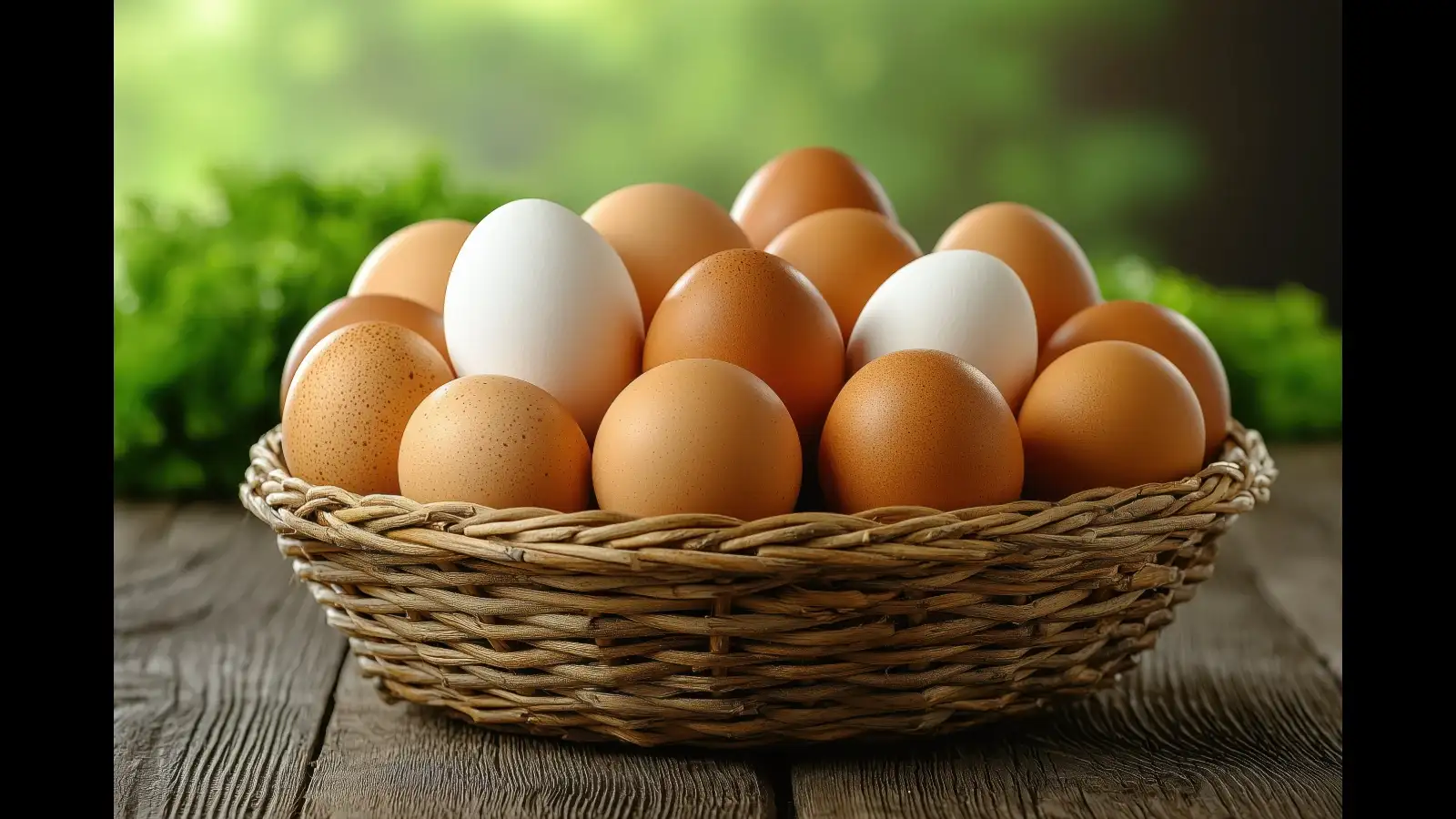
The Food Safety and Standards Authority of India (FSSAI) has addressed such claims and explained how consumers can check the freshness of eggs at home. The food regulator has also advised people to avoid believing food-related rumours without checking information from reliable sources.
Take a glass or bowl and fill it with water. Gently place the egg into the water and observe what happens.
If the egg sinks to the bottom and lies flat, it is generally considered fresh. If it starts standing upright or floats, it may be older or stale.
This happens because an eggshell is not completely sealed. It contains tiny pores through which moisture gradually escapes as the egg ages. As moisture leaves the egg, the air space inside becomes larger. This increased air space changes the way the egg behaves when placed in water.
However, this test is mainly useful for checking freshness. It cannot confirm whether an egg is real or made of plastic.
FSSAI has rejected this idea. As an egg gets older, the distinction between the yolk and white can gradually become less pronounced. Some mixing can occur naturally and does not, by itself, prove that the egg is artificial.
Therefore, seeing a yolk that does not remain completely separate from the white should not immediately lead to the conclusion that the egg is fake.
This is linked to the natural loss of moisture through the tiny pores in the shell. As the egg ages and its internal air space increases, its appearance and behaviour can change.
Such changes are not automatically evidence that an egg has been made from plastic or another artificial material.
The water test can be a convenient way to assess whether an egg is fresh, but it should not be treated as a test for identifying a plastic egg.
Overall, an egg that floats, has a less distinct yolk and white, or shows some shell changes with age is not automatically a fake egg. Consumers should rely on credible food-safety information rather than social media rumours when assessing food quality.
The Food Safety and Standards Authority of India (FSSAI) has addressed such claims and explained how consumers can check the freshness of eggs at home. The food regulator has also advised people to avoid believing food-related rumours without checking information from reliable sources.
How To Check Egg Freshness With Water
One of the simplest ways to assess the freshness of an egg is the water test.Take a glass or bowl and fill it with water. Gently place the egg into the water and observe what happens.
If the egg sinks to the bottom and lies flat, it is generally considered fresh. If it starts standing upright or floats, it may be older or stale.
This happens because an eggshell is not completely sealed. It contains tiny pores through which moisture gradually escapes as the egg ages. As moisture leaves the egg, the air space inside becomes larger. This increased air space changes the way the egg behaves when placed in water.
However, this test is mainly useful for checking freshness. It cannot confirm whether an egg is real or made of plastic.
Does A Mixed Yolk Mean The Egg Is Fake?
Another common claim is that an egg must be fake if the yolk and egg white appear to mix.FSSAI has rejected this idea. As an egg gets older, the distinction between the yolk and white can gradually become less pronounced. Some mixing can occur naturally and does not, by itself, prove that the egg is artificial.
Therefore, seeing a yolk that does not remain completely separate from the white should not immediately lead to the conclusion that the egg is fake.
Why Does An Eggshell Change With Age?
Eggshells can also show changes as an egg gets older. The shell may appear drier or slightly different over time.This is linked to the natural loss of moisture through the tiny pores in the shell. As the egg ages and its internal air space increases, its appearance and behaviour can change.
Such changes are not automatically evidence that an egg has been made from plastic or another artificial material.
FSSAI Urges Consumers To Check Facts
FSSAI has cautioned consumers against accepting food and beverage claims circulating on social media without verification. Rumours can easily spread when normal changes in food are presented as evidence of adulteration or artificial ingredients.The water test can be a convenient way to assess whether an egg is fresh, but it should not be treated as a test for identifying a plastic egg.
Overall, an egg that floats, has a less distinct yolk and white, or shows some shell changes with age is not automatically a fake egg. Consumers should rely on credible food-safety information rather than social media rumours when assessing food quality.






Loving Newspoint? Download the app now
