
How To Get An E-Passport In India: Step-By-Step Guide

India is moving towards a more secure and modern passport system with the introduction of chip-based electronic passports, or e-passports. These digital passports combine the traditional booklet format with advanced technology to make international travel smoother, safer, and faster.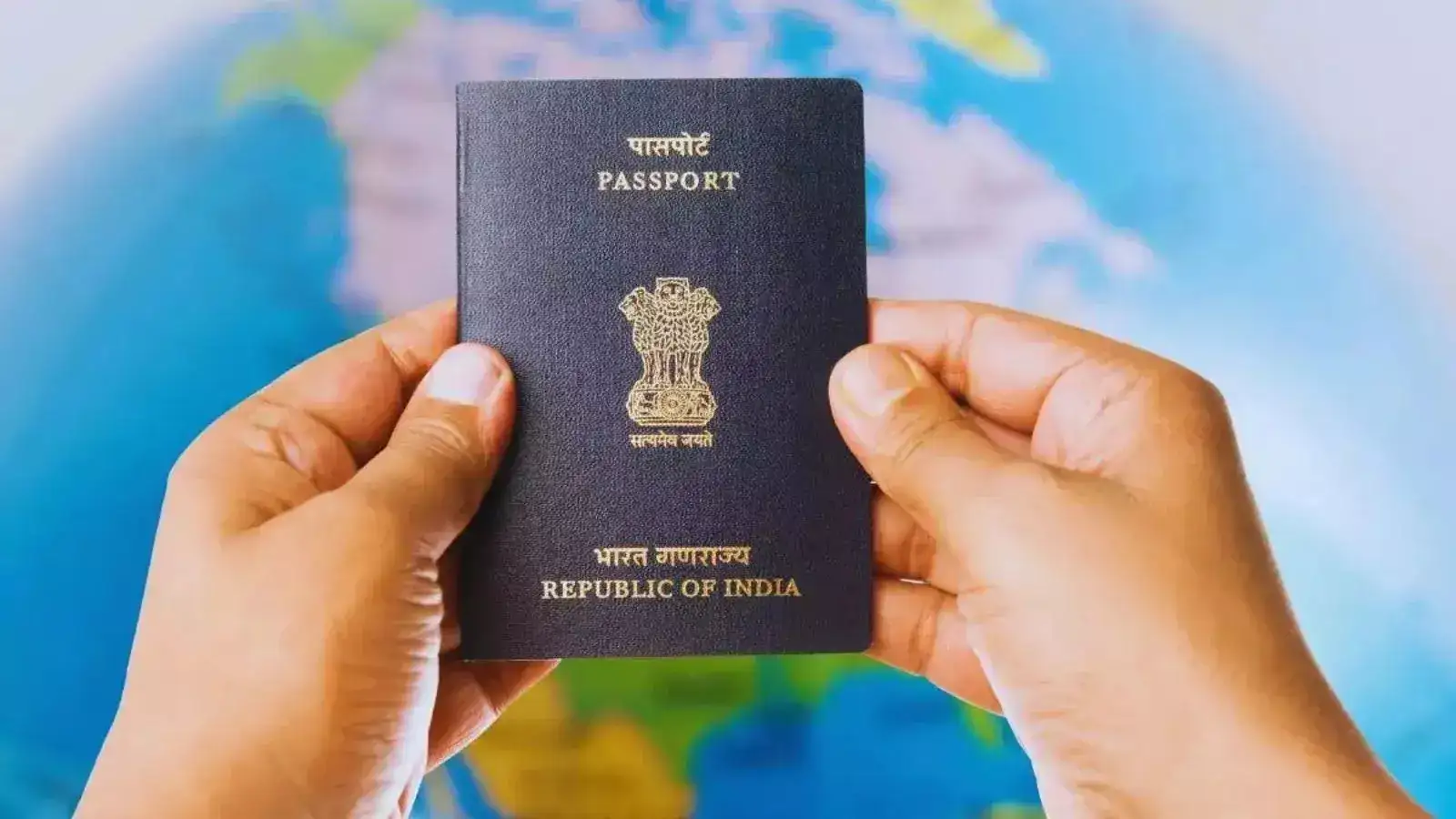
The initiative, part of the Passport Seva Programme 2.0 launched by the Ministry of External Affairs (MEA) on 1 April 2024, is currently being rolled out in select cities as part of a pilot phase.
What Is an E-Passport and How Does It Work?
An e-passport contains a built-in antenna and an RFID (Radio Frequency Identification) chip embedded within a special cover. This chip stores the passport holder’s biometric and personal information, including:
All stored data is encrypted and protected using global security standards such as BAC (Basic Access Control), PA (Passive Authentication), and EAC (Extended Access Control).
Benefits of E-Passports: More Security, Faster Travel
E-passports are already widely used in many countries and are considered the international standard for secure travel. Their real-time identity verification allows passengers to clear immigration faster, especially through automated e-gates, reducing waiting times at airports.
In addition to improved convenience, e-passports provide enhanced security. They make it harder for fraudsters to clone or forge passports, significantly lowering the risk of identity theft and passport fraud during border checks.
Where Are E-Passports Available in India?
As of now, e-passports are being issued in 13 cities across India:
The programme began its rollout in Tamil Nadu on 3 March 2024, starting with the Regional Passport Office in Chennai. By 22 March, the state had already issued over 20,700 e-passports, showing a rapid acceptance of the new system.
A nationwide rollout is expected by mid-2025, according to MEA officials.
How to Apply for an E-Passport in India
Applying for an e-passport is the same process as a regular passport. Here’s how to do it:
Your new e-passport will be processed and dispatched after successful verification and biometric enrolment.
India’s transition to e-passports marks a significant step in making international travel more efficient and secure for its citizens. With features like real-time identity checks, reduced waiting times, and advanced data protection, these digital passports represent the future of travel documentation.
As the rollout expands across the country, more people will soon be able to experience the benefits of this smart and secureNEWStravel solution.
The initiative, part of the Passport Seva Programme 2.0 launched by the Ministry of External Affairs (MEA) on 1 April 2024, is currently being rolled out in select cities as part of a pilot phase.
What Is an E-Passport and How Does It Work?
An e-passport contains a built-in antenna and an RFID (Radio Frequency Identification) chip embedded within a special cover. This chip stores the passport holder’s biometric and personal information, including:
- Full name
- Date of birth
- Passport number
- Facial image
- Fingerprints
All stored data is encrypted and protected using global security standards such as BAC (Basic Access Control), PA (Passive Authentication), and EAC (Extended Access Control).
Benefits of E-Passports: More Security, Faster Travel
E-passports are already widely used in many countries and are considered the international standard for secure travel. Their real-time identity verification allows passengers to clear immigration faster, especially through automated e-gates, reducing waiting times at airports.
You may also like
- Changing your address? Here's how to update your documents
- Mumbai Auto Strike Day 2: Commuters Face Trouble Over Marathi Rule As Rickshaw Drivers Continue Protest
- Mumbai: Sakinaka Police Book Woman For False Drug Party Tip-Off, Trespassing At Andheri East Ex-Fiancé's Home
- Zoho's Sridhar Vembu Says Forcing 'Discipline' On Employees Can Backfire, Explaining Trade-Off In Organisation Culture
- Gurmeet Ram Rahim granted 21-day furlough, 17th since 2020
In addition to improved convenience, e-passports provide enhanced security. They make it harder for fraudsters to clone or forge passports, significantly lowering the risk of identity theft and passport fraud during border checks.
Where Are E-Passports Available in India?
As of now, e-passports are being issued in 13 cities across India:
- Delhi
- Chennai
- Hyderabad
- Jaipur
- Surat
- Amritsar
- Ranchi
- Raipur
- Shimla
- Goa
- Bhubaneswar
- Jammu
- Nagpur
The programme began its rollout in Tamil Nadu on 3 March 2024, starting with the Regional Passport Office in Chennai. By 22 March, the state had already issued over 20,700 e-passports, showing a rapid acceptance of the new system.
A nationwide rollout is expected by mid-2025, according to MEA officials.
How to Apply for an E-Passport in India
Applying for an e-passport is the same process as a regular passport. Here’s how to do it:
- Visit the Passport Seva Portal
- Fill in your personal details and submit the application form
- Pay the applicable fees online
- Schedule an appointment at your nearest Passport Seva Kendra (PSK) or Post Office Passport Seva Kendra (POPSK)
- Visit the centre for biometric data collection, including photograph and fingerprints
Your new e-passport will be processed and dispatched after successful verification and biometric enrolment.
India’s transition to e-passports marks a significant step in making international travel more efficient and secure for its citizens. With features like real-time identity checks, reduced waiting times, and advanced data protection, these digital passports represent the future of travel documentation.
As the rollout expands across the country, more people will soon be able to experience the benefits of this smart and secureNEWStravel solution.






Loving Newspoint? Download the app now
