
India Becomes The World’s 3rd Largest Metro Network

India has achieved a remarkable milestone in urban transportation by becoming the third largest metro network in the world. With more than 1,000 kilometres of operational metro lines across over 20 cities, the country now ranks behind only China and the United States in terms of active metro infrastructure. This achievement highlights the rapid transformation of India’s metro network and its growing focus on modern, sustainable public transport systems.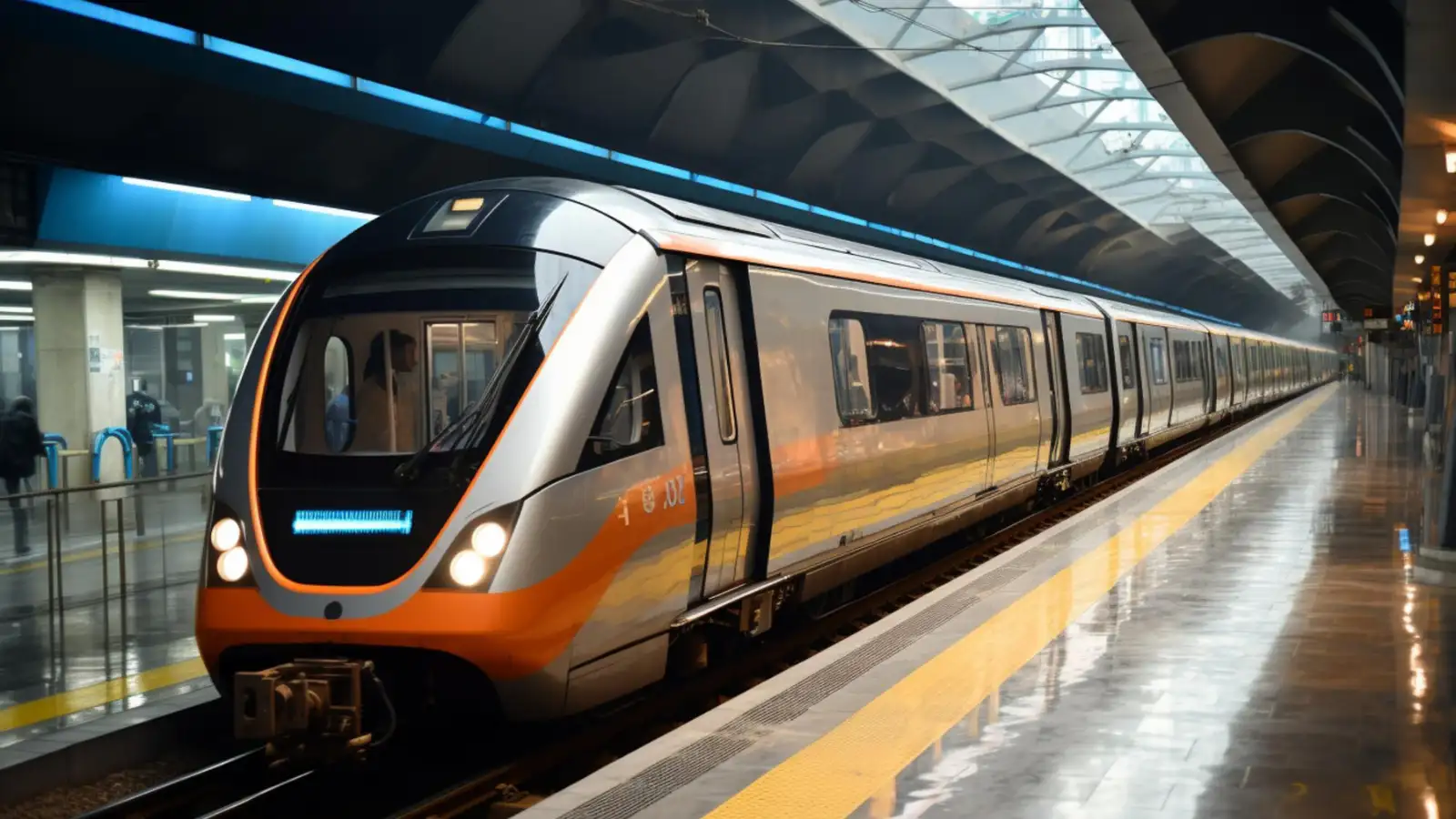
Over the past two decades, India has significantly expanded its urban transport infrastructure to meet the needs of its rapidly growing cities. By March 2026, the country had crossed the impressive mark of 1,143 kilometres of operational metro lines. Recent expansions, including the Pink Line circular extension in Delhi and new metro stretches in Mumbai and Ahmedabad, have played a crucial role in pushing India to this global ranking.
Read More: Which Country Grows The Most Corn In The World
Among the most prominent contributors to this growth is the Delhi Metro, which remains one of the largest and most efficient metro systems in the world. The ongoing Delhi Metro Phase 4 project is expected to add several new routes, improving connectivity across the National Capital Region. Similarly, Mumbai Metro lines continue to expand rapidly, helping ease traffic congestion in one of the country’s busiest cities.
Another key factor behind the success of the India metro network is the government’s focus on building reliable and sustainable urban mobility solutions. Today, more than 11.5 million passengers travel daily using metro services across Indian cities. The metro system has not only improved commuting times but has also reduced traffic congestion and lowered carbon emissions in urban areas.
In addition to conventional metro projects, India is also investing in advanced regional transport systems such as the Regional Rapid Transit System (RRTS). These high-speed rail corridors aim to connect major urban clusters and further strengthen the country’s public transport ecosystem.
The growth of the Indian metro system represents a major shift in the way cities manage mobility. With ongoing projects in cities like Bengaluru, Hyderabad, Pune, and Nagpur, the network is expected to expand even further in the coming years.
As India continues to prioritise modern infrastructure and sustainable mobility, its metro network expansion stands as a powerful example of how urban transportation can evolve to support millions of commuters every day.
Over the past two decades, India has significantly expanded its urban transport infrastructure to meet the needs of its rapidly growing cities. By March 2026, the country had crossed the impressive mark of 1,143 kilometres of operational metro lines. Recent expansions, including the Pink Line circular extension in Delhi and new metro stretches in Mumbai and Ahmedabad, have played a crucial role in pushing India to this global ranking.
Read More: Which Country Grows The Most Corn In The World
Among the most prominent contributors to this growth is the Delhi Metro, which remains one of the largest and most efficient metro systems in the world. The ongoing Delhi Metro Phase 4 project is expected to add several new routes, improving connectivity across the National Capital Region. Similarly, Mumbai Metro lines continue to expand rapidly, helping ease traffic congestion in one of the country’s busiest cities.
Another key factor behind the success of the India metro network is the government’s focus on building reliable and sustainable urban mobility solutions. Today, more than 11.5 million passengers travel daily using metro services across Indian cities. The metro system has not only improved commuting times but has also reduced traffic congestion and lowered carbon emissions in urban areas.
In addition to conventional metro projects, India is also investing in advanced regional transport systems such as the Regional Rapid Transit System (RRTS). These high-speed rail corridors aim to connect major urban clusters and further strengthen the country’s public transport ecosystem.
The growth of the Indian metro system represents a major shift in the way cities manage mobility. With ongoing projects in cities like Bengaluru, Hyderabad, Pune, and Nagpur, the network is expected to expand even further in the coming years.
As India continues to prioritise modern infrastructure and sustainable mobility, its metro network expansion stands as a powerful example of how urban transportation can evolve to support millions of commuters every day.
Next Story