
Why Indian Trains Come In Different Colours: Decode Each Coach Shade

When you board an Indian train, the first thing you notice is the vibrant mix of colours. Blue, maroon, green, and red coaches are more than just visually appealing, they convey essential information about the type of service, class, and purpose of each coach. Indian Railways , one of the world’s largest rail networks, has developed this colour-coding system over decades to improve passenger convenience and operational efficiency. By learning what each colour signifies, travellers can navigate stations and trains more easily, while also appreciating the rich history behind the network.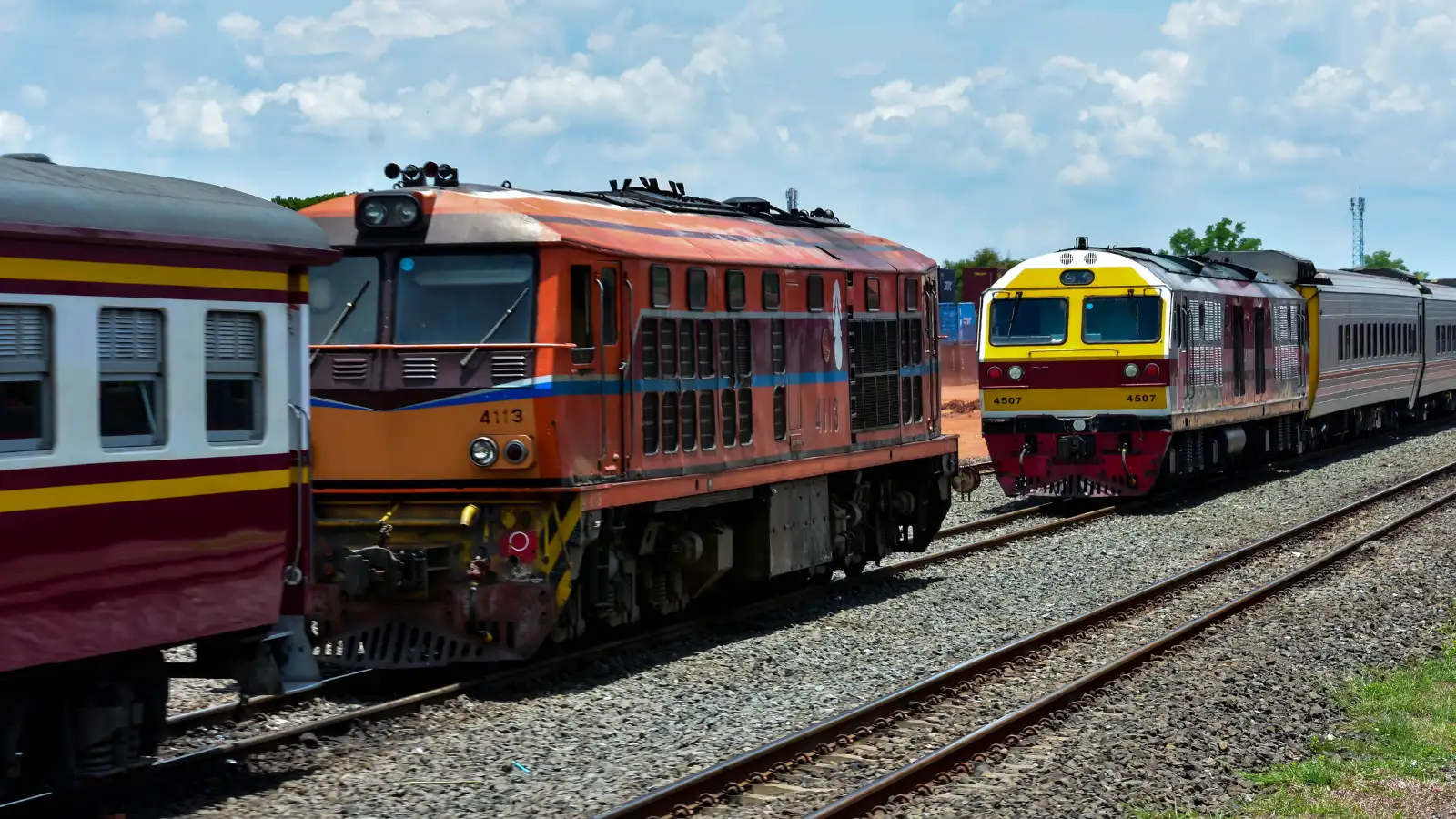
Blue Coaches: Standard Travel
Blue is the most common colour on Indian trains today, primarily used for sleeper class and general compartments. Introduced during modernisation efforts, blue represents standard, non-air-conditioned travel and is associated with affordability. Its wide adoption helps passengers quickly identify regular services on busy platforms, making it the signature colour of everyday Indian train travel.
Maroon Coaches: A Touch of Nostalgia
Maroon coaches were a staple in the early days of Indian Railways. Though gradually being replaced, these coaches evoke nostalgia, symbolising the classic era of rail travel. Spotting a maroon coach is like stepping back in time, giving travellers a glimpse of India’s railway heritage .
Green Coaches: Budget-Friendly Air-Conditioned Travel
Green coaches are reserved for trains like Garib Rath , offering air-conditioned comfort at affordable prices. This colour reflects economy and accessibility, helping passengers distinguish budget AC options from regular services. The green shade also adds a modern, fresh aesthetic to the railway network.
Red Coaches: Premium Comfort
Red or rust-coloured coaches indicate air-conditioned compartments, such as AC Chair Car or AC Sleeper. This vibrant hue signals upgraded amenities and comfort, making it easy for passengers to identify premium services at a glance.
Yellow Stripes and Markings: Functional Indicators
Yellow stripes on coaches denote special-purpose compartments, such as brake vans or parcel coaches. Bright yellow ensures visibility even in low-light conditions, allowing railway staff to identify these units quickly and safely.
Other Key Train Indicators
Next time you board a train, take a closer look at the colours around you. Each shade tells a story about the class, service, and rich legacy of Indian Railways. Understanding these colours transforms your journey from routine travel to a colourful exploration of India’s railway heritage.
Blue Coaches: Standard Travel
Blue is the most common colour on Indian trains today, primarily used for sleeper class and general compartments. Introduced during modernisation efforts, blue represents standard, non-air-conditioned travel and is associated with affordability. Its wide adoption helps passengers quickly identify regular services on busy platforms, making it the signature colour of everyday Indian train travel. Maroon Coaches: A Touch of Nostalgia
Maroon coaches were a staple in the early days of Indian Railways. Though gradually being replaced, these coaches evoke nostalgia, symbolising the classic era of rail travel. Spotting a maroon coach is like stepping back in time, giving travellers a glimpse of India’s railway heritage .Green Coaches: Budget-Friendly Air-Conditioned Travel
Green coaches are reserved for trains like Garib Rath , offering air-conditioned comfort at affordable prices. This colour reflects economy and accessibility, helping passengers distinguish budget AC options from regular services. The green shade also adds a modern, fresh aesthetic to the railway network. Red Coaches: Premium Comfort
Red or rust-coloured coaches indicate air-conditioned compartments, such as AC Chair Car or AC Sleeper. This vibrant hue signals upgraded amenities and comfort, making it easy for passengers to identify premium services at a glance.Yellow Stripes and Markings: Functional Indicators
Yellow stripes on coaches denote special-purpose compartments, such as brake vans or parcel coaches. Bright yellow ensures visibility even in low-light conditions, allowing railway staff to identify these units quickly and safely. Other Key Train Indicators
- X Mark on Last Coach: Confirms the train is complete and no coach is missing.
- Red Rear Light: Signals the end of the train for safety and collision prevention.
- Triangular Plate on Engine: Displays locomotive number and shed details for operational tracking.
Next time you board a train, take a closer look at the colours around you. Each shade tells a story about the class, service, and rich legacy of Indian Railways. Understanding these colours transforms your journey from routine travel to a colourful exploration of India’s railway heritage.
Next Story