
Who Is Menaka Guruswamy? India’s First Openly Queer MP in the Rajya Sabha

In a landmark moment for Indian democracy and the LGBTQ community, Meena Guruswamy has become India’s first openly queer Member of Parliament, marking a significant step forward for LGBTQ representation in the country. Her entry into the Rajya Sabha in 2026 is not just a personal achievement but a symbolic shift in India’s socio political landscape and that too one that represents progression and inclusion.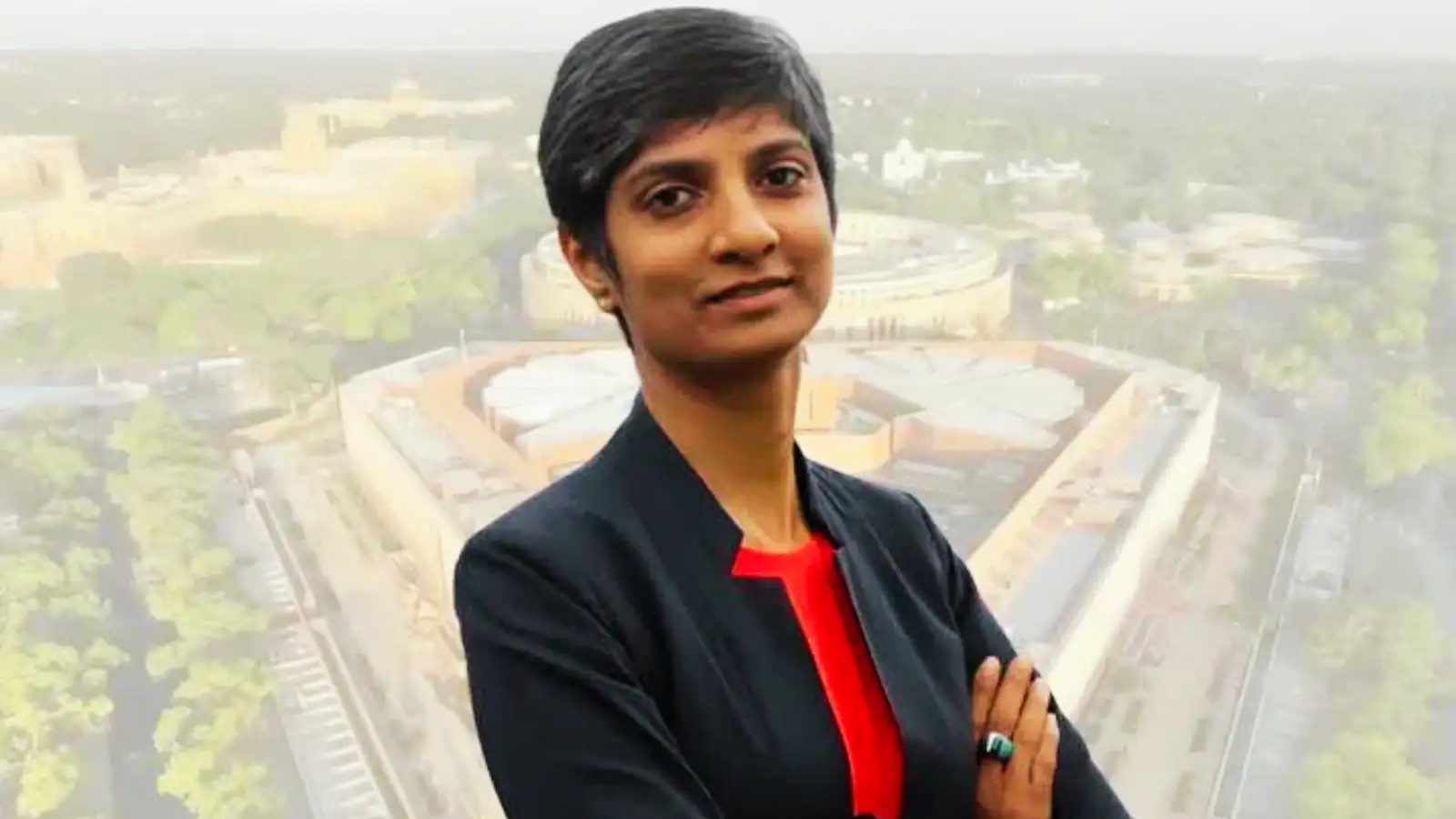
Menaka Guruswamy is not a conventional politician. Before stepping into parliament, she built a formidable reputation as a senior advocate in the Supreme Court of India. She is best known for her pivotal role in the 2018 judgement that decriminalised homosexuality by reading down section 377 of the Indian Penal Code.
This landmark verdict was a turning point in India’s legal and social history, ending over a century of criminalisation of same sex relationships. Guruswamy, along with other legal experts argued for the constitutional rights of LGBTQ+ individuals, framing the issue around dignity, privacy and equality. Her transition from legal activism to legislative power represents a rare continuum of shaping law in courtrooms to influencing policy in the legislative.
In April 2026, Guruswamy took oath as a Member of Parliament in the Rajya Sabha, representing West Bengal as a nominee of the Trinamool Congress . This made her the first openly queer individual to hold a seat in India’s Parliament.
Her appointment has been widely celebrated as a milestone for diversity and inclusion in Indian politics. For decades, LGBTQ+ individuals in India have faced systemic marginalisation, social stigma, and political invisibility. Guruswamy’s presence in Parliament challenges that legacy, offering representation at the highest level of governance.
Representation in politics is not merely symbolic as it shapes policy priorities and public discourse. The absence of openly queer voices in Indian law making has historically meant that LGBTQ+ issues were either ignored or addressed inadequately.
With Guruswamy in Parliament, there is renewed hope for more inclusive legislation, especially in areas such as anti-discrimination laws, marriage equality, and workplace rights. Her lived experience, combined with her legal expertise, positions her uniquely to advocate for systemic change.
Moreover, her visibility sends a powerful message to millions of LGBTQ+ Indians: that identity is not a barrier to leadership. In a society where coming out still carries risks, her achievement represents courage and progress.
Menaka Guruswamy’s journey from a constitutional lawyer challenging outdated laws to a parliamentarian shaping the future embodies the evolving narrative of modern India. Her presence in Parliament is more than a personal milestone; it is a reflection of a society in transition.
As India continues to grapple with questions of equality and inclusion, her role could prove pivotal. Whether through legislative advocacy or public discourse, she has the potential to influence how the nation understands and embraces diversity.
From courtrooms to parliament
Menaka Guruswamy is not a conventional politician. Before stepping into parliament, she built a formidable reputation as a senior advocate in the Supreme Court of India. She is best known for her pivotal role in the 2018 judgement that decriminalised homosexuality by reading down section 377 of the Indian Penal Code.
This landmark verdict was a turning point in India’s legal and social history, ending over a century of criminalisation of same sex relationships. Guruswamy, along with other legal experts argued for the constitutional rights of LGBTQ+ individuals, framing the issue around dignity, privacy and equality. Her transition from legal activism to legislative power represents a rare continuum of shaping law in courtrooms to influencing policy in the legislative.
A historic political moment
In April 2026, Guruswamy took oath as a Member of Parliament in the Rajya Sabha, representing West Bengal as a nominee of the Trinamool Congress . This made her the first openly queer individual to hold a seat in India’s Parliament.
Her appointment has been widely celebrated as a milestone for diversity and inclusion in Indian politics. For decades, LGBTQ+ individuals in India have faced systemic marginalisation, social stigma, and political invisibility. Guruswamy’s presence in Parliament challenges that legacy, offering representation at the highest level of governance.
Why Representation Matters
Representation in politics is not merely symbolic as it shapes policy priorities and public discourse. The absence of openly queer voices in Indian law making has historically meant that LGBTQ+ issues were either ignored or addressed inadequately.
With Guruswamy in Parliament, there is renewed hope for more inclusive legislation, especially in areas such as anti-discrimination laws, marriage equality, and workplace rights. Her lived experience, combined with her legal expertise, positions her uniquely to advocate for systemic change.
Moreover, her visibility sends a powerful message to millions of LGBTQ+ Indians: that identity is not a barrier to leadership. In a society where coming out still carries risks, her achievement represents courage and progress.
Menaka Guruswamy’s journey from a constitutional lawyer challenging outdated laws to a parliamentarian shaping the future embodies the evolving narrative of modern India. Her presence in Parliament is more than a personal milestone; it is a reflection of a society in transition.
As India continues to grapple with questions of equality and inclusion, her role could prove pivotal. Whether through legislative advocacy or public discourse, she has the potential to influence how the nation understands and embraces diversity.
Next Story