
India’s Hidden Islands That Remain Far From the Tourist Trail

When people think about Indian islands, the Andaman and Nicobar Islands or Lakshadweep usually come first. Yet India has many smaller islands scattered across rivers, lakes, estuaries and seas that remain largely unknown to mainstream travellers. Some are home to distinctive communities, some support rare wildlife, while others are shaped by dramatic seasonal changes in water levels. A few can be reached only with local assistance, making them very different from conventional beach destinations. These lesser-known Indian islands offer a glimpse of a quieter side of the country, where fishing, farming, forests and traditional lifestyles often matter more than tourism. Their stories also reveal just how geographically diverse India's island landscapes really are.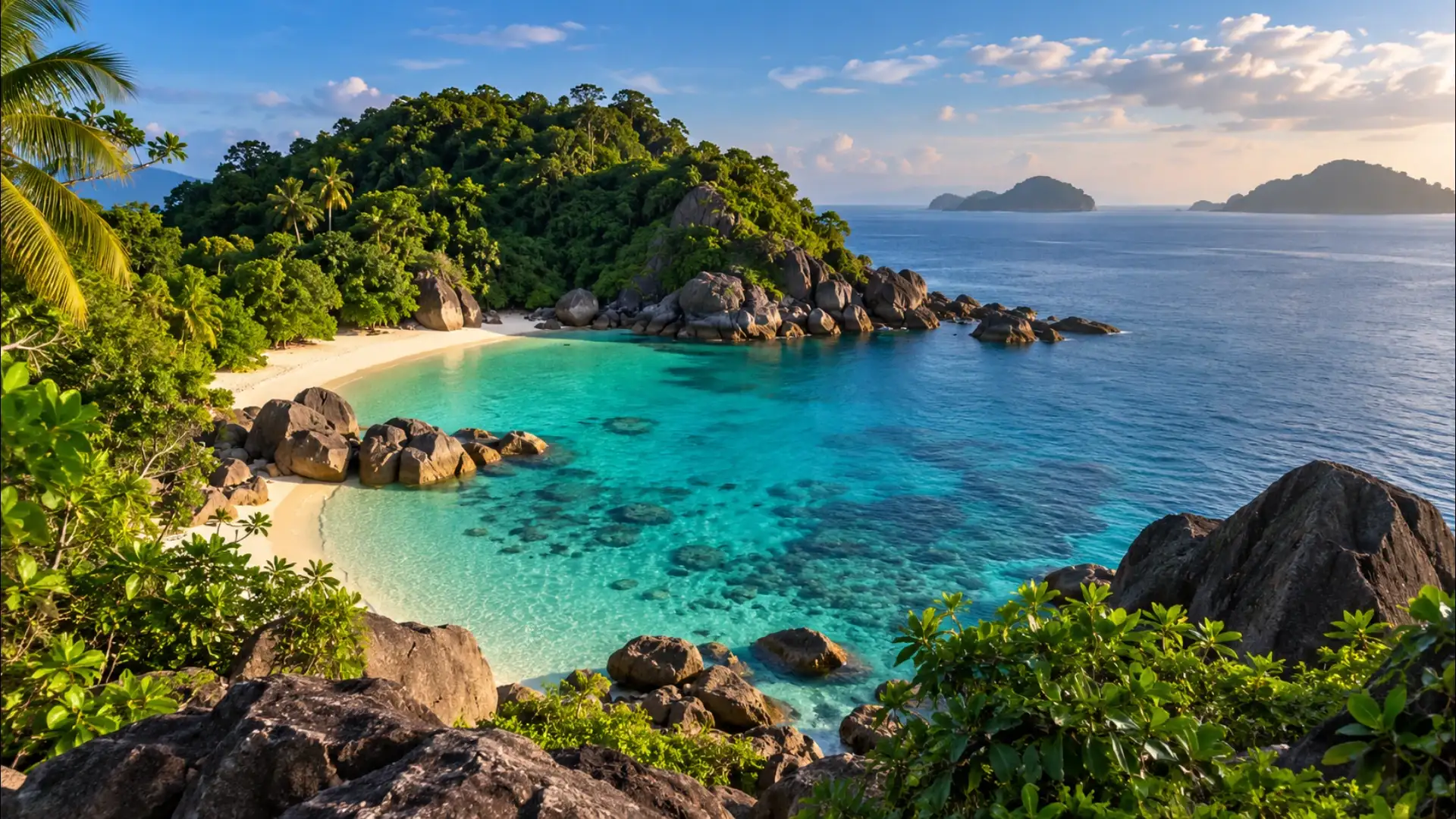
Located in the Brahmaputra River, Majuli has long been associated with Assamese culture, agriculture and Vaishnavite traditions. Its landscape is heavily influenced by flooding and riverbank erosion.
The island is also known for its satras, religious and cultural institutions established as part of the Vaishnavite movement associated with Srimanta Sankardeva.
Majuli's communities have developed a lifestyle closely connected to the river. Agriculture, fishing, pottery and traditional crafts remain important, while seasonal flooding continues to shape everyday life.
Instead of dramatic beaches, the island is characterised by narrow canals, coconut palms, paddy fields and traditional homes. Canoes remain an important part of local life.
The island's network of waterways provides a fascinating window into Kerala's historic relationship with water. Visitors can see how transportation, agriculture and daily routines developed around canals rather than roads.
Its relatively quiet atmosphere also makes it very different from Kerala's busier tourist destinations.
Although it is close to one of India's most popular tourist states, Divar has retained a slower pace of life. Traditional houses, churches, agricultural fields and narrow roads create an atmosphere quite different from Goa's famous beaches.
The island is closely associated with Goa's history and local Catholic and Konkani cultural traditions.
Its annual Bonderam festival, celebrated in August, is particularly distinctive. The event combines village traditions, colourful floats and community celebrations.
For travellers seeking Goa beyond beaches and nightlife, Divar offers a fascinating alternative.
The rocks were created by volcanic activity millions of years ago and have weathered into striking geometric formations.
The islands are small and uninhabited, and access is seasonal because sea conditions can affect boat services.
Their geological importance makes them particularly interesting. They demonstrate that India's island landscapes are not all about coral reefs or tropical forests. Some preserve evidence of ancient geological processes.
The region supports coral reefs, seagrass ecosystems and diverse marine life. The islands form part of a protected marine environment where conservation efforts are particularly significant.
Nearby Rameswaram is much better known, but the smaller islands beyond the main tourist circuit remain comparatively obscure.
Their importance extends beyond tourism. Healthy coral and seagrass ecosystems support marine biodiversity and contribute to the livelihoods of coastal fishing communities.
Many face serious environmental pressures, including coastal erosion, rising sea levels, changing rainfall and human development. Increased tourism can also create problems if infrastructure grows faster than local ecosystems can handle.
For that reason, visiting lesser-known islands responsibly matters. Local guides, community-run accommodation and low-impact travel can help ensure that tourism benefits residents without overwhelming fragile environments.
Majuli tells the story of a river constantly reshaping the land. Munroe Island demonstrates how communities can build their lives around waterways. Divar preserves elements of Goa's village culture, while St Mary's Islands offer a window into India's geological past.
They may have little in common geographically, yet each shows how people and landscapes influence one another.
Majuli, Assam: An Island Shaped by a Great River
Majuli is perhaps the most famous lesser-known island on this list, yet even many Indian travellers have never visited it.Located in the Brahmaputra River, Majuli has long been associated with Assamese culture, agriculture and Vaishnavite traditions. Its landscape is heavily influenced by flooding and riverbank erosion.
The island is also known for its satras, religious and cultural institutions established as part of the Vaishnavite movement associated with Srimanta Sankardeva.
Majuli's communities have developed a lifestyle closely connected to the river. Agriculture, fishing, pottery and traditional crafts remain important, while seasonal flooding continues to shape everyday life.
Munroe Island , Kerala: Where Backwaters Meet Village Life
In Kerala's Kollam district, Munroe Island sits at the meeting point of several waterways.Instead of dramatic beaches, the island is characterised by narrow canals, coconut palms, paddy fields and traditional homes. Canoes remain an important part of local life.
The island's network of waterways provides a fascinating window into Kerala's historic relationship with water. Visitors can see how transportation, agriculture and daily routines developed around canals rather than roads.
Its relatively quiet atmosphere also makes it very different from Kerala's busier tourist destinations.
Divar Island , Goa: A Different Side of Goa
Just across the Mandovi River from mainland Goa lies Divar Island.Although it is close to one of India's most popular tourist states, Divar has retained a slower pace of life. Traditional houses, churches, agricultural fields and narrow roads create an atmosphere quite different from Goa's famous beaches.
The island is closely associated with Goa's history and local Catholic and Konkani cultural traditions.
Its annual Bonderam festival, celebrated in August, is particularly distinctive. The event combines village traditions, colourful floats and community celebrations.
For travellers seeking Goa beyond beaches and nightlife, Divar offers a fascinating alternative.
St Mary’s Islands, Karnataka: Basalt Frozen in Stone
Off the coast of Malpe near Udupi are the St Mary's Islands , known for their unusual columnar basalt formations.The rocks were created by volcanic activity millions of years ago and have weathered into striking geometric formations.
The islands are small and uninhabited, and access is seasonal because sea conditions can affect boat services.
Their geological importance makes them particularly interesting. They demonstrate that India's island landscapes are not all about coral reefs or tropical forests. Some preserve evidence of ancient geological processes.
Pamban and the Islands Around the Gulf of Mannar
Tamil Nadu's Gulf of Mannar contains numerous small islands and islets, many of which are ecologically important.You may also like
- Ex-Tehelka editor-in-chief Tarun Tejpal surrenders before Goa court in 2013 rape case
- Man tied up, brutally assaulted during robbery in Keralam
- Mumbai Cybercrime Surge: 3,689 Online Fraud Cases Reported In 7 Months, Only 847 Detected
- Mumbai Lake Levels Rise To 97.48% After Heavy Rain In Catchment Areas
- Manoj Jarange Patil Alleges Conspiracy To Kill Him Ahead Of Mumbai March, Says 'Will Not Bow'
The region supports coral reefs, seagrass ecosystems and diverse marine life. The islands form part of a protected marine environment where conservation efforts are particularly significant.
Nearby Rameswaram is much better known, but the smaller islands beyond the main tourist circuit remain comparatively obscure.
Their importance extends beyond tourism. Healthy coral and seagrass ecosystems support marine biodiversity and contribute to the livelihoods of coastal fishing communities.
Why India’s Lesser-Known Islands Matter
These islands are not simply places waiting to become tourist destinations.Many face serious environmental pressures, including coastal erosion, rising sea levels, changing rainfall and human development. Increased tourism can also create problems if infrastructure grows faster than local ecosystems can handle.
For that reason, visiting lesser-known islands responsibly matters. Local guides, community-run accommodation and low-impact travel can help ensure that tourism benefits residents without overwhelming fragile environments.
Islands That Tell Different Indian Stories
What makes India's lesser-known islands fascinating is their diversity.Majuli tells the story of a river constantly reshaping the land. Munroe Island demonstrates how communities can build their lives around waterways. Divar preserves elements of Goa's village culture, while St Mary's Islands offer a window into India's geological past.
They may have little in common geographically, yet each shows how people and landscapes influence one another.






Loving Newspoint? Download the app now
