
India’s Last Traditional Boat Routes Still Used by Local Communities

In parts of India, the quickest way to reach a neighbouring village is still not by road. It is by boat. Across Kerala's backwaters, Assam's rivers, Kashmir's lakes and the waterways of West Bengal, traditional boats continue to carry people, food, farm produce and everyday supplies. Modern roads have transformed most of the country, but geography has ensured that boats remain indispensable in places where rivers and canals are part of the landscape. Some routes have existed for generations, while others have survived because seasonal flooding makes roads unreliable. These traditional boat routes offer a fascinating reminder that India's transport history did not develop only on roads and railways. In many communities, water remains the original highway.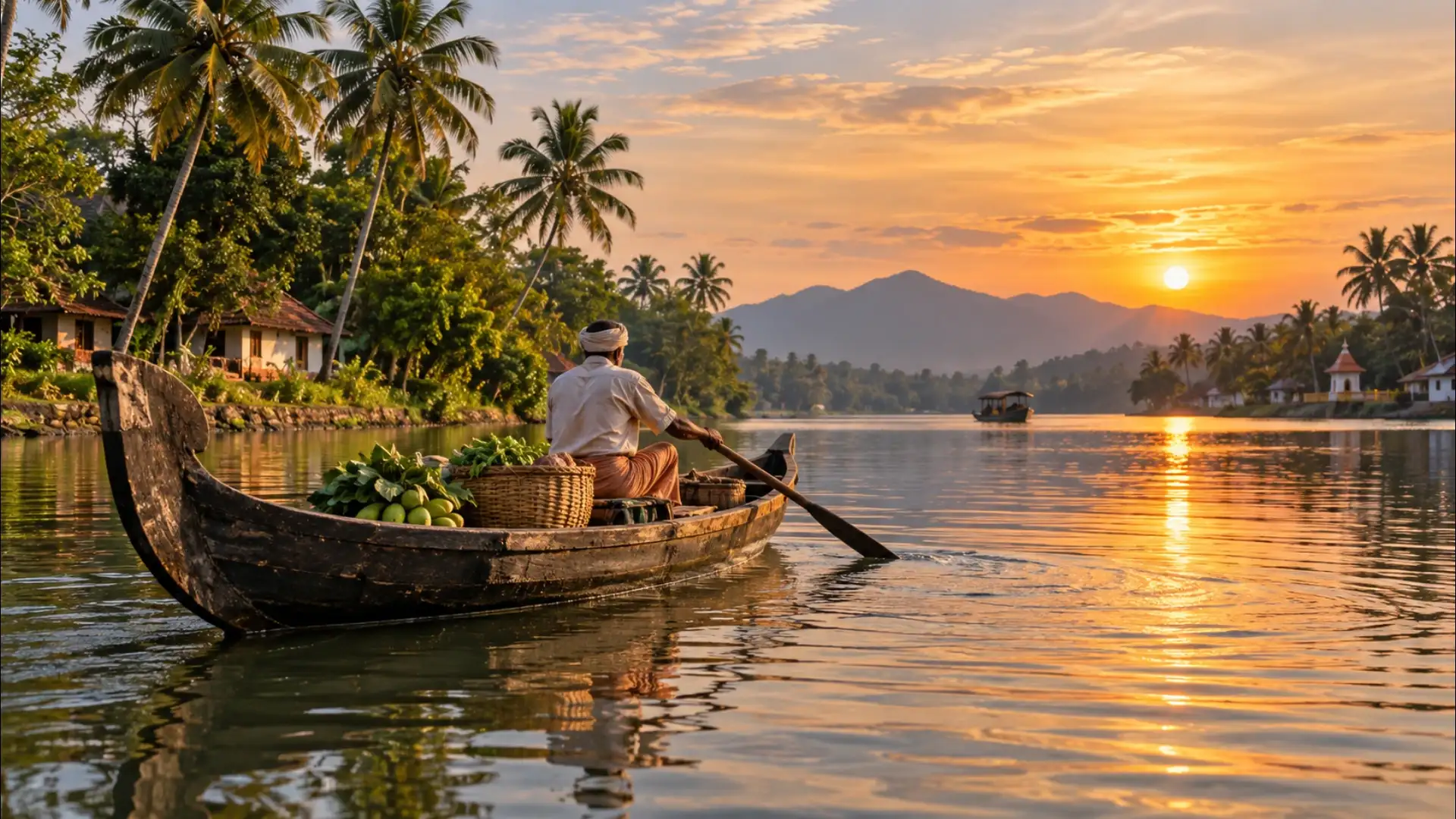
A network of lakes, lagoons, rivers and canals connects numerous communities, particularly around Alappuzha and Kuttanad. Traditional boats have historically been used to transport people and agricultural produce through this watery landscape.
Kettuvallams were originally large cargo boats used to move rice and other goods. Their modern conversion into tourist houseboats has made them famous, but smaller country boats continue to have practical uses.
For some communities, waterways can still provide a direct connection between settlements that would otherwise require a much longer journey by road.
Ferries and smaller traditional boats connect river islands, chars and mainland settlements. During the monsoon, when roads can become difficult to use, water transport becomes particularly valuable.
The state's rural economy has long depended on rivers. Farmers use boats to move crops, while residents may rely on ferries to reach markets, schools and healthcare facilities.
The importance of boats becomes especially clear on river islands, where water may be the only practical connection for significant parts of the year.
In the Sundarbans, where rivers, creeks and tidal channels cut through mangrove forests, boats remain essential for many communities. Fishing boats transport workers and catch, while passenger vessels connect settlements.
The geography makes conventional road networks difficult and expensive to develop in several areas.
Here, a boat is not necessarily an adventure or a holiday experience. It can be as ordinary as a bus is elsewhere.
But Kashmir's traditional water transport has a deeper history. Boats were historically used to move people and goods through the valley's waterways.
The region's lakes and rivers provided natural transportation corridors, particularly before modern road networks expanded.
Today, the shikara remains an important cultural symbol as well as a tourism attraction.
When roads disappear beneath water, small boats can transport food, medicines and people. In parts of Assam and Bihar, local knowledge of waterways can become particularly valuable during the monsoon.
This is one reason traditional boat skills continue to survive. Communities cannot simply abandon knowledge that remains useful during difficult seasons.
Before modern roads and railways, rivers offered relatively efficient ways to move heavy goods. Grain, timber, salt, fish and other commodities could be transported by boat far more easily than by carrying them overland.
Even today, boats can provide an inexpensive alternative where roads are limited.
This matters particularly for small-scale farmers and fishing communities, for whom transport costs can directly affect household income.
Pollution, siltation, shrinking wetlands and altered river flows can also make navigation more difficult.
There is another challenge: traditional boat-building knowledge is itself becoming less common. As wooden boats are replaced by modern vessels, fewer younger people may learn the skills required to build and maintain them.
The loss is therefore cultural as well as practical.
For communities living around rivers, lakes and wetlands, water can remain the most natural route available.
There is also growing interest in sustainable transport, and waterways can sometimes move people and goods efficiently while avoiding the need for extensive road construction.
The challenge is finding a balance between modern infrastructure, environmental protection and traditional livelihoods.
Kerala’s Backwaters Still Run on Boats
Kerala's backwaters are internationally recognised as a tourist attraction, but their importance to local residents goes far beyond houseboats and cruises.A network of lakes, lagoons, rivers and canals connects numerous communities, particularly around Alappuzha and Kuttanad. Traditional boats have historically been used to transport people and agricultural produce through this watery landscape.
Kettuvallams were originally large cargo boats used to move rice and other goods. Their modern conversion into tourist houseboats has made them famous, but smaller country boats continue to have practical uses.
For some communities, waterways can still provide a direct connection between settlements that would otherwise require a much longer journey by road.
Assam’s Brahmaputra Boats
In Assam, the Brahmaputra is not merely a river. It is a major part of the region's transport geography.Ferries and smaller traditional boats connect river islands, chars and mainland settlements. During the monsoon, when roads can become difficult to use, water transport becomes particularly valuable.
The state's rural economy has long depended on rivers. Farmers use boats to move crops, while residents may rely on ferries to reach markets, schools and healthcare facilities.
The importance of boats becomes especially clear on river islands, where water may be the only practical connection for significant parts of the year.
West Bengal’s Hooghly and Sundarbans
The waterways of West Bengal have supported boat-based transport for centuries.In the Sundarbans, where rivers, creeks and tidal channels cut through mangrove forests, boats remain essential for many communities. Fishing boats transport workers and catch, while passenger vessels connect settlements.
The geography makes conventional road networks difficult and expensive to develop in several areas.
Here, a boat is not necessarily an adventure or a holiday experience. It can be as ordinary as a bus is elsewhere.
Kashmir’s Shikaras Have a Practical Past
The shikara is closely associated with Dal Lake in Srinagar, where visitors often encounter the colourful boats carrying tourists.But Kashmir's traditional water transport has a deeper history. Boats were historically used to move people and goods through the valley's waterways.
The region's lakes and rivers provided natural transportation corridors, particularly before modern road networks expanded.
Today, the shikara remains an important cultural symbol as well as a tourism attraction.
Traditional Boats and Seasonal Flooding
In flood-prone regions, boats can become a form of emergency infrastructure.When roads disappear beneath water, small boats can transport food, medicines and people. In parts of Assam and Bihar, local knowledge of waterways can become particularly valuable during the monsoon.
This is one reason traditional boat skills continue to survive. Communities cannot simply abandon knowledge that remains useful during difficult seasons.
The Boats Behind India’s Rural Economy
Water transport has also played an important economic role.Before modern roads and railways, rivers offered relatively efficient ways to move heavy goods. Grain, timber, salt, fish and other commodities could be transported by boat far more easily than by carrying them overland.
Even today, boats can provide an inexpensive alternative where roads are limited.
This matters particularly for small-scale farmers and fishing communities, for whom transport costs can directly affect household income.
Why These Routes Are Disappearing
Traditional boat routes face growing pressure from bridges, roads, motor vehicles and changing waterways.Pollution, siltation, shrinking wetlands and altered river flows can also make navigation more difficult.
There is another challenge: traditional boat-building knowledge is itself becoming less common. As wooden boats are replaced by modern vessels, fewer younger people may learn the skills required to build and maintain them.
The loss is therefore cultural as well as practical.
Why India’s Water Routes Still Matter
Traditional boat routes demonstrate that transport infrastructure does not always need concrete and asphalt.For communities living around rivers, lakes and wetlands, water can remain the most natural route available.
There is also growing interest in sustainable transport, and waterways can sometimes move people and goods efficiently while avoiding the need for extensive road construction.
The challenge is finding a balance between modern infrastructure, environmental protection and traditional livelihoods.
Next Story