
India’s Nationwide Mock Drill on May 7: Purpose, Activities, and What Citizens Should Expect

In a significant move towards national preparedness, India will conduct one of its largest-ever civil defence mock drills on May 7, 2025. The exercise, which comes in the wake of the Pahalgam terror attack, aims to test the country’s emergency response systems and public readiness in case of hostile threats. Here’s what you need to know.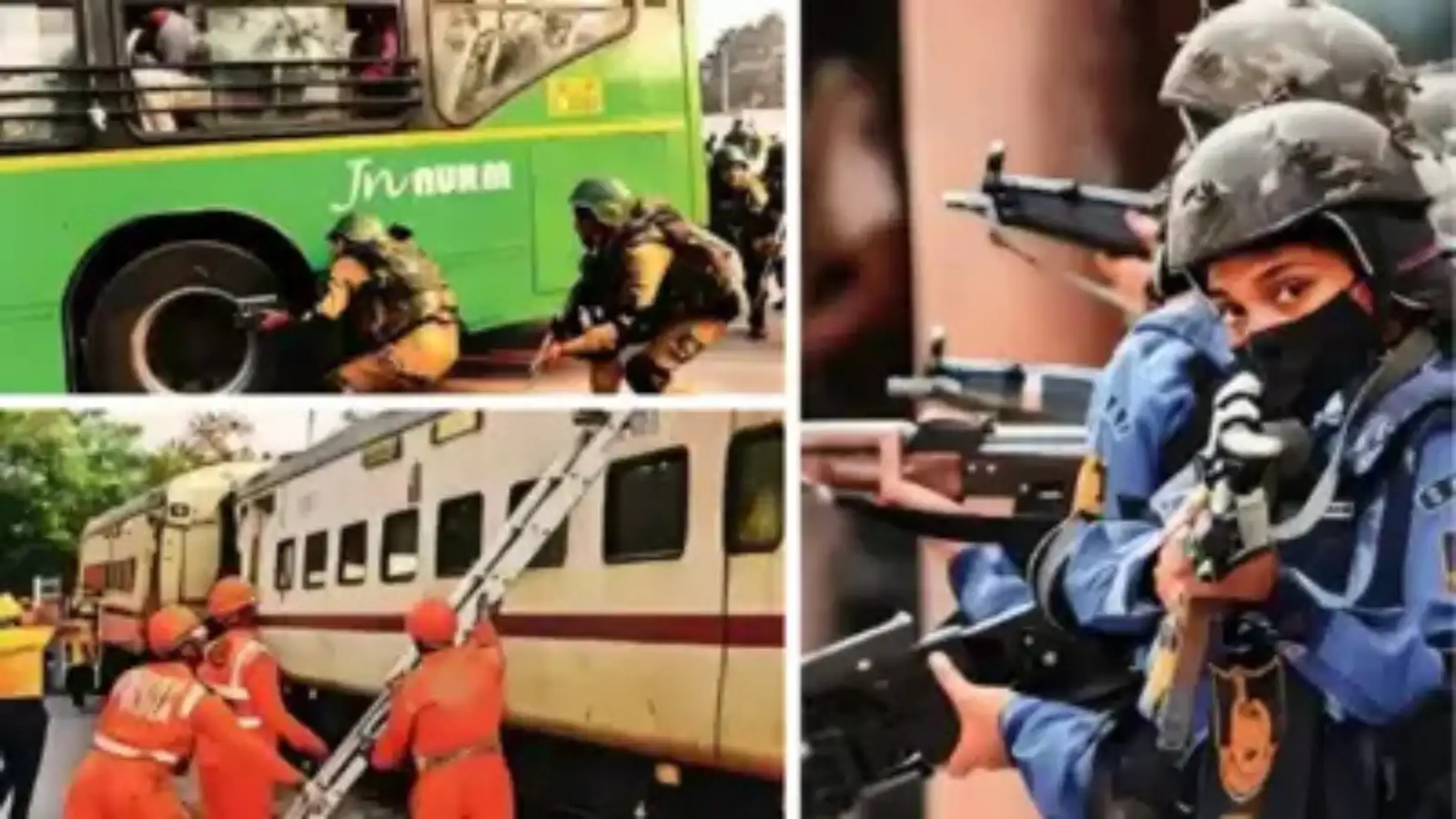
Why This Drill Now?
What Will Happen During the Drill ?
Expect a range of activities designed to simulate real-time emergency situations:
Who Will Be Involved?
This is a multi-agency drill, with participation from:
What Does It Mean for Citizens?
After the Drill: What’s Next?
Post-drill, each state and UT will submit an Action Taken Report, outlining:
These insights will help strengthen India’s civil defence capabilities and refine strategies to minimize panic, confusion, and casualties in real emergencies.
This isn't just a routine drill - it's a rehearsal for reality. By involving both the authorities and citizens, the government aims to foster a culture of preparedness that can save lives during crises. So when the sirens go off on May 7, remember: it’s practice today for protection tomorrow.
Why This Drill Now?
- The nationwide drill follows the April 22 terror attack in south Kashmir, which claimed 26 lives, mostly tourists.
- Prime Minister Modi has vowed swift retribution and the Ministry of Home Affairs (MHA) has stepped up national defence readiness.
- The drill isn't just symbolic - it's a strategic response to evolving security threats, including possible aerial or missile strikes.
- As part of this strategy, 244 districts across states and Union Territories have been directed to hold drills under the Civil Defence Rules, 1968.
What Will Happen During the Drill ?
Expect a range of activities designed to simulate real-time emergency situations:
- Air Raid Sirens: To test alert systems for aerial threats.
- Blackout Protocols: Temporary power cuts to mimic wartime stealth operations.
- Bunker Inspections: Safety checks on shelters and trenches.
- Evacuation Rehearsals: Moving people from high-risk zones to safe areas.
- Communication Drills: Ensuring secure lines with the Indian Air Force.
- Civic Training: Volunteers, students, and home guards will learn first aid, fire-fighting, and how to use emergency shelters.
- Camouflage Exercises: Preparing to conceal critical infrastructure.
- Shadow Command Rooms: Testing backup control centres in case of major attacks.
Who Will Be Involved?
This is a multi-agency drill, with participation from:
- District authorities and police forces
- Home Guards, NCC cadets, NSS & NYKS volunteers
- School and college students
- Indian Armed Forces in coordination roles
- Community centres and local bodies organizing awareness sessions
What Does It Mean for Citizens?
- You might notice temporary disruptions such as traffic diversions, power cuts, or mobile signal suspension.
- Police and paramilitary personnel may simulate combat-like scenarios in certain areas.
- Citizens are advised to stay calm, avoid rumours, and follow official instructions.
- Keep basic supplies handy - water, medicines, torchlights - and rely only on government updates.
After the Drill: What’s Next?
Post-drill, each state and UT will submit an Action Taken Report, outlining: - What worked
- What didn’t
- Recommendations for future improvement
These insights will help strengthen India’s civil defence capabilities and refine strategies to minimize panic, confusion, and casualties in real emergencies.
This isn't just a routine drill - it's a rehearsal for reality. By involving both the authorities and citizens, the government aims to foster a culture of preparedness that can save lives during crises. So when the sirens go off on May 7, remember: it’s practice today for protection tomorrow.
Next Story