
Indus Waters Dispute: Pakistan Requests India to Reconsider Treaty Withdrawal

Pakistan has asked India to review its decision to suspend the Indus Waters Treaty (IWT), stressing that millions rely on the water governed by the 1960 agreement. The appeal, reported by The Times of India, came in a letter from Syed Ali Murtaza, Pakistan’s secretary of water resources, to Debashree Mukherjee, his counterpart in India’s Jal Shakti ministry.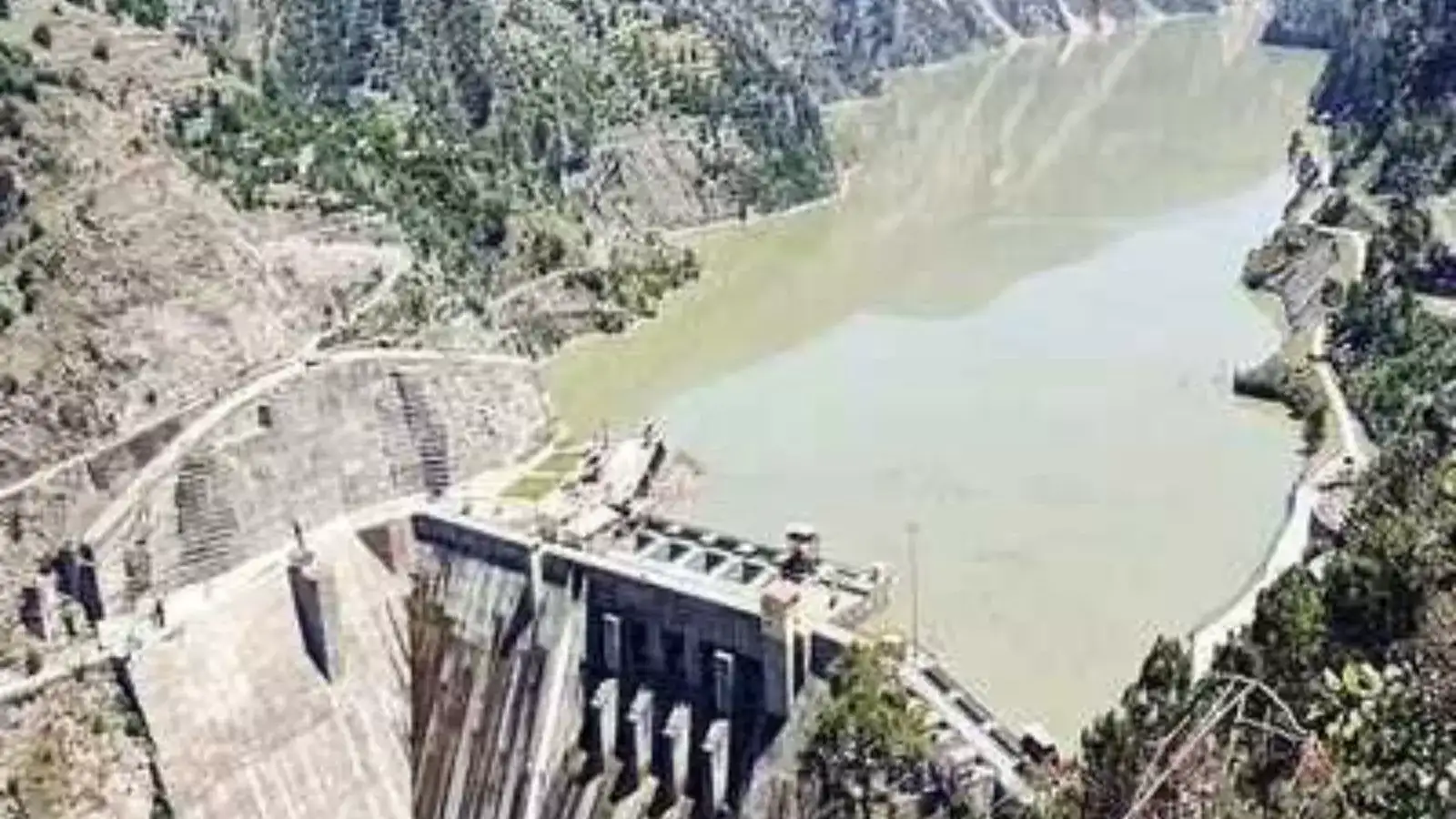
However, the message was far from diplomatic. Pakistan called India’s move “unilateral and illegal” and “equivalent to an attack on the people of Pakistan and its economy”.
The letter was reportedly handed over during the recently concluded Operation Sindoor , though India has chosen not to officially respond. Government sources, however, indicate the appeal is unlikely to reverse the decision taken by India’s Cabinet Committee on Security on April 23. The suspension followed the killing of tourists in Pahalgam, an incident that deeply strained bilateral relations.
India stands firm on its stance, pointing to Prime Minister Narendra Modi’s powerful statement: “Blood and water cannot flow together.” Officials also dismissed Pakistan’s claims, saying the move to suspend the treaty is within India’s rights and not illegal.
India’s recent actions have highlighted the strain on the Indus Waters Treaty, with sources telling TOI that the threshold for reconsideration has been reached due to Pakistan’s continued use of terrorism as a tool against India.
“The treaty was negotiated in a spirit of goodwill and good neighbourliness. That is why we persisted with it despite the fact that it was flawed and loaded against India. However, Pakistan’s refusal to rein in the terrorists has knocked the very premise underpinning the treaty,” said a senior source to TOI.
Sources added that changing climate conditions and evolving ground realities also warrant a fresh evaluation of the dams and related infrastructure. These factors contribute to the “change of circumstances” clause in the treaty, reinforcing India's position.
In recent days, India conducted flushing and desilting operations at the Baglihar and Salal hydropower projects on the Chenab River in Jammu & Kashmir. This led to disruptions and irregularities in water flow downstream.
Since the suspension of the treaty, India is no longer obliged to share data with Pakistan regarding these operations. As a result, Pakistan is grappling with irregular water flow just ahead of the critical sowing season.
However, the message was far from diplomatic. Pakistan called India’s move “unilateral and illegal” and “equivalent to an attack on the people of Pakistan and its economy”.
The letter was reportedly handed over during the recently concluded Operation Sindoor , though India has chosen not to officially respond. Government sources, however, indicate the appeal is unlikely to reverse the decision taken by India’s Cabinet Committee on Security on April 23. The suspension followed the killing of tourists in Pahalgam, an incident that deeply strained bilateral relations.
India stands firm on its stance, pointing to Prime Minister Narendra Modi’s powerful statement: “Blood and water cannot flow together.” Officials also dismissed Pakistan’s claims, saying the move to suspend the treaty is within India’s rights and not illegal.
India’s recent actions have highlighted the strain on the Indus Waters Treaty, with sources telling TOI that the threshold for reconsideration has been reached due to Pakistan’s continued use of terrorism as a tool against India.
“The treaty was negotiated in a spirit of goodwill and good neighbourliness. That is why we persisted with it despite the fact that it was flawed and loaded against India. However, Pakistan’s refusal to rein in the terrorists has knocked the very premise underpinning the treaty,” said a senior source to TOI.
Sources added that changing climate conditions and evolving ground realities also warrant a fresh evaluation of the dams and related infrastructure. These factors contribute to the “change of circumstances” clause in the treaty, reinforcing India's position.
In recent days, India conducted flushing and desilting operations at the Baglihar and Salal hydropower projects on the Chenab River in Jammu & Kashmir. This led to disruptions and irregularities in water flow downstream.
Since the suspension of the treaty, India is no longer obliged to share data with Pakistan regarding these operations. As a result, Pakistan is grappling with irregular water flow just ahead of the critical sowing season.
Next Story