
ECI Internal Rift Over SIR: Sandhu, Joshi Record 14 Objections in 10 Months

A major political storm has erupted across the country following revelations of severe internal division within the Election Commission of India (ECI). An investigative report has exposed that two Election Commissioners repeatedly objected to key administrative and technical decisions pushed through without their consent or knowledge.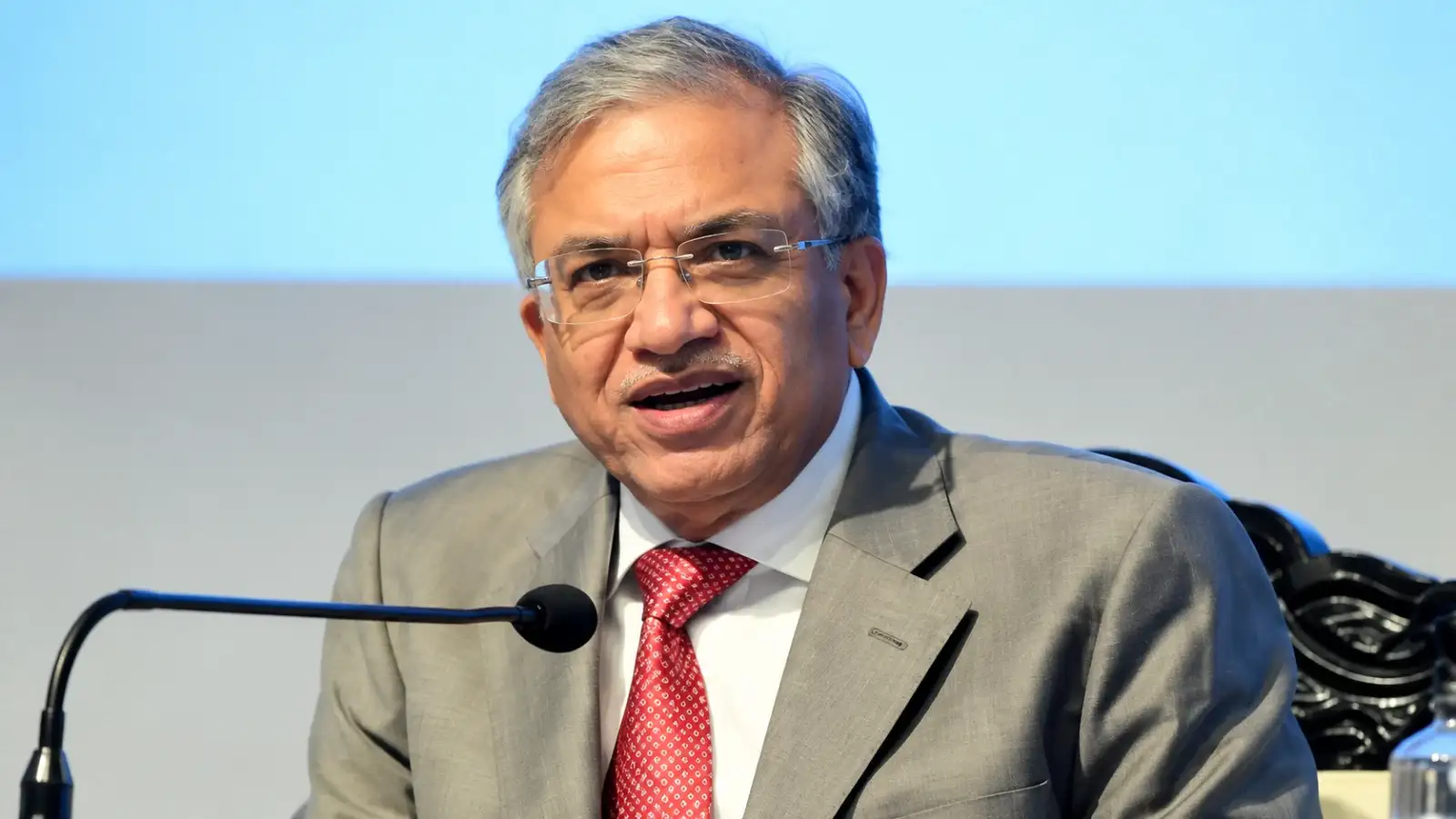
The report revealed that Election Commissioners Sukhbir Singh Sandhu and Vivek Joshi formally registered their dissent on record at least 14 times over a ten-month period. The objections centered on the controversial Special Intensive Revision (SIR) exercise, which has led to the removal of millions of voters from the draft electoral rolls. The dissenting commissioners raised serious alarms over arbitrary changes to voter registration protocols, the centralisation of electoral database management, and the overriding of local electoral officers.
The situation escalated to an unprecedented constitutional friction when the two commissioners approached Cabinet Secretary T.V. Somanathan. They complained about administrative orders that bypassed standard oversight and concentrated control over the Commission's critical IT systems in New Delhi.
Concerns were also raised regarding the centralisation of the ERONet and ECINet software frameworks. Opposing commissioners argued that centralizing digital controls stripped local Electoral Registration Officers (EROs) of their statutory powers, resulting in technical errors and the erroneous removal of eligible citizens.
The Supreme Court of India has already stepped in regarding execution flaws during the SIR drive. In response to massive deletions and notice issuances affecting lakhs of residents in regions such as Delhi and West Bengal, the apex court previously ordered judicial oversight and special tribunals to review disputed voter exclusions.
While sources within the Election Commission have asserted that decisions are taken in accordance with established rules, the public disclosure of continuous, documented dissent among the panel’s top leadership has intensified scrutiny on the fairness and transparency of India's electoral machinery.
The report revealed that Election Commissioners Sukhbir Singh Sandhu and Vivek Joshi formally registered their dissent on record at least 14 times over a ten-month period. The objections centered on the controversial Special Intensive Revision (SIR) exercise, which has led to the removal of millions of voters from the draft electoral rolls. The dissenting commissioners raised serious alarms over arbitrary changes to voter registration protocols, the centralisation of electoral database management, and the overriding of local electoral officers.
The situation escalated to an unprecedented constitutional friction when the two commissioners approached Cabinet Secretary T.V. Somanathan. They complained about administrative orders that bypassed standard oversight and concentrated control over the Commission's critical IT systems in New Delhi.
Opposition Unites in Sharp Attack
The revelations have triggered immediate, fierce backlash from opposition parties, who accused Chief Election Commissioner (CEC) Gyanesh Kumar of turning the independent constitutional body into a centralized, single-person operation.- Congress Party: Senior leaders expressed deep concern over the integrity of the electoral process. Congress General Secretary Jairam Ramesh announced that the party would hold detailed briefings regarding the revelations. Party leader Gaurav Gogoi criticized the current legal framework that protects the Chief Election Commissioner from civil or criminal liability, calling it unconstitutional and demanding judicial intervention.
- Cockroach Janta Party: Founder Abhijeet Dipke launched a scathing attack on X (formerly Twitter), pointing out that more than 12 crore names representing roughly 12.4% of the nation's 97-crore electorate have been struck off draft rolls during the SIR drive. He noted that such a massive reduction far exceeds the thin margin separating the ruling coalition and opposition in recent elections, alleging deliberate manipulation of the electoral rolls.
- Trinamool Congress (TMC): MP Sagarika Ghose called the findings alarming, questioning the authority under which crores of citizens were being disenfranchised without proper collective approval or democratic oversight.
- Shiv Sena (UBT): MP Sanjay Raut warned of strict legal accountability for those compromising the sanctity of the electoral system.
- CPI(M): MP John Brittas described the centralisation as a blow to democracy, urging Parliament to initiate impeachment proceedings against the CEC and asking the Supreme Court to halt the SIR process.
- Aam Aadmi Party (AAP): Leader Saurabh Bharadwaj urged all opposition forces to prioritize the protection of voting rights and demand complete transparency from the poll panel.
Growing Discontent and Legal Hurdles
The internal rift brings to light mounting technical and operational issues surrounding the SIR process. Commissioners Sandhu and Joshi specifically challenged unauthorized modifications to Form 6, the statutory document used for new voter registrations. The modifications required applicants to confirm whether their families appeared in earlier revision lists, a condition flagged by Commissioner Sandhu as legally invalid.Concerns were also raised regarding the centralisation of the ERONet and ECINet software frameworks. Opposing commissioners argued that centralizing digital controls stripped local Electoral Registration Officers (EROs) of their statutory powers, resulting in technical errors and the erroneous removal of eligible citizens.
The Supreme Court of India has already stepped in regarding execution flaws during the SIR drive. In response to massive deletions and notice issuances affecting lakhs of residents in regions such as Delhi and West Bengal, the apex court previously ordered judicial oversight and special tribunals to review disputed voter exclusions.
While sources within the Election Commission have asserted that decisions are taken in accordance with established rules, the public disclosure of continuous, documented dissent among the panel’s top leadership has intensified scrutiny on the fairness and transparency of India's electoral machinery.
Next Story