
Kerala Is Now ‘Keralam’: A Small Change In Name, A Larger Sense Of Identity

After nearly two years of waiting, the Centre has cleared Kerala’s request to officially adopt the name “Keralam.” For most people in the state, the word isn’t new. It’s how they’ve referred to their home in Malayalam for generations.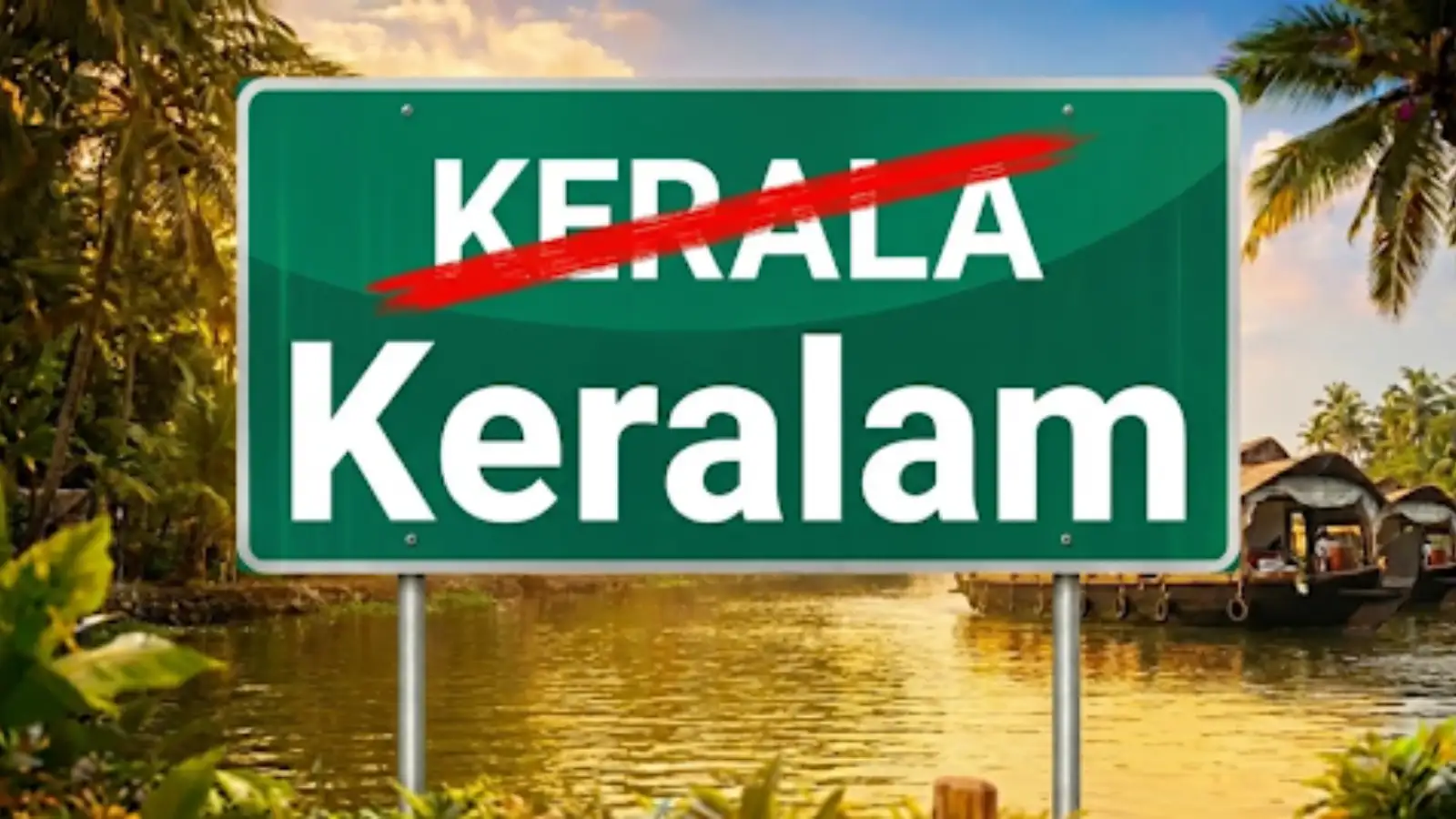
But seeing it enter formal, constitutional use is different. It makes the familiar official.
Not a Reinvention - A Restoration
The Kerala Assembly first passed the resolution in 2023, arguing that the English version “Kerala” did not fully reflect the state’s linguistic identity. “Keralam,” in Malayalam, feels closer to how the name is spoken and understood locally.
Supporters of the move say this isn’t about rewriting history. It’s about aligning official language with lived language.
In everyday conversation, both versions have long coexisted. The change simply gives one of them constitutional backing.
What Actually Changes?
Practically speaking, life won’t look different tomorrow. Road signs won’t suddenly change overnight. Schools, offices and businesses are unlikely to feel an immediate shift.
The change will unfold gradually in central records, constitutional references, official documentation and government correspondence. Over time, “Keralam” will replace “Kerala” in formal usage.
Part of a Larger Pattern
India has seen similar updates before. Cities and states have adjusted official names to better match regional pronunciation or historical identity. These decisions often spark brief national conversations, then quietly settle into normalcy.
The move to “Keralam” fits into that broader pattern - less dramatic upheaval, more cultural alignment.
Why It Resonates
Names carry weight. They shape how a place introduces itself, how it appears in textbooks, on passports, in official letters. Even when daily life remains unchanged, the symbolic shift can matter deeply to those who speak the language.
For many Malayalis, “Keralam” feels like the state describing itself in its own voice. And sometimes, that quiet shift - from translation to authenticity - is the point.
But seeing it enter formal, constitutional use is different. It makes the familiar official.
Not a Reinvention - A Restoration
The Kerala Assembly first passed the resolution in 2023, arguing that the English version “Kerala” did not fully reflect the state’s linguistic identity. “Keralam,” in Malayalam, feels closer to how the name is spoken and understood locally.Supporters of the move say this isn’t about rewriting history. It’s about aligning official language with lived language.
In everyday conversation, both versions have long coexisted. The change simply gives one of them constitutional backing.
You may also like
 DGCA announces new stringent safety mandates; NSOPs to disclose critical info on websites, safety ranking on anvil
 Complete transparency in implementing development funds: Meghalaya CM
- US consumer confidence improves in February
- PGTI NexGen 2026: Chahal, Raghuvanshi, Santosh Kumar in joint three-way lead on Day One
- Low energy, pale skin, hair fall? Doctors say this common nutrient deficiency could be the real reason behind your everyday problems
What Actually Changes?
Practically speaking, life won’t look different tomorrow. Road signs won’t suddenly change overnight. Schools, offices and businesses are unlikely to feel an immediate shift. The change will unfold gradually in central records, constitutional references, official documentation and government correspondence. Over time, “Keralam” will replace “Kerala” in formal usage.
Part of a Larger Pattern
India has seen similar updates before. Cities and states have adjusted official names to better match regional pronunciation or historical identity. These decisions often spark brief national conversations, then quietly settle into normalcy. The move to “Keralam” fits into that broader pattern - less dramatic upheaval, more cultural alignment.
Why It Resonates
Names carry weight. They shape how a place introduces itself, how it appears in textbooks, on passports, in official letters. Even when daily life remains unchanged, the symbolic shift can matter deeply to those who speak the language. For many Malayalis, “Keralam” feels like the state describing itself in its own voice. And sometimes, that quiet shift - from translation to authenticity - is the point.






More from our partners


Loving Newspoint? Download the app now
