
Kerala Will Now Be Officially Called Keralam: What You Need To Know

In a significant political and cultural development, the Union Cabinet has approved the proposal to rename Kerala as Keralam, aligning the state’s official name with its Malayalam pronunciation and historical identity. The decision comes months ahead of the Kerala Assembly elections, adding further significance to the timing of the move.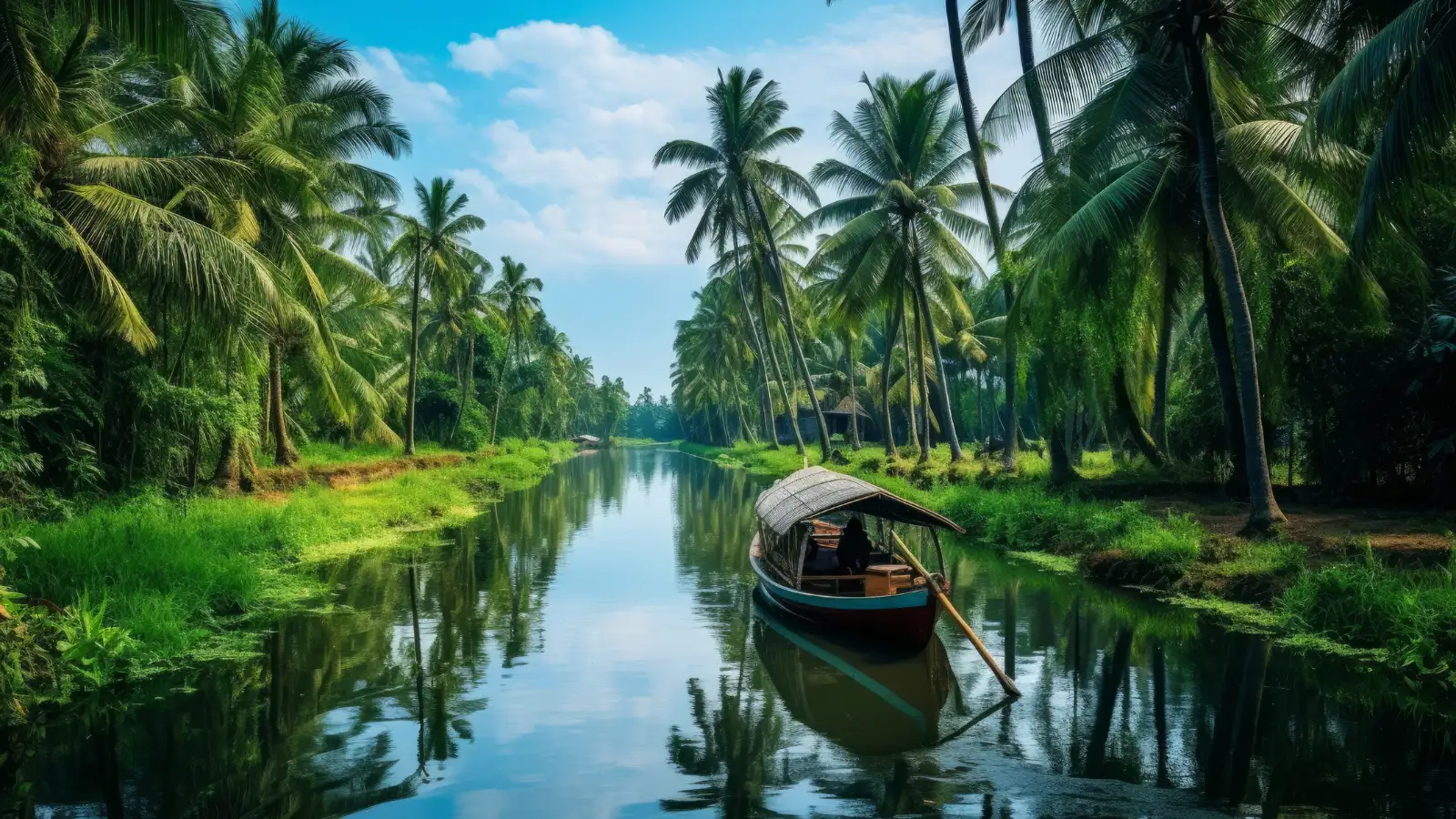
The Kerala Assembly had unanimously passed a resolution in June 2024 for the second time urging the Centre to officially change the state’s name to Keralam. The earlier proposal was returned for technical modifications to ensure clarity and constitutional compliance. After incorporating the suggested changes, the revised resolution was once again adopted and forwarded to the Union government.
Chief Minister Pinarayi Vijayan emphasised that the name “Keralam” is deeply rooted in the state’s linguistic and cultural heritage. In Malayalam, the state has always been referred to as Keralam, and the demand reflects a long-standing aspiration tied to the formation of a unified Malayalam-speaking region during India’s freedom struggle. Currently, the name “Kerala” appears in the First Schedule of the Constitution of India.
The state government has requested that the amendment be carried out under Article 3 of the Constitution, ensuring the name change to Keralam is reflected in all languages listed in the Eighth Schedule. This means the revised name would be uniformly recognised across official documents and constitutional references.
The approval reportedly came during a Union Cabinet meeting held at Prime Minister Narendra Modi’s new office at Seva Teerth in Delhi. This marked the first Cabinet session at the new venue.
The Kerala name change to Keralam is not merely symbolic. Supporters argue it reinforces cultural identity and linguistic pride, similar to other Indian states that have restored indigenous names over the years. While administrative formalities will follow, the decision signals a strong assertion of regional heritage within the constitutional framework.
As the process moves forward, Keralam may soon become the official identity of the southern state, reflecting both its historical roots and contemporary aspirations.
The Kerala Assembly had unanimously passed a resolution in June 2024 for the second time urging the Centre to officially change the state’s name to Keralam. The earlier proposal was returned for technical modifications to ensure clarity and constitutional compliance. After incorporating the suggested changes, the revised resolution was once again adopted and forwarded to the Union government.
Chief Minister Pinarayi Vijayan emphasised that the name “Keralam” is deeply rooted in the state’s linguistic and cultural heritage. In Malayalam, the state has always been referred to as Keralam, and the demand reflects a long-standing aspiration tied to the formation of a unified Malayalam-speaking region during India’s freedom struggle. Currently, the name “Kerala” appears in the First Schedule of the Constitution of India.
The state government has requested that the amendment be carried out under Article 3 of the Constitution, ensuring the name change to Keralam is reflected in all languages listed in the Eighth Schedule. This means the revised name would be uniformly recognised across official documents and constitutional references.
The approval reportedly came during a Union Cabinet meeting held at Prime Minister Narendra Modi’s new office at Seva Teerth in Delhi. This marked the first Cabinet session at the new venue.
The Kerala name change to Keralam is not merely symbolic. Supporters argue it reinforces cultural identity and linguistic pride, similar to other Indian states that have restored indigenous names over the years. While administrative formalities will follow, the decision signals a strong assertion of regional heritage within the constitutional framework.
As the process moves forward, Keralam may soon become the official identity of the southern state, reflecting both its historical roots and contemporary aspirations.
Next Story