
Which Place Is Known as Little Iran in India? The Story Behind This Unique Iranian Community

Little Iran in India is not a place in the Middle East but a small neighbourhood in the eastern state of Bihar. The town of Kishanganj has earned this unusual nickname because it is home to a distinct community with Persian roots. Over decades, this group has preserved many elements of their heritage while becoming an integral part of Indian society.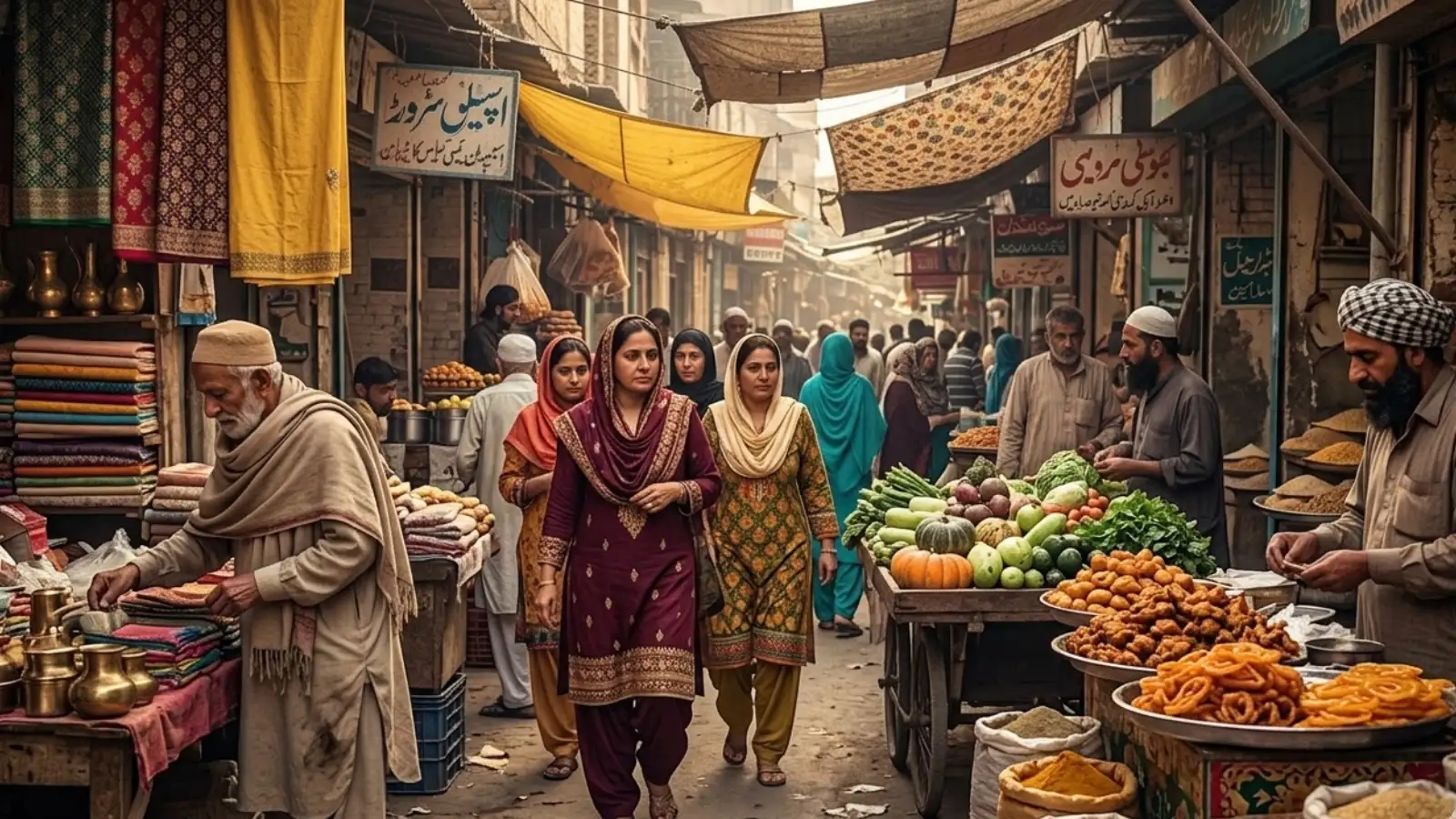
Ancient India–Persia Trade Connections
The historical relationship between India and Iran—formerly known as Persia—goes back centuries. Traders travelled between the two regions through sea routes across the Arabian Sea and land routes passing through Central Asia.
During the era of the Mughal Empire, movement between the two regions increased further. Merchants, travellers and craftsmen frequently visited India, and some eventually settled permanently in different parts of the country.
Kishanganj: The Place Known as Little Iran in India
A small but distinctive Iranian-origin community lives in Kishanganj, located in Bihar. Their neighbourhoods are locally called Irani Bastis, and many families reside around the Motibagh Karbala area.
Most members of this community follow Shia Islam and trace their ancestry to migrants who travelled from Persia generations ago. Because of this deep-rooted cultural connection, locals often refer to the area as “Little Iran.”
Migration Story: From Nomadic Traders to Settled Residents
According to reports from the Azad India Foundation, many families of this community arrived in Kishanganj in the early 1980s after moving from nearby Purnia in Bihar.
Their early lifestyle was quite different from today:
As time passed, their occupations expanded. The community gradually began trading in knives, glass frames, and other goods, and many members are now involved in the gemstone business, sourcing stones from major cities like Kolkata and Jaipur.
A Unique Blend of Persian and Indian Identity
Although they maintain their Persian heritage, the Iranian-origin residents of Kishanganj strongly identify themselves as Indians. Their lives reflect a cultural blend shaped by generations of adaptation.
Key aspects of their identity include:
This combination of cultural preservation and local integration has helped the community maintain its identity while becoming part of the region’s social fabric.
Distinct Food Culture: A Fusion of Persian and Bihari Flavours
Food is another area where the Persian connection remains visible. Their cuisine combines Bihari ingredients with Persian-style cooking techniques.
Common features of their meals include:
This fusion gives their food a flavour profile that is quite different from the typical local cuisine.
Recent Challenges Faced by the Community
Despite living in the region for decades, the Irani-origin residents of Kishanganj recently faced legal challenges. Ahead of the Bihar Assembly Elections, nearly 30 members of the community reportedly received notices asking them to prove their citizenship during the Special Intensive Revision (SIR) of the voter list.
For many families whose ancestors had been registered voters for years, the notices came as a shock. The situation highlighted the difficulties minority communities can sometimes face despite long-standing roots in the country.
Why Kishanganj Is Called Little Iran in India
In simple terms, Kishanganj in Bihar is known as “Little Iran in India” because of its small but culturally rich Iranian-origin population. Their presence reflects centuries-old connections between India and Persia and showcases how migration, trade and culture can blend to create unique communities.
Today, the Irani bastis of Kishanganj stand as a fascinating example of cultural coexistence, historical migration and shared heritage between India and Iran.
Ancient India–Persia Trade Connections
The historical relationship between India and Iran—formerly known as Persia—goes back centuries. Traders travelled between the two regions through sea routes across the Arabian Sea and land routes passing through Central Asia.
- Indian merchants exported spices, textiles and pearls.
- Persian traders brought precious metals and other luxury goods.
- Cultural exchanges developed alongside trade relations.
During the era of the Mughal Empire, movement between the two regions increased further. Merchants, travellers and craftsmen frequently visited India, and some eventually settled permanently in different parts of the country.
Kishanganj: The Place Known as Little Iran in India
A small but distinctive Iranian-origin community lives in Kishanganj, located in Bihar. Their neighbourhoods are locally called Irani Bastis, and many families reside around the Motibagh Karbala area.
Most members of this community follow Shia Islam and trace their ancestry to migrants who travelled from Persia generations ago. Because of this deep-rooted cultural connection, locals often refer to the area as “Little Iran.”
Migration Story: From Nomadic Traders to Settled Residents
According to reports from the Azad India Foundation, many families of this community arrived in Kishanganj in the early 1980s after moving from nearby Purnia in Bihar.
Their early lifestyle was quite different from today:
- They travelled in khafilas (caravans).
- Temporary shelters called khemas (tents) were set up during journeys.
- They mainly traded horses at fairs and festivals or sold them to wealthy landlords.
As time passed, their occupations expanded. The community gradually began trading in knives, glass frames, and other goods, and many members are now involved in the gemstone business, sourcing stones from major cities like Kolkata and Jaipur.
A Unique Blend of Persian and Indian Identity
Although they maintain their Persian heritage, the Iranian-origin residents of Kishanganj strongly identify themselves as Indians. Their lives reflect a cultural blend shaped by generations of adaptation.
You may also like
- Karnataka: Mandya Court evacuated after receiving bomb threat, investigation ongoing
- Telangana: 2 apprehended for manufacturing, selling adulterated ginger paste in Mailardevpally
- Delhi: LPG supply concerns trigger spike in induction cooktop sales
- Govt 'bartered' to US India's right to determine its ties with oil suppliers: Rahul Gandhi
- KTR warns of business closures, writes to Petroleum Minister Hardeep Puri over LPG supply crisis
Key aspects of their identity include:
- Language: A Persian dialect mixed with Hindi and Urdu
- Customs: Traditional marriage ceremonies and communal celebrations
- Community bonds: Marriages often arranged within the group to maintain social continuity
This combination of cultural preservation and local integration has helped the community maintain its identity while becoming part of the region’s social fabric.
Distinct Food Culture: A Fusion of Persian and Bihari Flavours
Food is another area where the Persian connection remains visible. Their cuisine combines Bihari ingredients with Persian-style cooking techniques.
Common features of their meals include:
- A strong preference for meat-based dishes
- Use of aromatic spices
- Cooking methods influenced by Persian culinary traditions
This fusion gives their food a flavour profile that is quite different from the typical local cuisine.
Recent Challenges Faced by the Community
Despite living in the region for decades, the Irani-origin residents of Kishanganj recently faced legal challenges. Ahead of the Bihar Assembly Elections, nearly 30 members of the community reportedly received notices asking them to prove their citizenship during the Special Intensive Revision (SIR) of the voter list.
For many families whose ancestors had been registered voters for years, the notices came as a shock. The situation highlighted the difficulties minority communities can sometimes face despite long-standing roots in the country.
Why Kishanganj Is Called Little Iran in India
In simple terms, Kishanganj in Bihar is known as “Little Iran in India” because of its small but culturally rich Iranian-origin population. Their presence reflects centuries-old connections between India and Persia and showcases how migration, trade and culture can blend to create unique communities.
Today, the Irani bastis of Kishanganj stand as a fascinating example of cultural coexistence, historical migration and shared heritage between India and Iran.






More from our partners


Loving Newspoint? Download the app now
