
Modi’s Surprise Gesture in Siliguri: Apologises to Couple After Wedding Disruption

In a rare but humanising moment during a high security visit of Prime Minister Narendra Modi to Siliguri, he was seen apologising to a newlywed couple after his rally inadvertently disrupted their wedding celebrations which grabbed the attention of many netizens.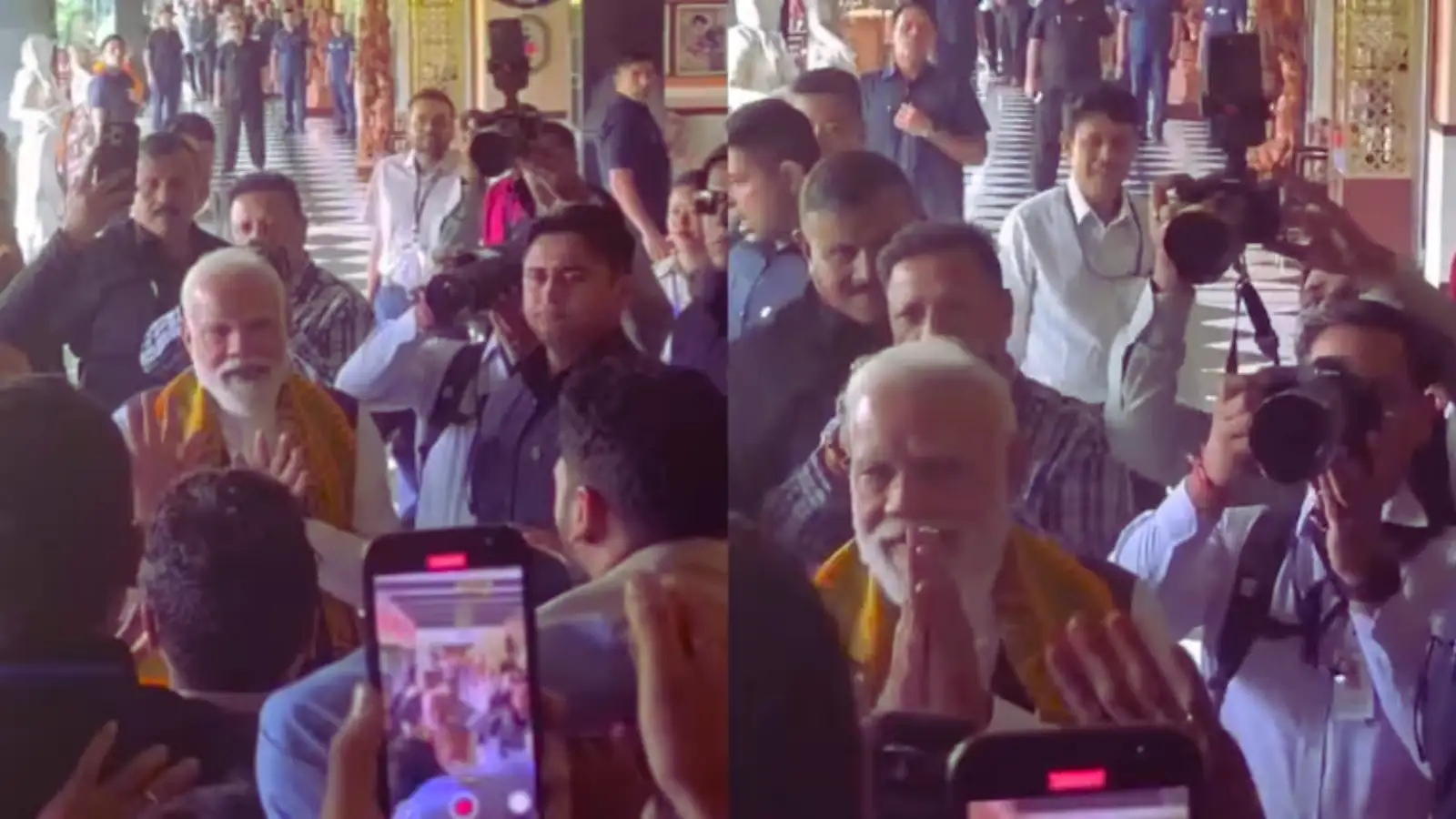
The Prime Minister was in Siliguri as part of a scheduled public rally, where extensive security measures were put in place to manage crowd movement and ensure safety. However, these arrangements led to restricted access and logistical challenges in the vicinity affecting a wedding taking place nearby.
According to eyewitness accounts, the couple and their families faced inconvenience due to blocked routes and heightened security checks, which delayed parts of the ceremony and caused distress among guests. In a country where weddings are deeply emotional and culturally significant events, such disruptions can have a lasting impact on families.
What stood out, however, was the Prime Minister’s response. Upon being informed of the situation, Modi reportedly made it a point to meet the couple and personally apologise for the inconvenience caused. The gesture, simple yet powerful, resonated with many who saw it as an acknowledgment of the disruption and an effort to connect on a personal level.
Videos and images of the interaction soon began circulating on social media, with many users praising the Prime Minister for his humility and willingness to address the issue directly. In an era where political leaders are often criticised for being distant, this moment was perceived by supporters as a refreshing display of empathy.
At the same time, the incident has also sparked a broader conversation about the scale and impact of security arrangements during VIP visits. Critics argue that such disruptions are not uncommon and often affect local residents, small businesses, and personal events. They suggest that better planning and coordination could minimise inconvenience to the public without compromising safety.
The Siliguri visit also carries significance in the context of upcoming political developments in West Bengal, where electoral dynamics remain highly competitive. The state continues to be a key battleground between the Bharatiya Janata Party (BJP) and the ruling All India Trinamool Congress (TMC), led by Chief Minister Mamata Banerjee.
Siliguri, located in North Bengal, is strategically important due to its geographic and political relevance. The region has often been a focus area for the BJP’s expansion efforts in the state, especially after making significant electoral gains in previous assembly and parliamentary elections. Modi’s presence here is widely seen as part of a broader strategy to consolidate support in northern districts, where the party has shown relative strength.
Political analysts suggest that moments like these where leaders directly engage with citizens in unexpected situations can contribute to shaping voter perception ahead of elections. While policy, governance, and party organisation remain central to electoral outcomes, symbolic gestures and public optics often play a supplementary role in influencing undecided voters.
At the same time, opposition parties have frequently criticised the scale of central leadership campaigns in Bengal, arguing that they sometimes disrupt normal life. Incidents like the Siliguri wedding disruption feed into that narrative, even as the Prime Minister’s apology attempts to soften the impact.
Security protocols during visits by high-ranking officials like the Prime Minister are understandably stringent, given the potential risks involved. However, balancing these requirements with the daily lives of citizens remains a complex challenge for local authorities and law enforcement agencies especially in politically sensitive states during election cycles.
For the couple at the centre of the episode, the wedding will likely be remembered not just for the unexpected disruption, but also for the unusual apology from the country’s top political leader. It transformed what could have been a purely negative experience into a memorable, if unusual, anecdote.
As the story continues to circulate, it serves as a reminder of the human side of politics where decisions and events at the highest level can ripple into personal moments on the ground. And in an election-bound atmosphere, even such brief, human interactions can carry political weight far beyond the moment itself.
The incident
The Prime Minister was in Siliguri as part of a scheduled public rally, where extensive security measures were put in place to manage crowd movement and ensure safety. However, these arrangements led to restricted access and logistical challenges in the vicinity affecting a wedding taking place nearby.
According to eyewitness accounts, the couple and their families faced inconvenience due to blocked routes and heightened security checks, which delayed parts of the ceremony and caused distress among guests. In a country where weddings are deeply emotional and culturally significant events, such disruptions can have a lasting impact on families.
What stood out, however, was the Prime Minister’s response. Upon being informed of the situation, Modi reportedly made it a point to meet the couple and personally apologise for the inconvenience caused. The gesture, simple yet powerful, resonated with many who saw it as an acknowledgment of the disruption and an effort to connect on a personal level.
Videos and images of the interaction soon began circulating on social media, with many users praising the Prime Minister for his humility and willingness to address the issue directly. In an era where political leaders are often criticised for being distant, this moment was perceived by supporters as a refreshing display of empathy.
You may also like
- Who is arrested Nashik TCS HR manager, Nida Khan?
- 'Bihar will keep moving forward': Nitish Kumar resigns as Bihar chief minister
- TN Assembly polls: VCK releases election manifesto, says "providing 50% reservation for women is our major feature"
- "Sentiment of nation... desire of Nari Shakti": PM Modi on Women's Reservation bill
- What's special about Delhi-Dehradun Expressway Modi inaugurated
At the same time, the incident has also sparked a broader conversation about the scale and impact of security arrangements during VIP visits. Critics argue that such disruptions are not uncommon and often affect local residents, small businesses, and personal events. They suggest that better planning and coordination could minimise inconvenience to the public without compromising safety.
Bengal Elections Context: Political Optics and Ground Strategy
The Siliguri visit also carries significance in the context of upcoming political developments in West Bengal, where electoral dynamics remain highly competitive. The state continues to be a key battleground between the Bharatiya Janata Party (BJP) and the ruling All India Trinamool Congress (TMC), led by Chief Minister Mamata Banerjee.
Siliguri, located in North Bengal, is strategically important due to its geographic and political relevance. The region has often been a focus area for the BJP’s expansion efforts in the state, especially after making significant electoral gains in previous assembly and parliamentary elections. Modi’s presence here is widely seen as part of a broader strategy to consolidate support in northern districts, where the party has shown relative strength.
Political analysts suggest that moments like these where leaders directly engage with citizens in unexpected situations can contribute to shaping voter perception ahead of elections. While policy, governance, and party organisation remain central to electoral outcomes, symbolic gestures and public optics often play a supplementary role in influencing undecided voters.
At the same time, opposition parties have frequently criticised the scale of central leadership campaigns in Bengal, arguing that they sometimes disrupt normal life. Incidents like the Siliguri wedding disruption feed into that narrative, even as the Prime Minister’s apology attempts to soften the impact.
Security protocols during visits by high-ranking officials like the Prime Minister are understandably stringent, given the potential risks involved. However, balancing these requirements with the daily lives of citizens remains a complex challenge for local authorities and law enforcement agencies especially in politically sensitive states during election cycles.
For the couple at the centre of the episode, the wedding will likely be remembered not just for the unexpected disruption, but also for the unusual apology from the country’s top political leader. It transformed what could have been a purely negative experience into a memorable, if unusual, anecdote.
As the story continues to circulate, it serves as a reminder of the human side of politics where decisions and events at the highest level can ripple into personal moments on the ground. And in an election-bound atmosphere, even such brief, human interactions can carry political weight far beyond the moment itself.






More from our partners


Loving Newspoint? Download the app now
