
Old Name Of Chenab River: Vedic, Epic And Greek Origins

The Chenab River is one of the most important rivers in the Indian subcontinent, known not only for its geography but also for its deep historical roots. The old name of the Chenab River reveals its connection to ancient civilisations, scriptures, and foreign travellers who documented its journey through time.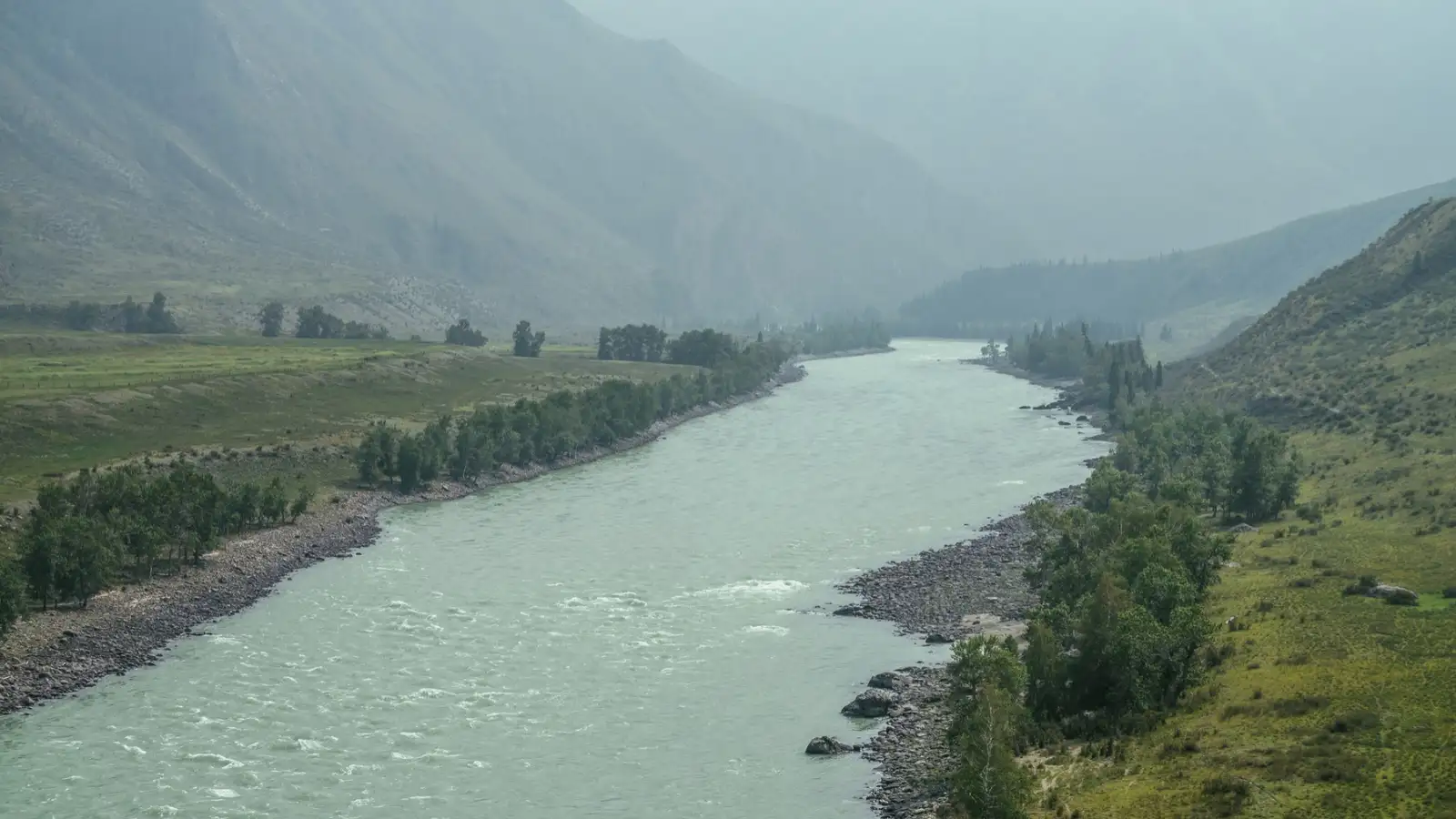
Ancient Names of the Chenab River
The old name of the Chenab River has changed across different eras, reflecting cultural and linguistic influences.
Asikni – The Vedic Name
The earliest recorded old name of the Chenab River is Asikni, mentioned in the Rigveda. The term is believed to mean “dark-coloured water,” describing the river’s appearance. This name highlights its significance in early Vedic civilisation and river worship traditions.
Chandrabhaga – The Epic Name
In ancient Indian epics like the Mahabharata, the river was called Chandrabhaga. This name comes from the merging of two rivers—Chandra and Bhaga at Tandi in Himachal Pradesh.
The name symbolises natural geography, where “Chandra” means moon and “Bhaga” refers to a stream. Over time, Chandrabhaga evolved into the modern name Chenab.
Read More: Jhelum River: The Battle Of Hydaspes And Ancient Names
Acesines – The Greek Name
During the invasion of Alexander the Great, Greek historians referred to the river as Acesines. This is a Hellenised version of Asikni, showing how the Chenab River history extended beyond India into ancient Greek records.
Origin and Course of the Chenab River
The Chenab River originates in the higher Himalayas near Baralacha Pass in Himachal Pradesh. It is formed by the confluence of the Chandra and Bhaga rivers at Tandi.
From there, the river flows through:
Eventually, it joins the Indus River system, making it one of the major rivers in South Asia.
Geographical Importance of the Chenab River
The Chenab River plays a crucial role in irrigation, hydropower generation, and agriculture. Its deep valleys and strong flow make it ideal for hydroelectric projects.
The river is also part of the Indus Waters system, highlighting its strategic and economic importance.
Interesting Facts About the Chenab River
Cultural and Historical Significance
The Chenab River history is deeply linked with Indian civilisation. Its mention in ancient scriptures, epics, and foreign accounts shows its importance across different eras.
From Vedic hymns to Greek records, the old name of the Chenab River reflects a journey through time, culture, and geography.
The old name of the Chenab River- Asikni, Chandrabhaga, and Acesines reveals its rich and layered history. More than just a river, it is a symbol of ancient heritage, geographical importance, and cultural continuity in the Indian subcontinent.
Ancient Names of the Chenab River
The old name of the Chenab River has changed across different eras, reflecting cultural and linguistic influences. Asikni – The Vedic Name
The earliest recorded old name of the Chenab River is Asikni, mentioned in the Rigveda. The term is believed to mean “dark-coloured water,” describing the river’s appearance. This name highlights its significance in early Vedic civilisation and river worship traditions.Chandrabhaga – The Epic Name
In ancient Indian epics like the Mahabharata, the river was called Chandrabhaga. This name comes from the merging of two rivers—Chandra and Bhaga at Tandi in Himachal Pradesh. The name symbolises natural geography, where “Chandra” means moon and “Bhaga” refers to a stream. Over time, Chandrabhaga evolved into the modern name Chenab.
Read More: Jhelum River: The Battle Of Hydaspes And Ancient Names
Acesines – The Greek Name
During the invasion of Alexander the Great, Greek historians referred to the river as Acesines. This is a Hellenised version of Asikni, showing how the Chenab River history extended beyond India into ancient Greek records. Origin and Course of the Chenab River
The Chenab River originates in the higher Himalayas near Baralacha Pass in Himachal Pradesh. It is formed by the confluence of the Chandra and Bhaga rivers at Tandi. From there, the river flows through:
- Himachal Pradesh
- Jammu and Kashmir
- Pakistan
Eventually, it joins the Indus River system, making it one of the major rivers in South Asia.
Geographical Importance of the Chenab River
The Chenab River plays a crucial role in irrigation, hydropower generation, and agriculture. Its deep valleys and strong flow make it ideal for hydroelectric projects.The river is also part of the Indus Waters system, highlighting its strategic and economic importance.
Interesting Facts About the Chenab River
- The old name of the Chenab River in the Rigveda is Asikni
- It is formed by the confluence of Chandra and Bhaga rivers
- The river flows through both India and Pakistan
- It is one of the five major rivers of the Punjab region
- Ancient Greeks documented it during Alexander’s campaign
Cultural and Historical Significance
The Chenab River history is deeply linked with Indian civilisation. Its mention in ancient scriptures, epics, and foreign accounts shows its importance across different eras. From Vedic hymns to Greek records, the old name of the Chenab River reflects a journey through time, culture, and geography.
The old name of the Chenab River- Asikni, Chandrabhaga, and Acesines reveals its rich and layered history. More than just a river, it is a symbol of ancient heritage, geographical importance, and cultural continuity in the Indian subcontinent.
Next Story