
Petrol, Diesel Prices Hiked by Rs 3 Per Litre: Check New Fuel Rates in Delhi, Mumbai and Kolkata

Oil companies on Friday announced a fresh hike in petrol and diesel prices, increasing fuel rates by Rs 3 per litre across the country. The latest petrol diesel price hike has pushed fuel prices higher in major metro cities, with petrol crossing the Rs 100 mark in several locations.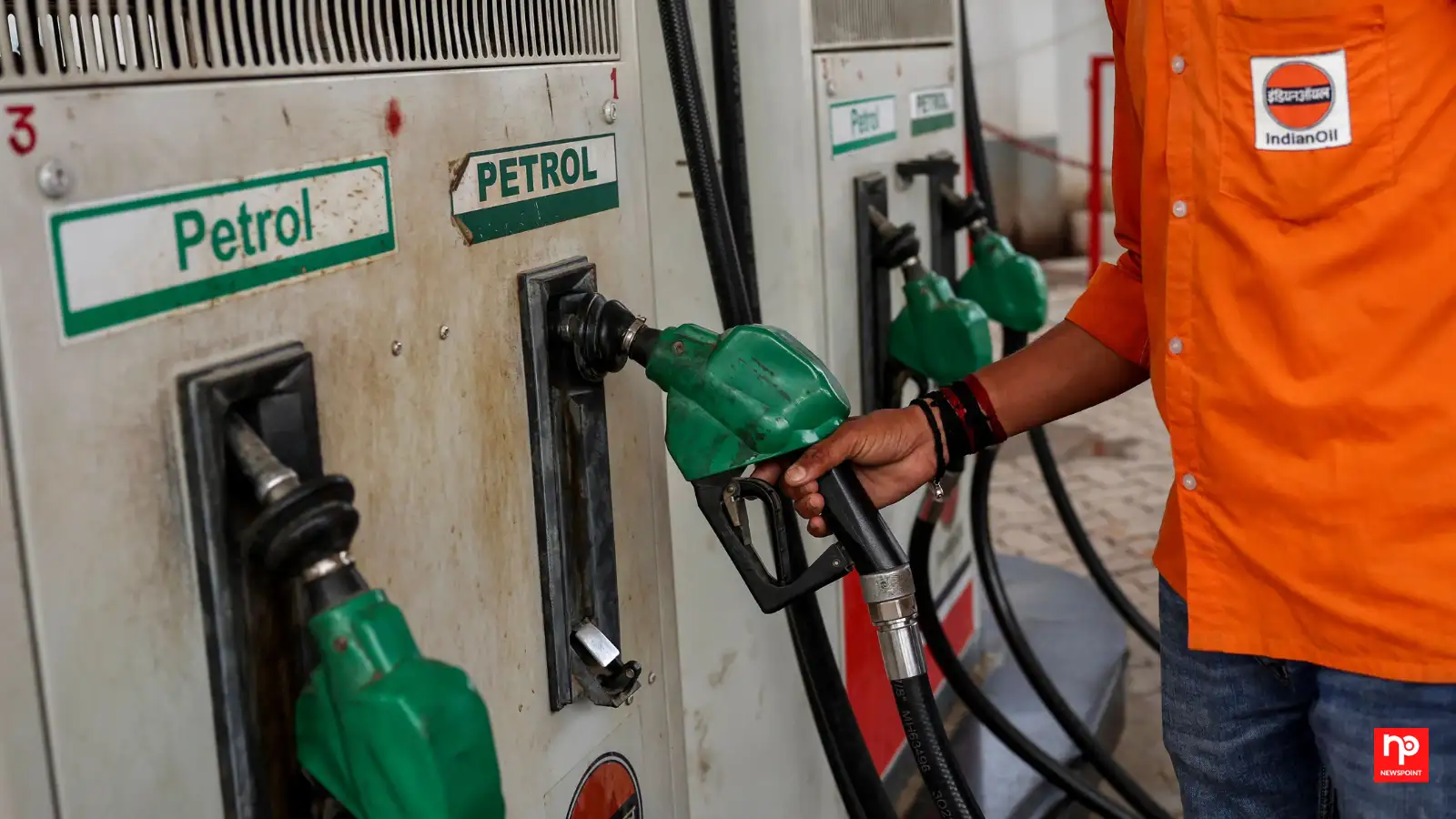
The increase comes amid rising global crude oil prices triggered by the ongoing West Asia conflict and disruptions linked to the Strait of Hormuz crisis.
Officials clarified that the latest fuel price increase is only a fraction of the actual rise needed to fully offset the sharp jump in global energy costs.
“There is no need to panic. There are sufficient supplies. There is no rationing in place. It's not going to happen,” Oil Secretary Neeraj Mittal said recently at the CII Annual Business Summit.
Officials stated that India currently maintains nearly 60 days of fuel stocks along with around 45 days of LPG inventories, even as volatility continues in international energy markets.
The latest petrol price hike has pushed rates well above Rs 100 per litre in cities like Kolkata, Mumbai, and Chennai.
In Kolkata, diesel prices increased by Rs 3.11 to Rs 95.13 per litre, while Mumbai diesel prices climbed to Rs 93.14 per litre. Chennai also saw diesel rates rise to Rs 95.25 per litre.
Public sector oil companies including Indian Oil Corporation, Bharat Petroleum Corporation Limited, and Hindustan Petroleum Corporation Limited had paused the daily fuel price revision mechanism in April 2022.
The move was intended to shield consumers from rising international crude oil prices after Russia’s invasion of Ukraine triggered a global energy shock.
However, the ongoing West Asia conflict has once again pushed global crude oil prices sharply higher, with prices reportedly rising by more than 50 percent.
India’s crude oil basket had averaged around $69 per barrel in February before the conflict intensified. In recent months, prices surged to nearly $113-114 per barrel.
To avoid sudden pressure on consumers, the government had so far relied on state-run oil marketing companies, tax adjustments, and supply management measures to absorb rising costs.
But officials now indicate that maintaining unchanged retail fuel prices for a prolonged period may no longer be financially sustainable.
At the same time, he warned that if crude oil prices continue to remain elevated while fuel prices stay unchanged, state-owned fuel retailers could suffer losses of nearly Rs 1 lakh crore within a single quarter.
Speaking at the CII Annual Business Summit, Puri said the three public sector oil retailers are collectively losing around Rs 1,000 crore every day. According to him, cumulative under-recoveries have already reached close to Rs 1.98 lakh crore.
He explained that the widening gap between international crude oil prices and domestic retail fuel prices has placed enormous financial pressure on oil marketing companies.
Speaking at a conference in Switzerland, the RBI Governor said India remains heavily dependent on imported energy and fertilisers, making the economy vulnerable to global supply disruptions.
He noted that if international crude oil prices remain elevated for a prolonged period, the government may eventually have to pass some of the higher costs on to consumers.
The appeal comes as India continues to navigate the financial and economic impact of rising global energy prices and disruptions in international oil supply chains.
With fuel prices already crossing Rs 100 per litre in several cities, consumers may continue to feel pressure if global crude oil prices remain volatile in the coming months.
The increase comes amid rising global crude oil prices triggered by the ongoing West Asia conflict and disruptions linked to the Strait of Hormuz crisis.
Officials clarified that the latest fuel price increase is only a fraction of the actual rise needed to fully offset the sharp jump in global energy costs.
Government Says There Is No Fuel Shortage
Despite growing concerns over global energy disruptions, the Centre has repeatedly assured citizens that there is no fuel shortage in India.“There is no need to panic. There are sufficient supplies. There is no rationing in place. It's not going to happen,” Oil Secretary Neeraj Mittal said recently at the CII Annual Business Summit.
Officials stated that India currently maintains nearly 60 days of fuel stocks along with around 45 days of LPG inventories, even as volatility continues in international energy markets.
Latest Petrol Prices in Major Cities
The revised petrol prices came into effect on Friday. According to ANI, petrol in Delhi now costs Rs 97.77 per litre, up from Rs 94.77 earlier.Petrol Price Hike Table
| City | New Petrol Price (Rs/Litre) | Hike (Rs) |
|---|---|---|
| Delhi | 97.77 | 3.00 |
| Kolkata | 108.74 | 3.29 |
| Mumbai | 106.68 | 3.14 |
| Chennai | 103.67 | 2.83 |
The latest petrol price hike has pushed rates well above Rs 100 per litre in cities like Kolkata, Mumbai, and Chennai.
Latest Diesel Prices in Major Cities
Diesel prices have also increased sharply across metro cities following the latest revision by oil marketing companies.Diesel Price Hike Table
| City | New Diesel Price (Rs/Litre) | Hike (Rs) |
|---|---|---|
| Delhi | 90.67 | 3.00 |
| Kolkata | 95.13 | 3.11 |
| Mumbai | 93.14 | 3.11 |
| Chennai | 95.25 | 2.86 |
In Kolkata, diesel prices increased by Rs 3.11 to Rs 95.13 per litre, while Mumbai diesel prices climbed to Rs 93.14 per litre. Chennai also saw diesel rates rise to Rs 95.25 per litre.
Why Petrol and Diesel Prices Increased
Retail fuel prices in India had remained mostly unchanged since April 2022, apart from a one-time reduction of Rs 2 per litre announced in March 2024 before the Lok Sabha elections.Public sector oil companies including Indian Oil Corporation, Bharat Petroleum Corporation Limited, and Hindustan Petroleum Corporation Limited had paused the daily fuel price revision mechanism in April 2022.
The move was intended to shield consumers from rising international crude oil prices after Russia’s invasion of Ukraine triggered a global energy shock.
However, the ongoing West Asia conflict has once again pushed global crude oil prices sharply higher, with prices reportedly rising by more than 50 percent.
India’s crude oil basket had averaged around $69 per barrel in February before the conflict intensified. In recent months, prices surged to nearly $113-114 per barrel.
India’s Dependence on Imported Crude Oil
India imports nearly 90 percent of its crude oil requirements, making the economy highly sensitive to global fuel price fluctuations.To avoid sudden pressure on consumers, the government had so far relied on state-run oil marketing companies, tax adjustments, and supply management measures to absorb rising costs.
But officials now indicate that maintaining unchanged retail fuel prices for a prolonged period may no longer be financially sustainable.
Oil Minister Warns of Massive Losses
Earlier this week, Oil Minister Hardeep Singh Puri said India currently has enough fuel reserves to avoid any immediate supply disruption despite challenges in global energy trade routes.At the same time, he warned that if crude oil prices continue to remain elevated while fuel prices stay unchanged, state-owned fuel retailers could suffer losses of nearly Rs 1 lakh crore within a single quarter.
You may also like
- CBI probes NEET-UG paper leak affecting 2.2 million students
- Centre hikes petrol, diesel prices by Rs 3 per litre each
- Mumbai to see 10% water supply cut from May 15
- "Had Vijay campaigned for six months, DMK would not have even won five seats": TVK's Aadhav Arjuna
- Punjab Police arrest 2 men after Jalandhar BSF IED blast
Speaking at the CII Annual Business Summit, Puri said the three public sector oil retailers are collectively losing around Rs 1,000 crore every day. According to him, cumulative under-recoveries have already reached close to Rs 1.98 lakh crore.
He explained that the widening gap between international crude oil prices and domestic retail fuel prices has placed enormous financial pressure on oil marketing companies.
RBI Governor Signals Possible Further Fuel Price Revisions
Sanjay Malhotra also recently indicated that petrol and diesel prices may need further revision if the West Asia crisis continues for an extended period.Speaking at a conference in Switzerland, the RBI Governor said India remains heavily dependent on imported energy and fertilisers, making the economy vulnerable to global supply disruptions.
He noted that if international crude oil prices remain elevated for a prolonged period, the government may eventually have to pass some of the higher costs on to consumers.
PM Modi Urges Citizens to Cut Fuel Consumption
Meanwhile, Prime Minister Narendra Modi has urged citizens to reduce fuel consumption and adopt austerity measures to help conserve foreign exchange reserves.The appeal comes as India continues to navigate the financial and economic impact of rising global energy prices and disruptions in international oil supply chains.
What the Fuel Price Hike Means for Consumers
The latest petrol diesel price hike is expected to increase transportation costs and could potentially impact household budgets across the country.With fuel prices already crossing Rs 100 per litre in several cities, consumers may continue to feel pressure if global crude oil prices remain volatile in the coming months.






More from our partners


Loving Newspoint? Download the app now
